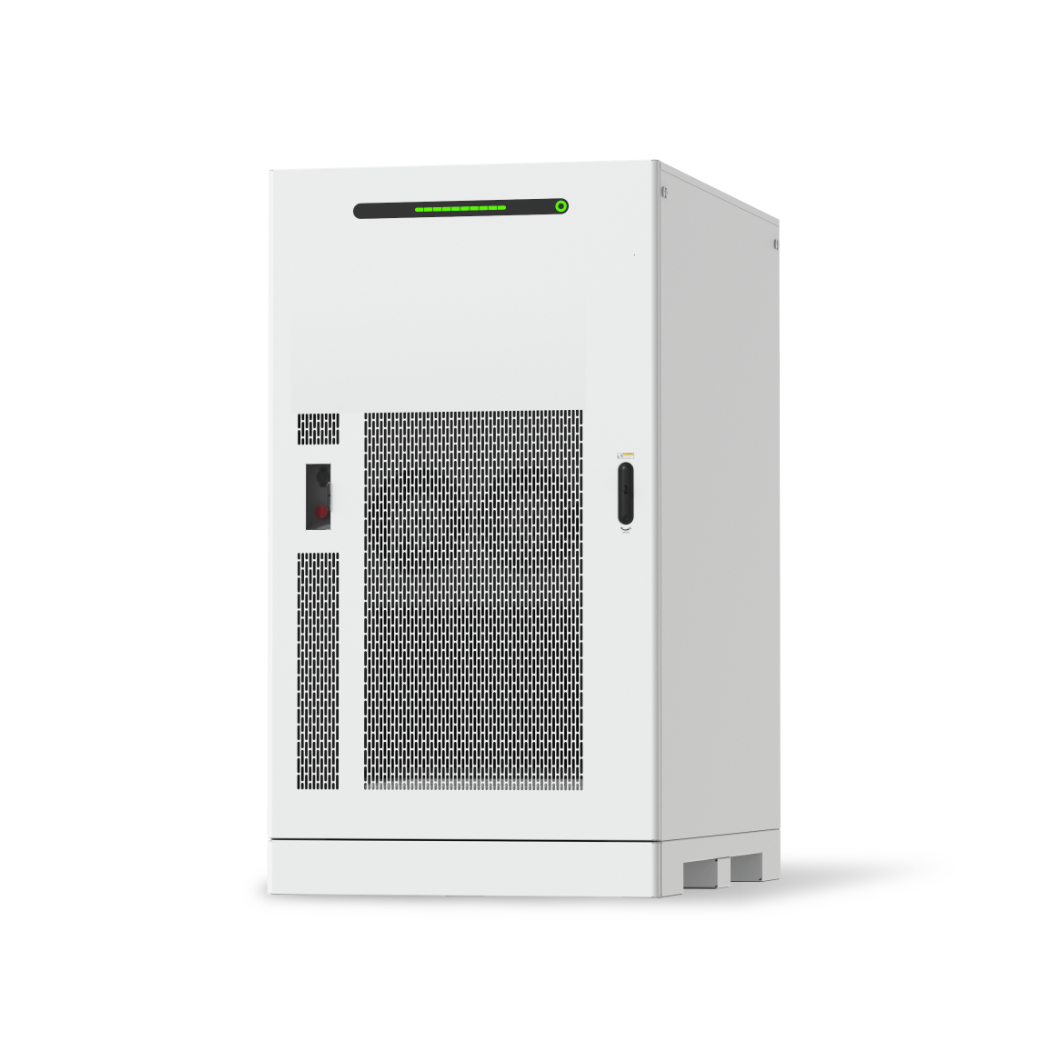
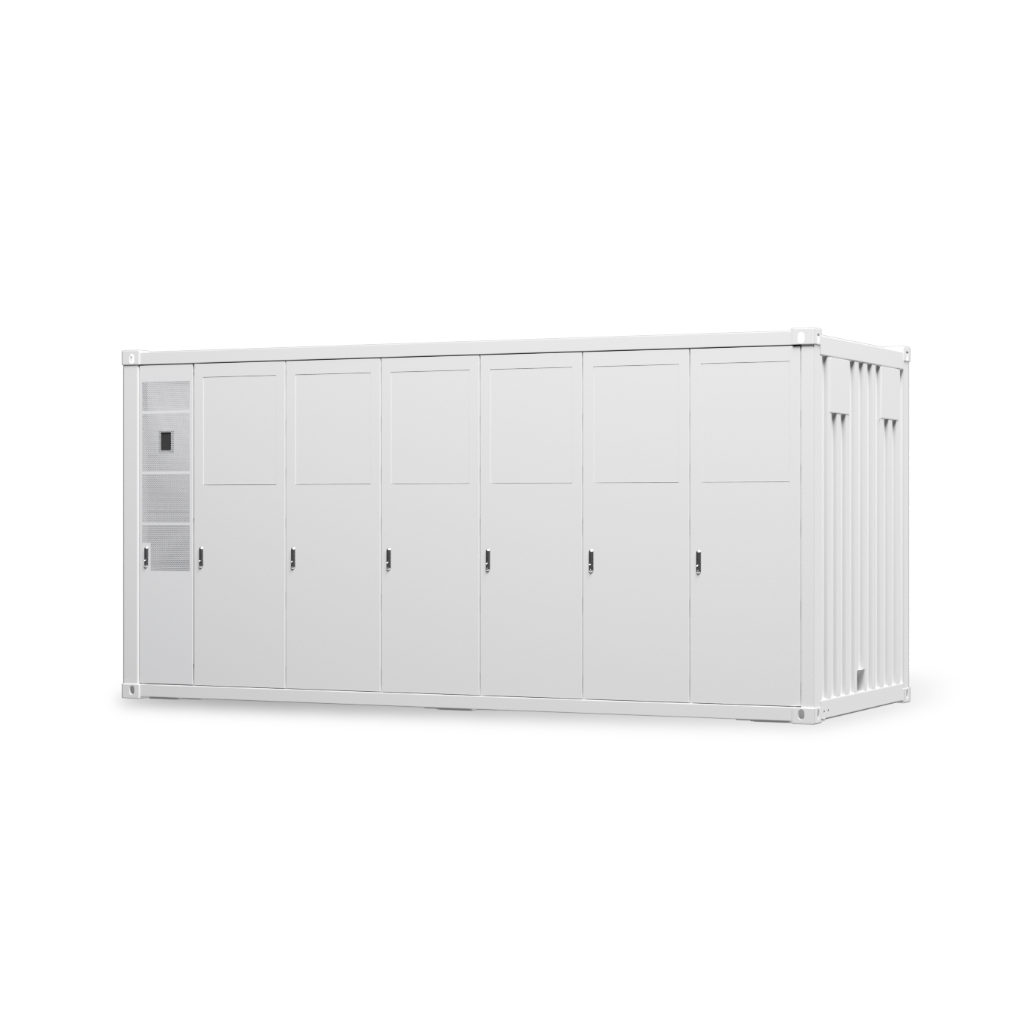
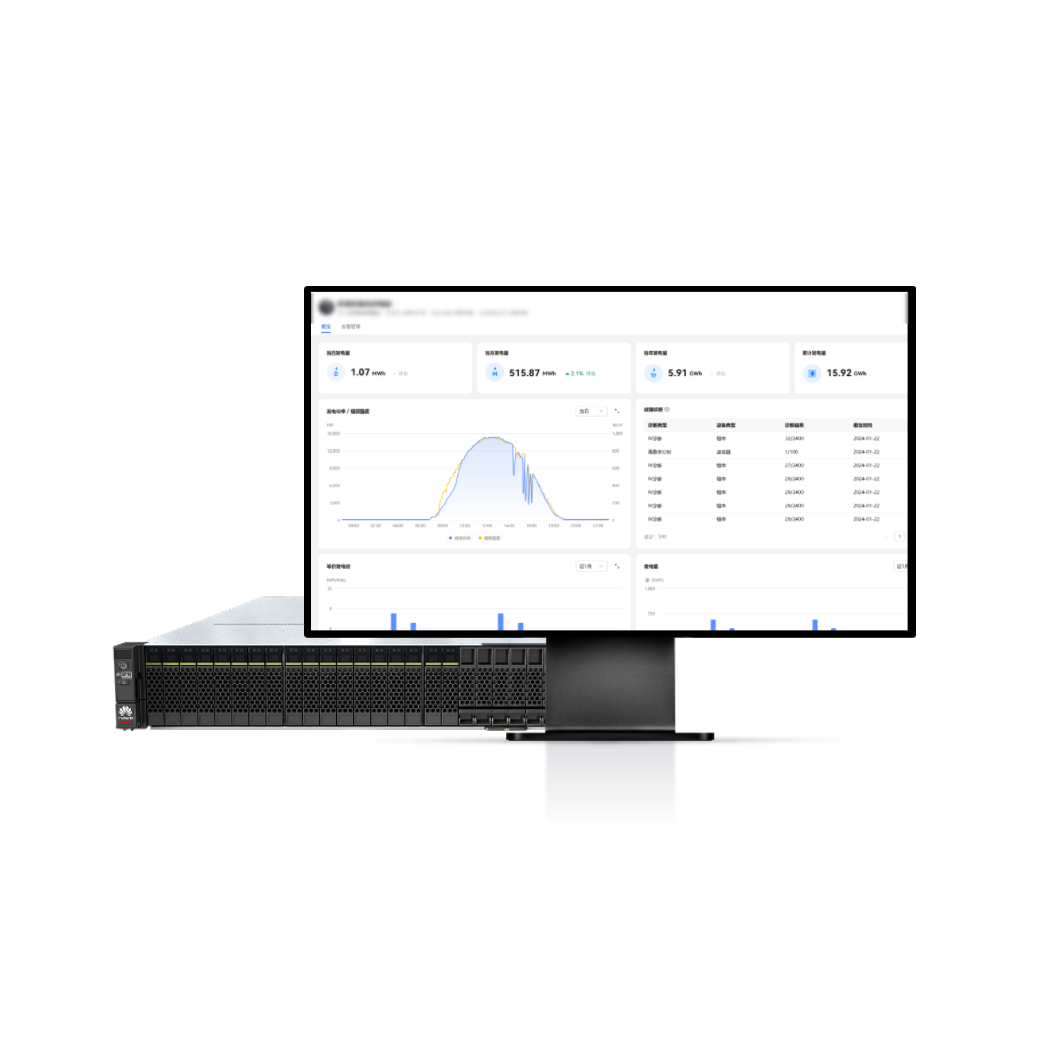
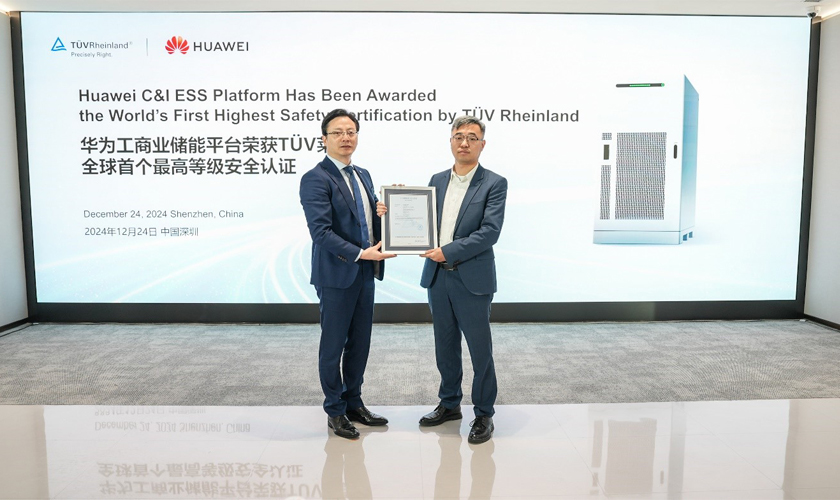
[Shenzhen, China, January 28, 2026] Huawei Digital Power and TÜV Rheinland completed the state-of-charge (SOC) test of the LUNA2000-(4472-5015) series and LUNA2000-(107-241) series Smart String Grid Forming ESS Platforms across multiple dimensions, including accuracy, calibration, balancing, and grid-forming SOC thresholds. With its leading SOC algorithm and balancing management performance, Huawei Digital Power was awarded the highest-level SOC characteristics certificate by TÜV Rheinland.
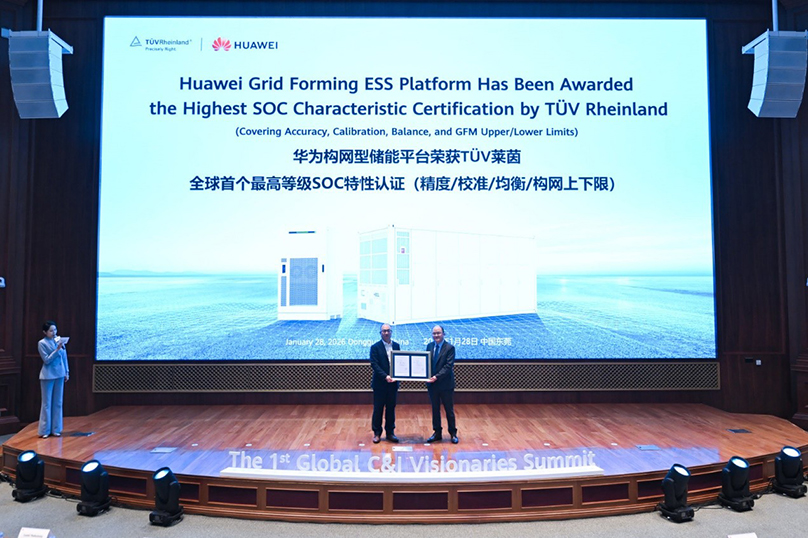
Huawei Smart String Grid Forming ESS Platform has become the first to achieve the world's highest-level SOC characteristics certification from TÜV Rheinland
SOC is the "fuel gauge" of an energy storage system (ESS) and is a critical parameter within the battery management system (BMS). Its accuracy, consistency, and long-term stability directly influence the system's usable capacity, operating revenue, and safety. As application scenarios expand, ESSs are shifting from the balancing market toward the power trading market. This transition places higher demands on SOC characteristics, directly influencing customer operating revenue and operations and maintenance (O&M) strategies.
When SOC accuracy is suboptimal, energy locking may occur, which reduces the actual usable capacity range. Inaccurate SOC estimation can also cause unexpected SOC changes and power-limiting responses, leading to early withdrawal from scheduled operations and reduced power output and revenue of the plant.
However, achieving high-accuracy SOC faces multiple challenges. Battery characteristics exhibit long voltage plateaus and strong nonlinear behaviors influenced by temperature, C-rate, and aging. In large-scale systems, temperature differences, sensor noise, and cell-to-cell inconsistencies further complicate the application of conventional correction methods. Achieving reliable SOC accuracy, controllable error, and plant-wide multi-level balancing requires both advanced algorithms and engineering- and system-level consistency management capabilities adapted to real operating conditions.
For this certification, based on the SOC characteristics classification assessment framework, TÜV Rheinland systematically and rigorously verified the SOC accuracy, long-term error control, automatic calibration, effectiveness of the balancing strategy, and stable grid-forming operation of the Huawei Smart String Grid Forming ESS Platform. The test results show that Huawei's grid-forming ESS platform meets the highest-level requirements, demonstrating that its capabilities in battery management algorithms, in terms of deliverability and verifiability, have been recognized by an authoritative third party and have reached a world-leading standard.
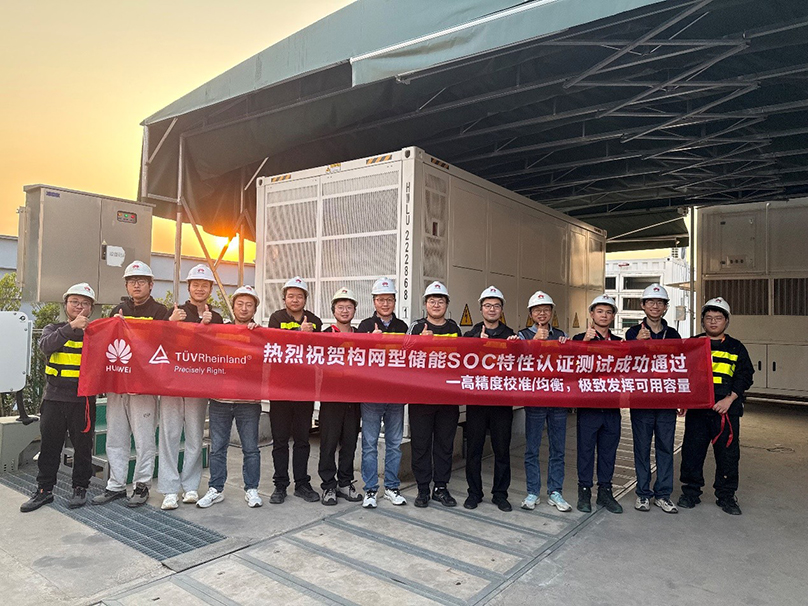
Huawei Smart String Grid Forming ESS Platform successfully passes TÜV Rheinland SOC characteristics certification test
The SOC characteristics classification assessment framework includes:
Level 1 (Basic): SOC calibration is supported only in deep charge/discharge scenarios, and balancing is limited to the cell level. This level meets the minimum requirements of both Chinese and international standards, and represents the baseline capability.
Level 2 (Plus): SOC calibration is supported in both deep and shallow charge/discharge scenarios, with lower accuracy in shallow-cycle calibration. Rack-level balancing capability is added. This level meets the stable grid-forming requirements, although the ESS retains a reserved margin of usable capacity.
Level 3 (Prime): High-accuracy SOC calibration is supported in both deep and shallow charge/discharge scenarios. The system adapts to multiple operating conditions, enables plant-wide balancing, and features pack-level optimization and rack-level management. This level meets stable grid-forming requirements, with the ESS usable capacity fully utilized.
Bowen Dong, General Manager of Power Electronics Services for Solar & Commercial Products at TÜV Rheinland China, said at the award ceremony: "Driven by the goals of carbon peaking and carbon neutrality, the energy storage industry is accelerating into a new stage of scale and marketization, committed to enhancing renewable energy integration and strengthening power system resilience. We look forward to the release of the ESS SOC characteristics classification standard, which will help move SOC capabilities from self-certification to industry consensus and provide referenceable, replicable assessment methods and benchmarking systems for the industry.
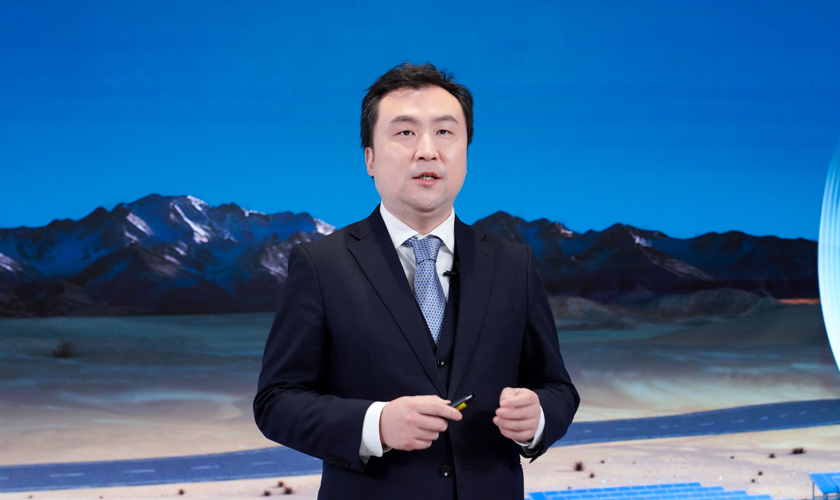
Steve Zheng, President of Grid-Forming ESS Business at Huawei Digital Power said that the industry's first SOC characteristics certification awarded to Huawei's grid-forming ESS platform by TÜV Rheinland demonstrates the technology leadership of Huawei Digital Power in full-lifecycle battery management. Facing core challenges such as multiple influencing factors, high accuracy requirements, and complex balancing in SOC estimation, we have achieved high-accuracy estimation and high-efficiency self-balancing by integrating the control component, unique architecture, and smart SOC calibration algorithm. Looking ahead, Huawei Digital Power will continue to invest in R&D, advance battery management technologies toward higher intelligence and reliability, and create greater value for global customers and the industry.