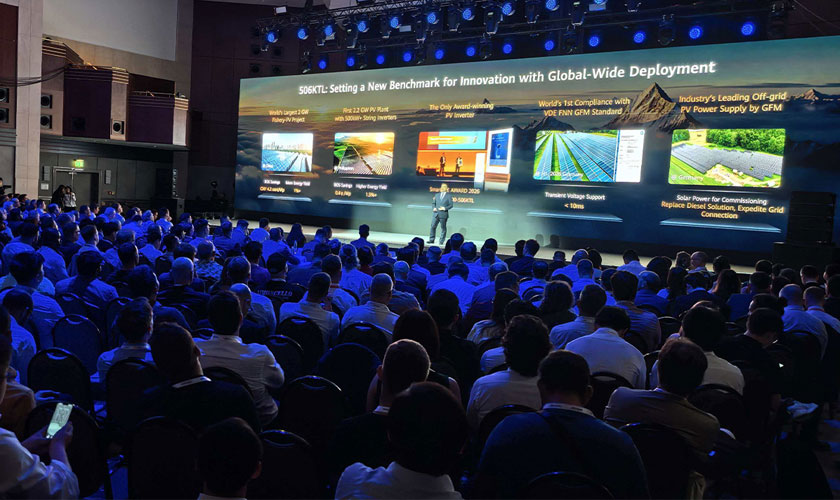
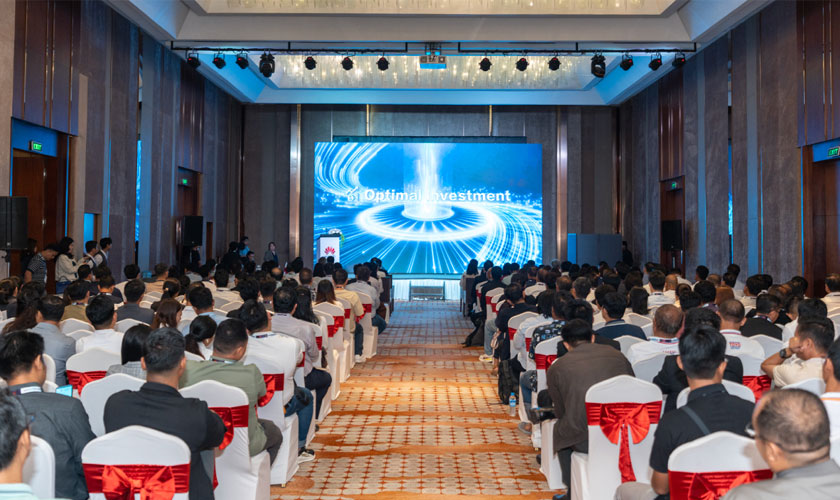
[Munich, Germany, June 24, 2026] Today, During Intersolar Europe 2026, Huawei Digital Power, together with
global partners, held the inaugural 2026 PV & ESS Safety Industry Summit in Munich, focusing on the safety
risks and insurance coverage mismatch in the large-scale development of PV+ESS under the global energy
transition. The summit brought together authoritative experts, association leaders, and insurance
representatives for in-depth dialogue on energy storage safety standards, fire emergency challenges, test
procedure evolution, and insurance innovation, charting a new path to safe and reliable development.
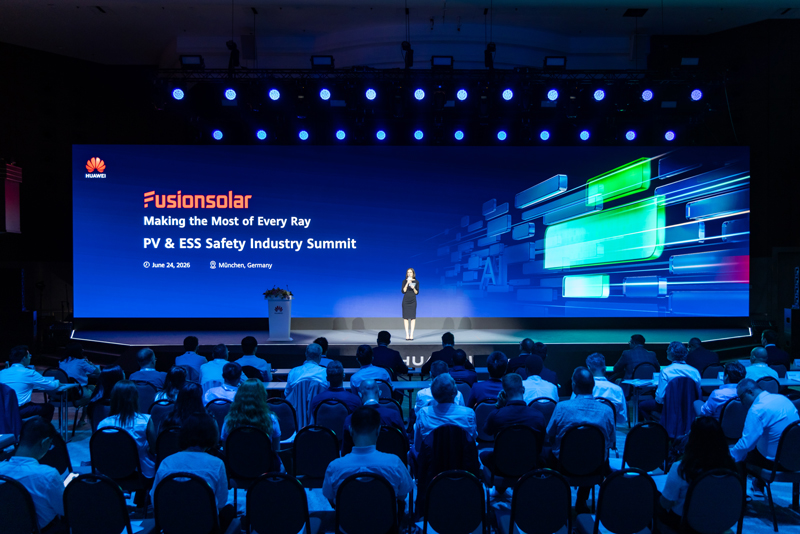
2026 PV & ESS Safety Industry Summit
PV+ESS Safety Calls for High-Quality Development
Xia Hesheng, Vice President of Huawei Digital Power and President of Huawei Digital Power Strategy &
Marketing, emphasized that PV+ESS safety is not an option in the development of the new energy system—it is
the necessity. It is not a single technological breakthrough, but an integration of multiple disciplines
including electrochemistry, thermal management, power electronics, digital technology, and AI. Huawei has
always adhered to a quality-first principle, investing long-term in PV+ESS safety technology innovation to
ensure full-chain safety. Huawei will work with the industry to advance the deep integration of quantitative
safety assessment and insurance mechanisms, driving high-quality development of the renewable energy
industry.

Xia Hesheng, Vice President of Huawei Digital Power and
President of Huawei Digital Power Strategy & Marketing
Safety Breakthroughs from a Global Perspective
Gerrit Lührung, Head of System Infrastructure and BESS, Bundesverband Energiespeicher Systeme e. V. (BVES)
said that in the face of the "curtailment crisis," energy storage has evolved from a commercial arbitrage
tool to a core system asset. Currently, the total battery energy storage system (BESS) capacity in Germany
stands at 19 GW, with growth driven by the utility, commercial, and industrial sectors. Over the next three
years, the industry must overcome regulatory restrictions, comply with the new safety guidelines, and unlock
system value.
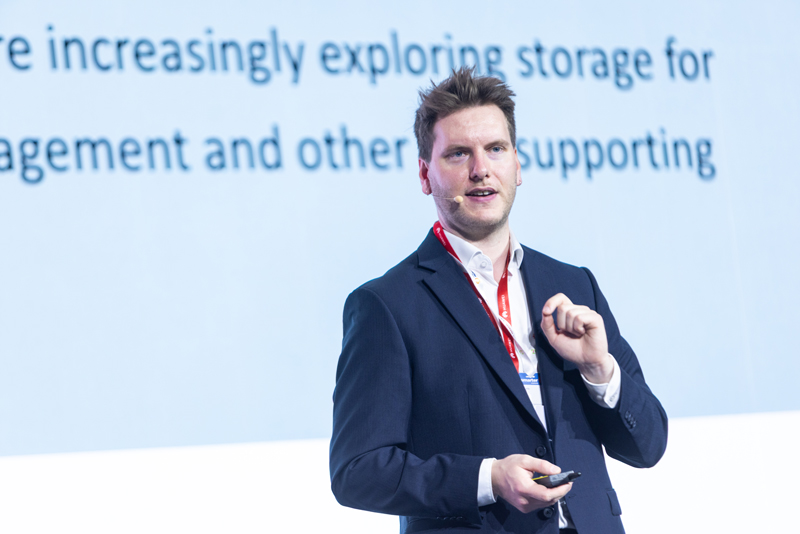
Gerrit Lührung, Head of System Infrastructure and BESS,
Bundesverband Energiespeicher Systeme e. V. (BVES)
Tom Hessels, Advisor of Energy and Transport Safety at the Netherlands Institute for Public Safety (NIPV),
believes that battery fires are on the rise, with the core challenge being "information silos." He called
for the release of UL 9540A test data (such as thermal runaway duration) and 24/7 manufacturer support
channels to bridge the information gap between fire departments and manufacturers.
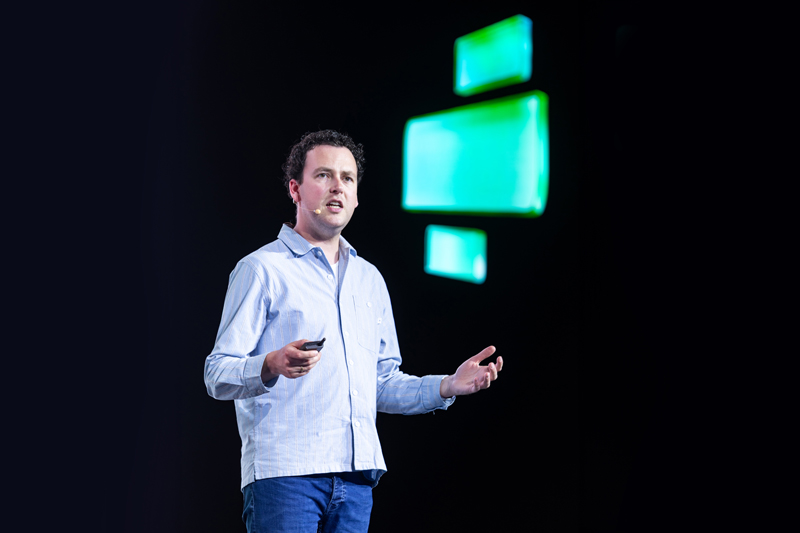
Tom Hessels, Advisor of Energy and Transport Safety at the
Netherlands Institute for Public Safety (NIPV)
Mikel Arrese-Igor, Senior Energy Storage Engineer at DNV, said that around 70% of BESS defects occurred at
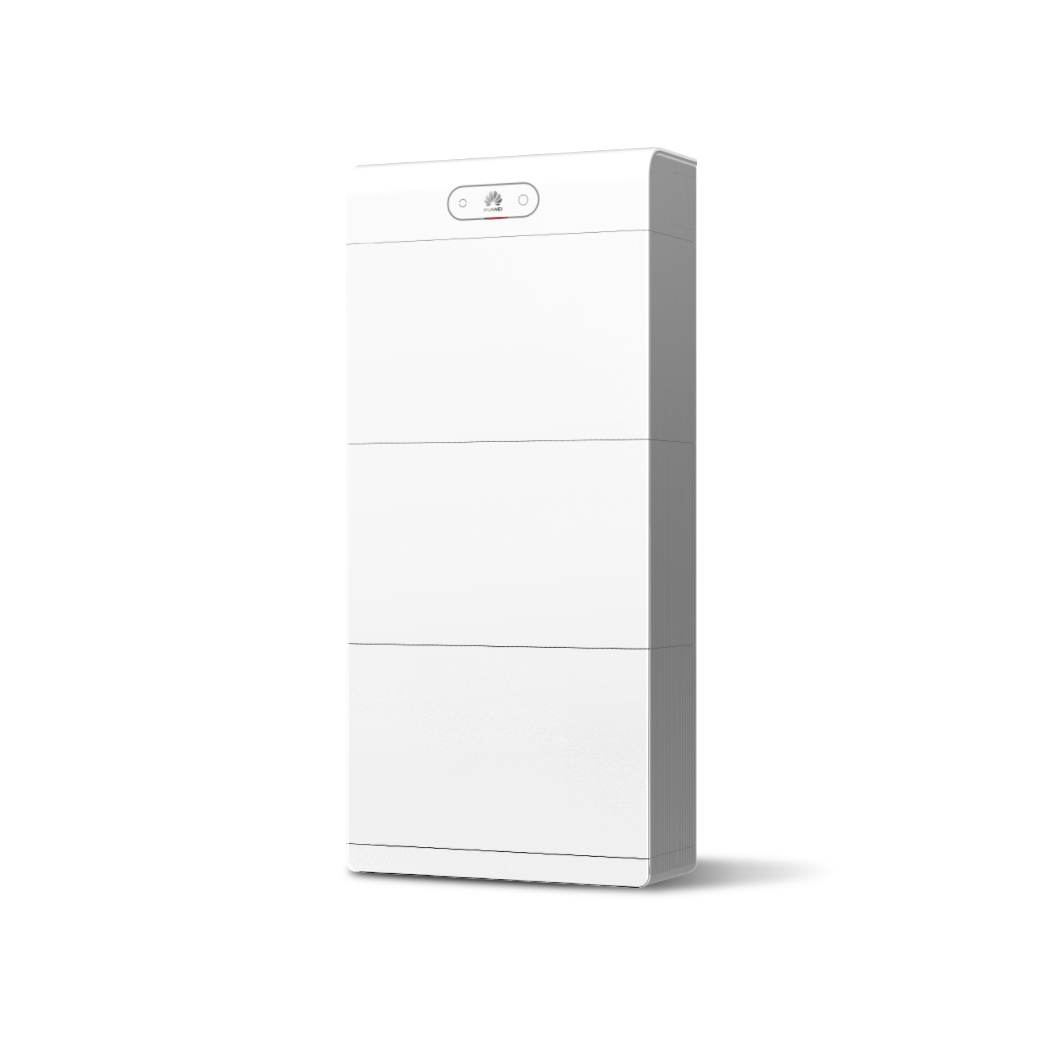
the system level. Full-scale tests, such as the ones carried out in the Huawei LUNA2000 system, allow for
safety philosophy and safety-by-design approach validation. Going forward, the industry will likely upgrade
test standards to the "installation level", covering chain-fire scenarios involving other non-battery
surrounding enclosures.
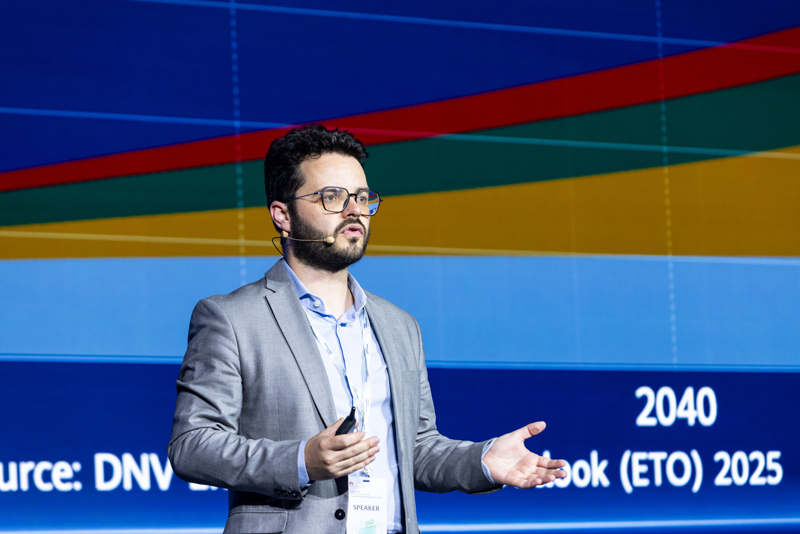
Mikel Arrese-Igor, Senior Energy Storage Engineer at DNV
Bill Reaugh, Solar Executive and Principal Engineer at the German Electrical and Electronic Manufacturers'
Association (VDE), said that the transformation of energy systems brings new risks. Safety must evolve from
the component level to the ecosystem leveraging a Digital Trust Model. Safety and Security are
full-lifecycle and closed-loop covering design, manufacturing, and operations.
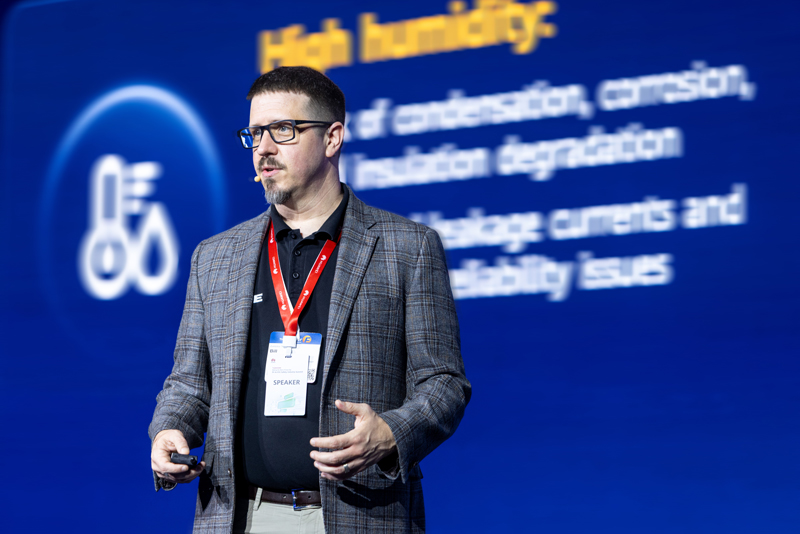
Bill Reaugh, Solar Executive and Principal Engineer at the
German Electrical and Electronic Manufacturers' Association (VDE)
Technical Excellence and Financial Empowerment
Zhu Jun, Product Director of Utility GFM ESS at Huawei Digital Power, pointed out that the industry faces
four major challenges: thermal-runaway boundary breakdown, high-voltage insulation failure, grid
disturbance, and a lack of digitalization. A full-lifecycle safety quantitative assessment framework must be
established to upgrade the risk level from "Zone B risk mitigation" to "Zone C acceptable zone." Huawei has
built a "passive protection + proactive warning" defense network through high-temperature-durable
insulation, positive-pressure smoke exhaust, smart string dual-stage architecture, and AI-based
early-warning technologies, ensuring that thermal runaway does not propagate in extreme scenarios.
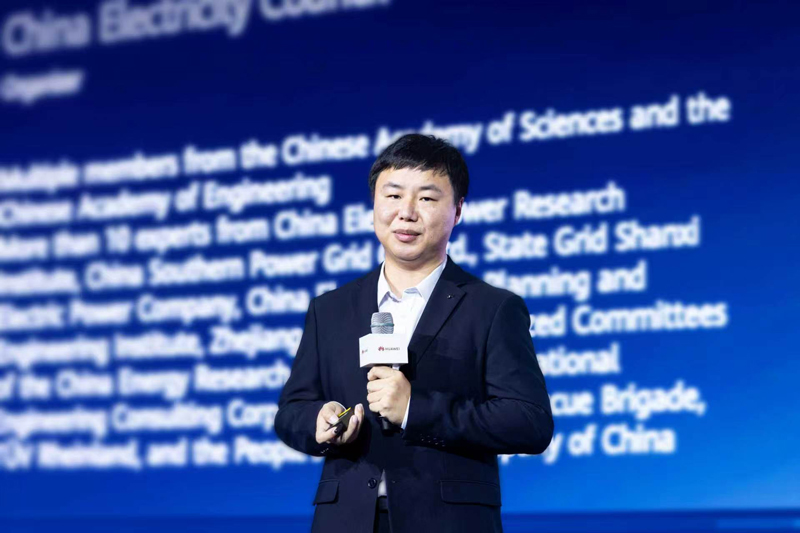
Zhu Jun, Product Director of Utility GFM ESS at Huawei
Digital Power
Alastair Nicklin ACII, Senior Director of Business Development at Willis Natural Resources, WTW, advocated
that the insurance industry shift to a "design as risk control" paradigm, quantifying "risk probability ×
loss severity" to build a three-dimensional closed-loop defense mechanism across physical, financial, and
environmental dimensions. This encompasses extending fire separation distances to micro-environment
containment, upgrading equipment repair to revenue-interruption hedging, and transitioning from standards
compliance to above-standard resilience.
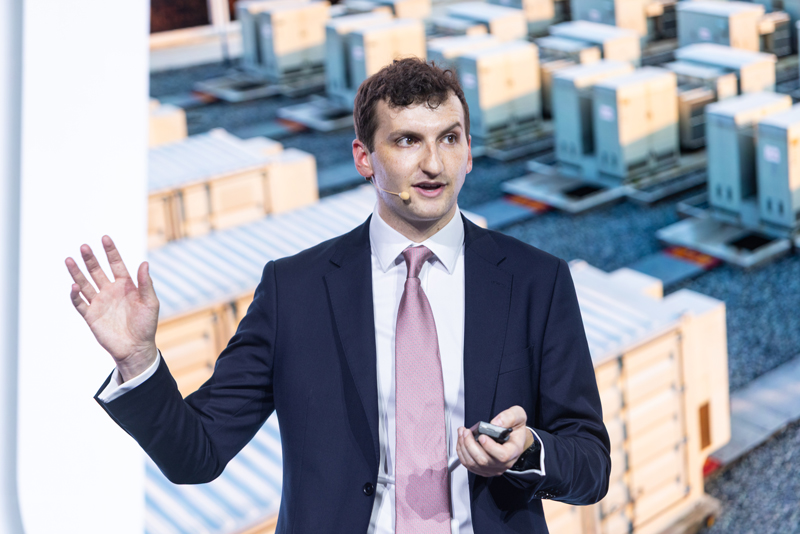
Alastair Nicklin ACII, Senior Director of Business
Development at Willis Natural Resources, WTW
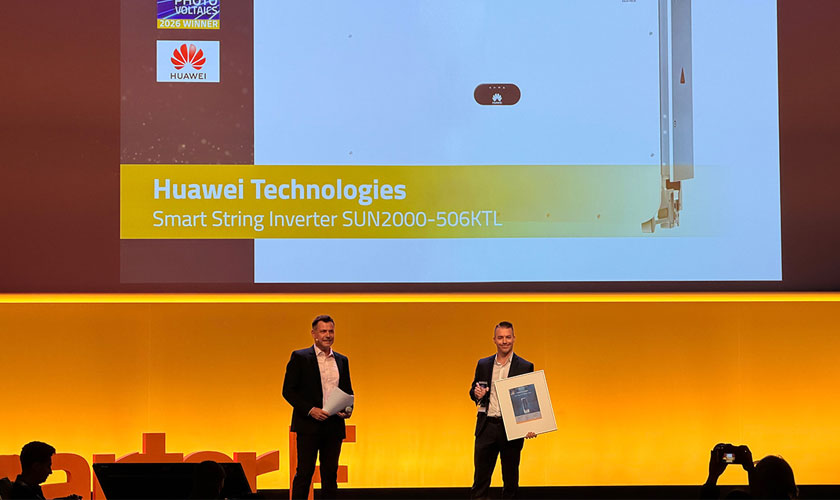
During the summit, the Grid-Forming ESS Safety White Paper was released, focusing on the quantitative
assessment framework, attack-defense testing system, and digitalization pathways. It analyzed the logic of
"promoting defense through offense, data-driven approaches, and closed-loop iteration," providing guidance
for R&D, regulation, and construction, and driving the industry toward a unified safety paradigm.
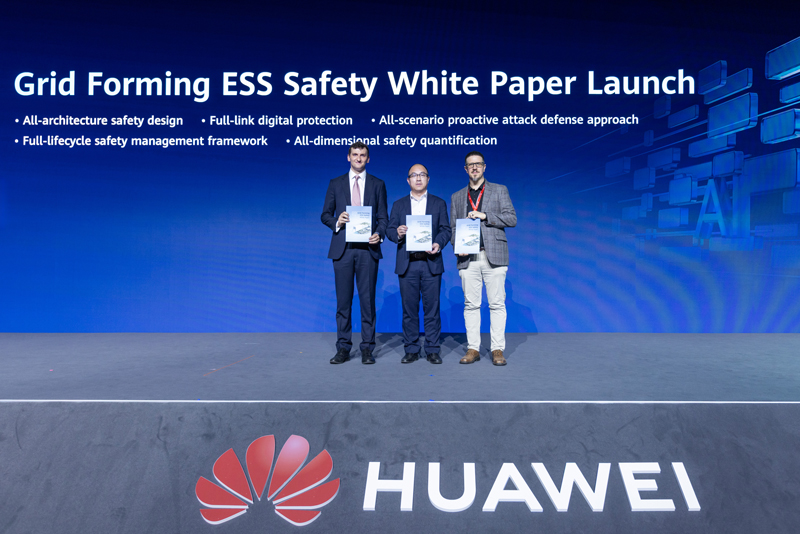
Release Ceremony of the Grid-Forming ESS Safety White Paper