Huawei and African leaders make the case for energy sovereignty, smarter grids, and development-led partnerships
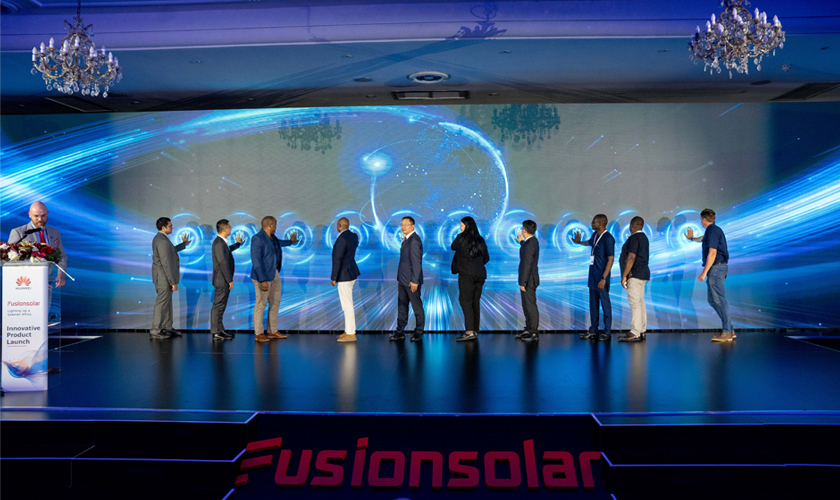
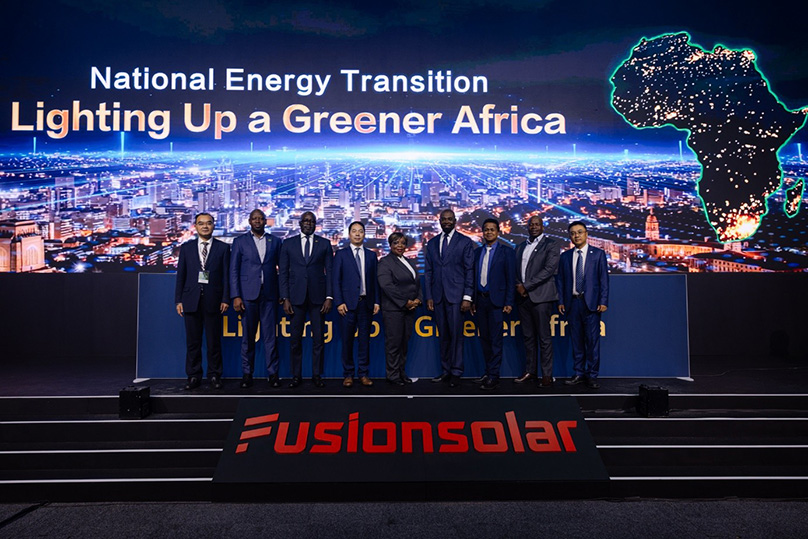
[Cape Town, South Africa, June 15 2026] – Huawei renewed its commitment to helping Africa transition to a greener future at the National Energy Transition Summit held on June 15 in Cape Town.
The summit was attended by over 120 guests, including senior officials and business leaders from the continent. Attendees gathered to explore energy transformation in a world where geopolitical tensions and rising energy demand are undermining energy security and sovereignty.
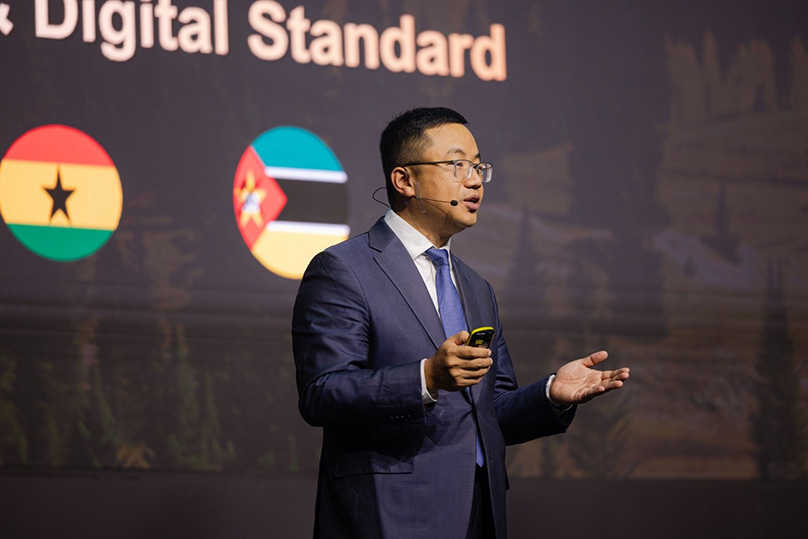
Mr. James Tang, President, Huawei Digital Power, Sub-Saharan Africa Region
The summit opened with a speech by Mr. James Tang, President of Huawei Digital Power, Sub-Saharan Africa Region, who set out three roles Huawei plays in Africa’s energy transition: as an advisor supporting strategy and planning, as an innovator driving the transition through intelligent technologies, and as a contributor to industry development.
"For a continent where nearly 600 million people don’t have electricity, geopolitical pressures further complicate efforts to expand affordable and reliable access," said James. "Huawei has worked with governments and industry partners across the continent for years. We hope to continue sharing our global best practices to support Africa’s sustainable energy future."
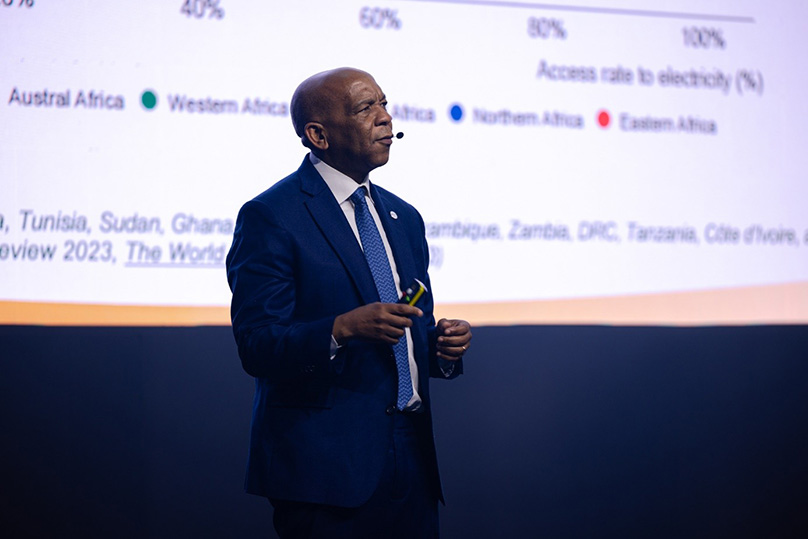
Dr. Kgosientsho Ramokgopa, Minister of Electricity and Energy, South Africa
South Africa’s Minister of Electricity and Energy, Dr. Kgosientsho Ramokgopa, underscored the importance of building resilient, self-sufficient energy economies across Africa. With its rich mineral reserves and abundant renewable energy resources, South Africa must capitalise on the energy transition.
"Technology allows us an opportunity to build microgrids and ensure that the same generation happens at the point of consumption. It means that the deployment is quicker, more agile, cheaper and greener," said Ramokgopa.
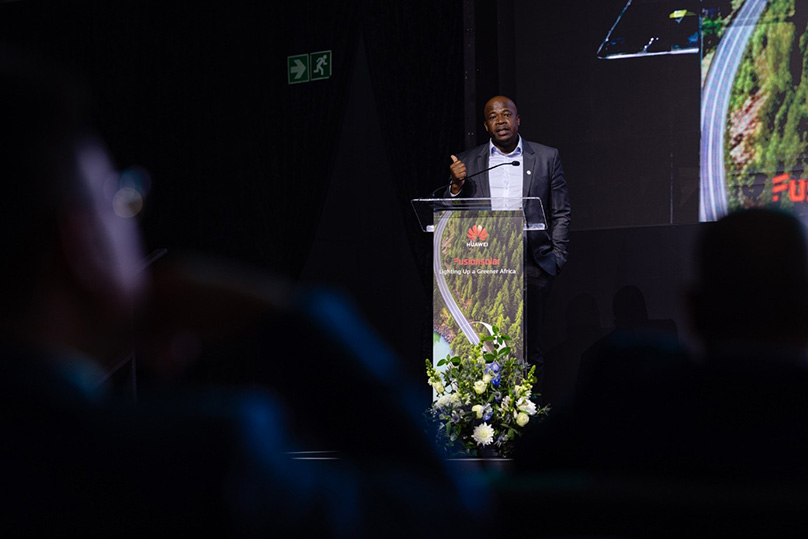
Mr. Rivoningo Mnisi, Group Executive: Renewables, Eskom
Mr. Rivoningo Mnisi, Eskom Group Executive: Renewables, echoed this sentiment, noting that modern grids are essential for energy security.
"I’m encouraged by the advancement of technologies that we’re seeing from brands like Huawei, because this technology is fundamental to replacing coal and making renewables dispatchable," said Mnisi.
Africa’s energy transition, Africa’s terms
A recurring theme throughout the summit was the importance of Africa walking its own path on the energy transition. Senior officials and industry leaders from South Africa, Madagascar and Angola outlined how they are capitalising on local strengths while addressing key challenges to diversify their energy mix.
In South Africa, Eskom launched a dedicated renewable subsidiary, Eskom Green, on June 9. The platform is designed to accelerate clean energy development, strengthen energy security and deliver competitive renewable energy at scale.
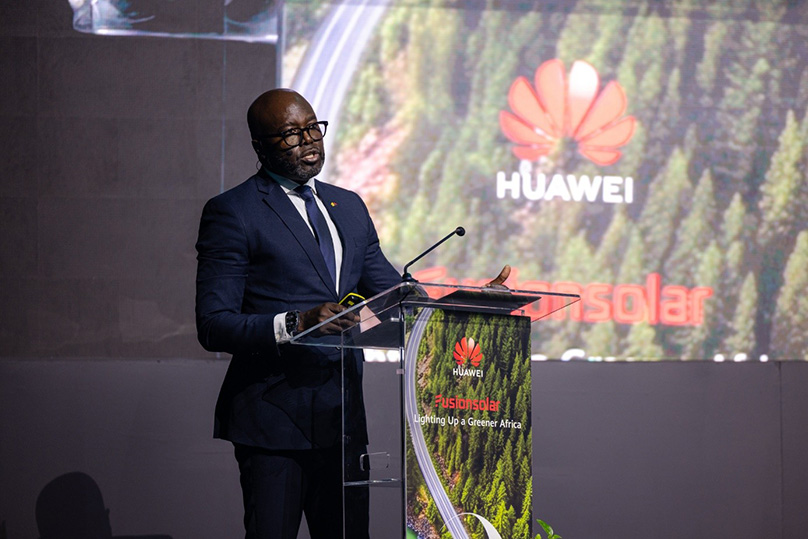
Mr. Manuel Barros, CEO, Sonágas, Angola
In Angola, electric mobility is a pillar of the country’s energy transition, with EV numbers expected to reach 100,000 by 2030. Sonágas is building 80 new charging stations in partnership with Huawei this year, with the corridor planned to extend through Namibia and into South Africa.
"The integration of Huawei systems will help us to dramatically reduce dependence on the power grid," said Manuel Barros, Sonágas CEO.
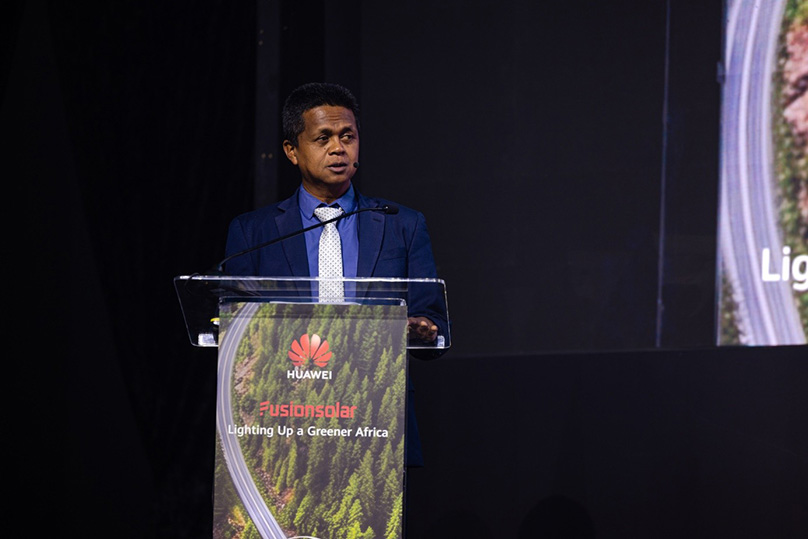
Mr. Radonirina Lucas Rabearimanga, Minister of Energy and Hydrocarbons, Madagascar
Madagascar, despite abundant solar resources, remains hamstrung by high electricity prices, weak grid infrastructure, and heavy reliance on imported fuel. The country currently has a national electricity coverage rate of around 36%.
"Because only around a third of the population has access to energy, our market is open to long-term investment and collaboration," said Rabearimanga, Madagascar’s Minister of Energy and Hydrocarbons. According to Madagascar's Energy Compact, the goal is to increase the energy access to 80% by 2030 by leveraging the country’s renewable resources and forming strategic partnerships.
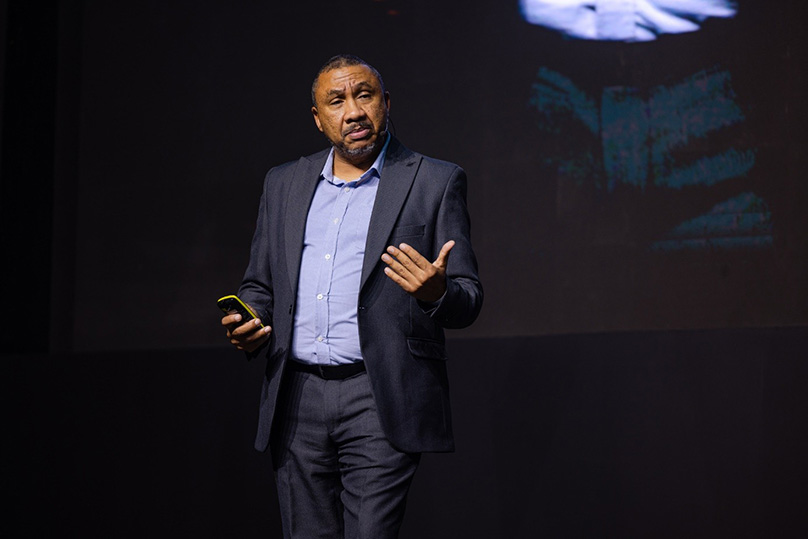
Mr. Shane Marcelo Prins, Chief Solution Architect, Huawei Digital Power Sub-Saharan Africa
Concluding the summit, Mr. Shane Marcelo Prins, Chief Solution Architect of Huawei Digital Power Sub-Saharan Africa, made clear that Africa’s energy transition has moved beyond the climate conversation.
"We are talking about energy sovereignty, energy independence, affordability and access to energy for all citizens," said Prins. He added that the answer to greater access is not simply adding capacity, but upgrading transmission infrastructure and deploying grid-forming technologies. "Grid-forming technologies are a game changer in terms of how we design, build, expand, operate, and manage power systems in the future."
James closed with a reassurance that Huawei is committed to "In Africa, For Africa" and has been deeply rooted on the continent for nearly 30 years, followed by a call to action: "Africa’s energy transition is an opportunity to strengthen energy sovereignty, drive sustainable growth, and improve lives across the continent. Let’s seize this opportunity together."