Solar solutions offer a sustainable way to generate electricity, reduce carbon footprints, and save on
energy costs. Photovoltaic (PV) systems, which convert sunlight into electricity, are gaining popularity
across residential, commercial, and industrial sectors. By leveraging advancements like smart string
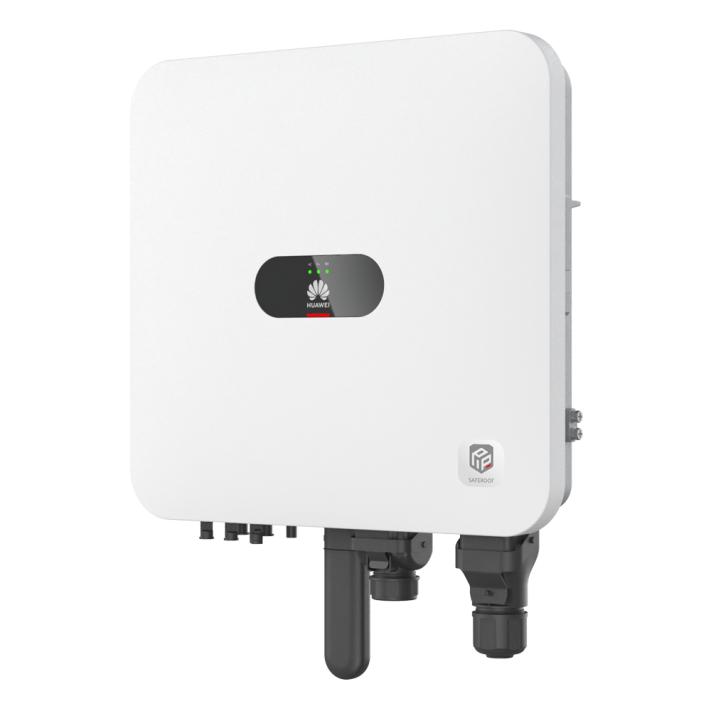
inverters, such as the FusionSolar SUN5000 Series, users can maximize efficiency, safety, and convenience.
For those interested in investing in solar energy but unsure where to start, this guide offers comprehensive
insights into PV systems, including their types, key components, installation process, maintenance
requirements, and financial benefits, helping you make informed decisions about adopting solar energy.
Understanding Photovoltaic (PV) Systems
Photovoltaic systems harness sunlight and convert it into electricity through solar panels made of
semiconductor materials. When sunlight strikes the panels, it generates direct current (DC), which inverters
then convert to alternating current (AC) for use in homes and businesses. PV systems are versatile and can
be scaled to meet different energy needs, from small residential setups to large-scale industrial
installations.
The growing popularity of solar systems is driven by decreasing costs, government incentives, and ongoing
technological advancements. Nowadays, solar energy is becoming a preferred alternative due to its
reliability, cost-effectiveness, and environmental benefits in addressing energy challenges.
Types of Solar PV Systems
Understanding the different types of PV systems is essential in identifying the best solar solution for your
specific needs. The most common types include grid-tied, off-grid, and hybrid systems, each offering unique
benefits.
Grid-Tied Solar Systems
Grid-tied systems are connected to the local electricity grid, allowing users to draw power from the grid
when solar production is insufficient and feed excess energy back into it. This setup is popular for its
cost-effectiveness and ease of integration. Grid-tied systems don’t require battery storage, making them a
lower-cost option for many households and businesses. They work best with solar charge solutions that offer
flexibility in managing energy flows, ideal for urban areas where reliable grid connectivity exists.
Off-Grid Solar Systems
Off-grid systems are completely independent of the electricity grid and require battery storage to function.
These systems are ideal for remote locations where connecting to the grid is impractical or costly. While
off-grid systems offer full energy independence, they tend to be more expensive due to the need for
batteries and a backup generator. However, affordable solar solutions have made off-grid systems more
accessible, allowing homeowners and businesses in remote areas to harness solar power effectively.
Hybrid Solar Systems
Hybrid systems combine the benefits of grid-tied and off-grid setups. They are connected to the grid but
also include battery storage to store excess energy for later use. Hybrid systems offer more flexibility and
resilience, allowing users to have backup power during outages while still taking advantage of grid
connectivity. This balance between independence and grid reliability makes hybrid systems popular among
users looking for home solar solutions that provide peace of mind during power interruptions.
Key Components of a Solar PV System
A Solar Photovoltaic (PV) system converts sunlight into electricity and comprises several key components
that work together to generate, regulate, and supply power. Here are the main components of a Solar PV
system:
Solar Panels
Solar panels are the core component of any PV system. They capture sunlight and convert it into electricity.
The efficiency and quality of solar panels directly impact the system’s overall performance. In solar
rooftop solutions, panel placement is critical to maximize sunlight exposure and ensure optimal energy
output.
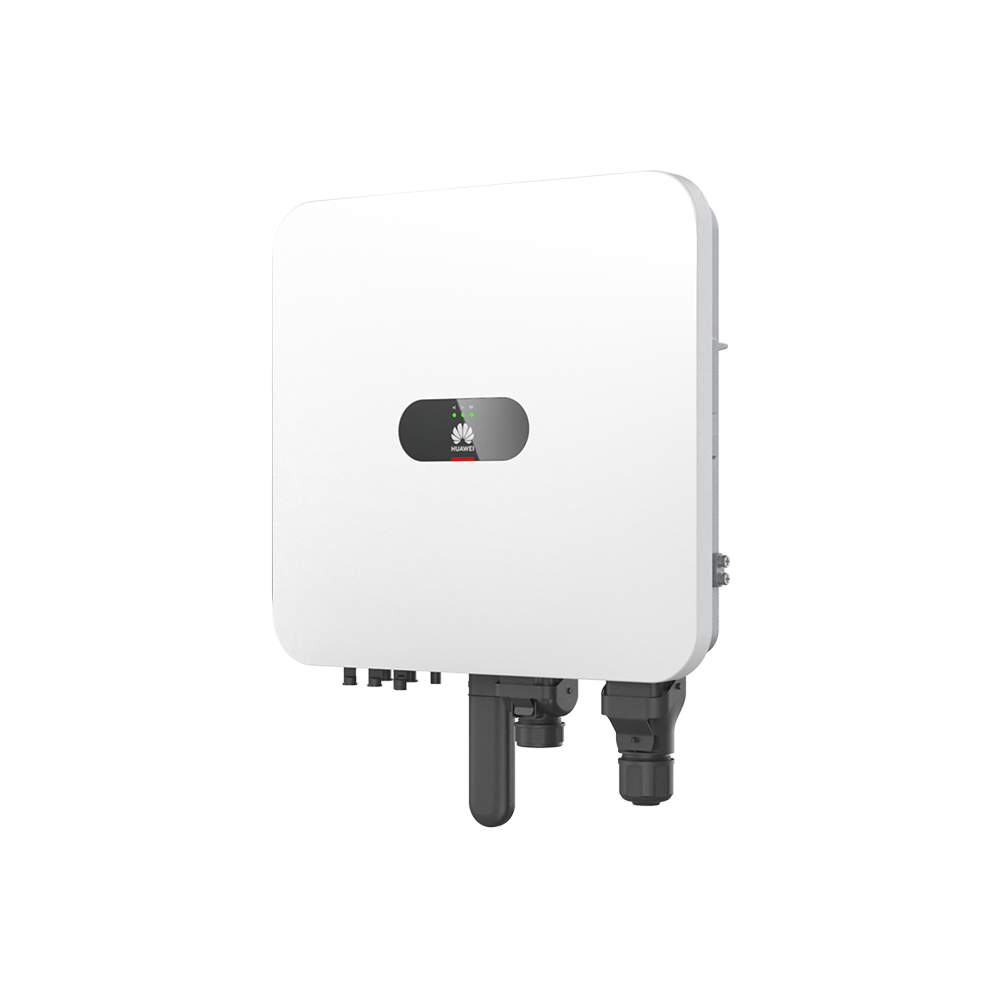
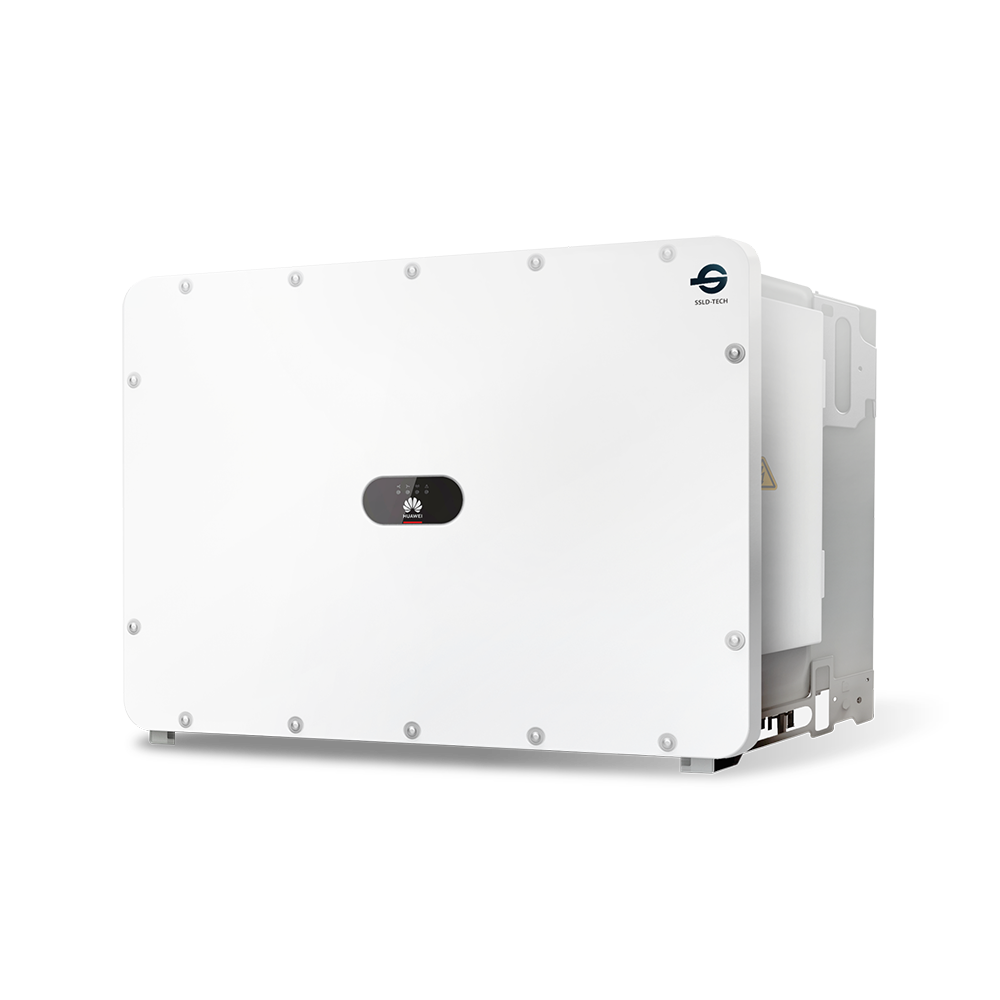
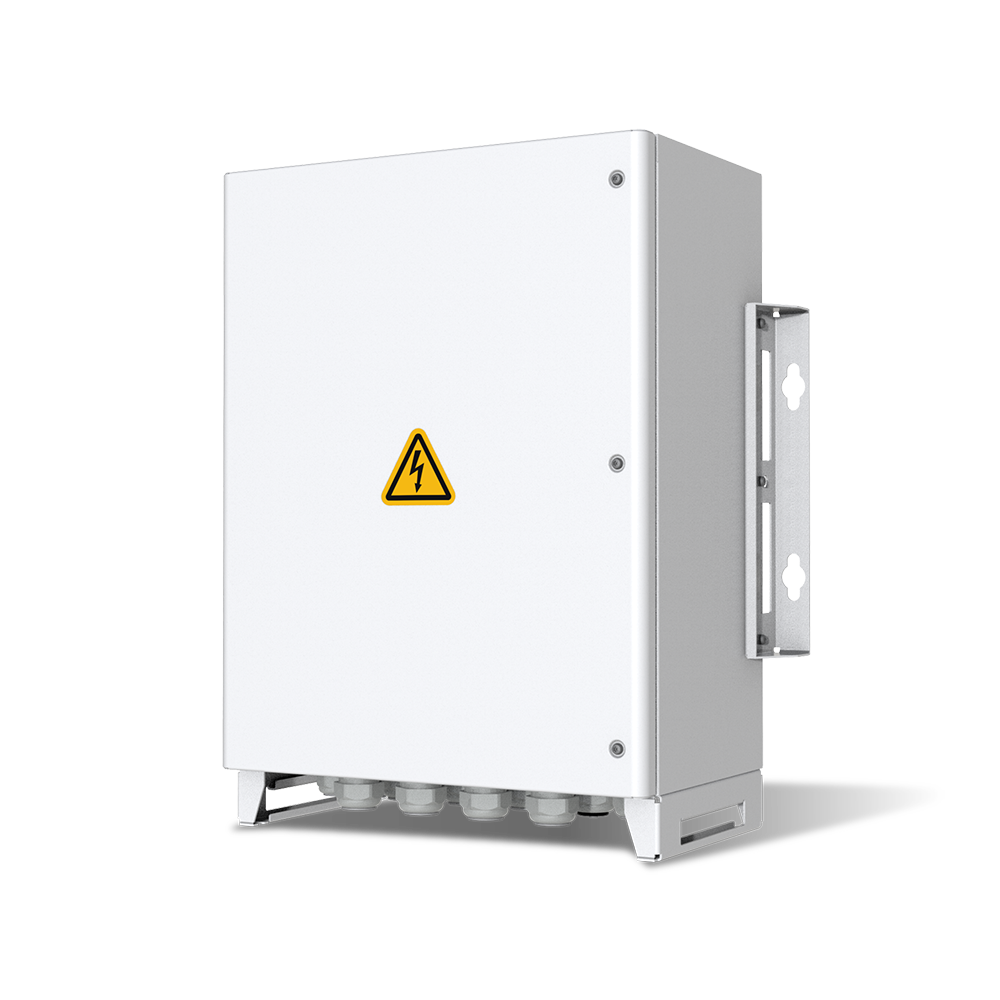
Inverters
Inverters convert the DC electricity generated by solar panels into AC electricity, which can be used by
home appliances. The choice of inverter significantly impacts the system's overall efficiency and safety.
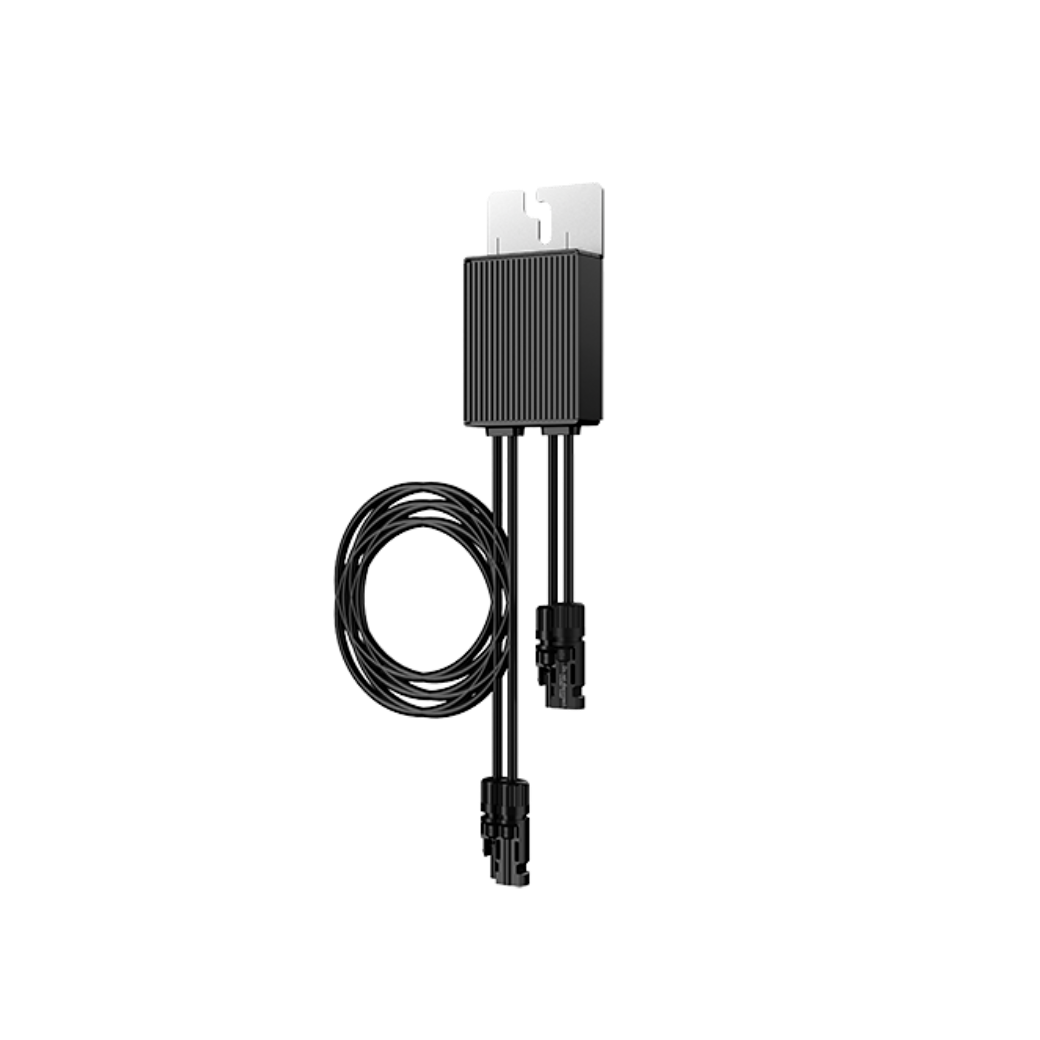
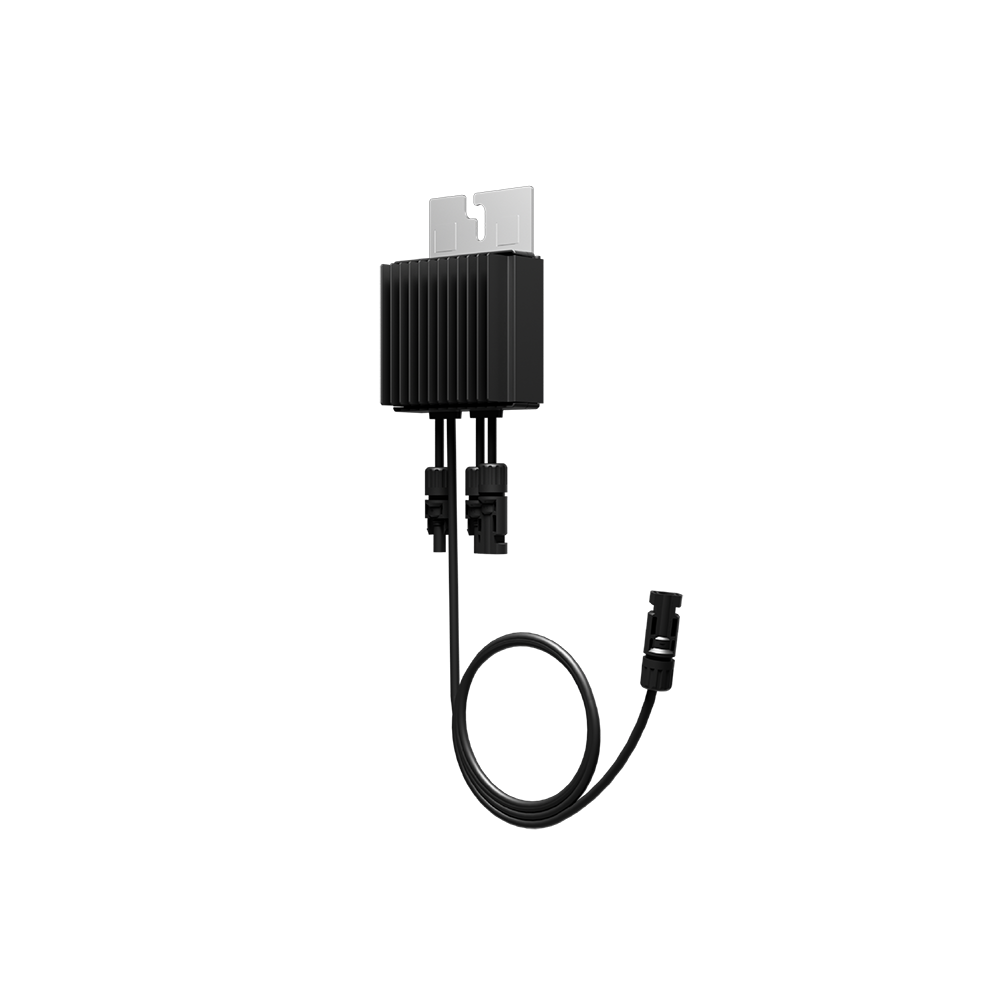
Smart string inverters, like the FusionSolar
SUN5000 Series, enhance system performance through independent module management and advanced safety
features like AFCI and Rapid Shutdown. As the backbone of any Smart PV Solution, inverters ensure that the
generated solar power is converted effectively and used safely, maximizing the system's potential.
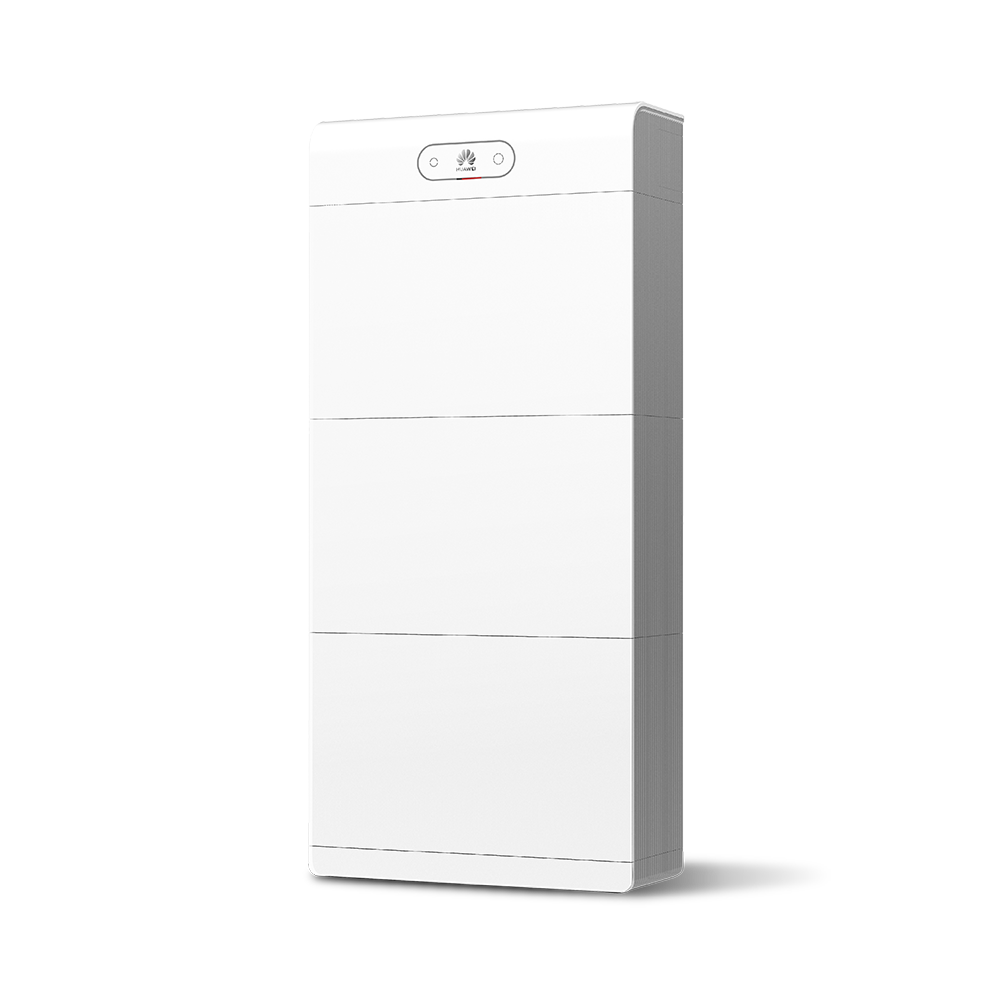
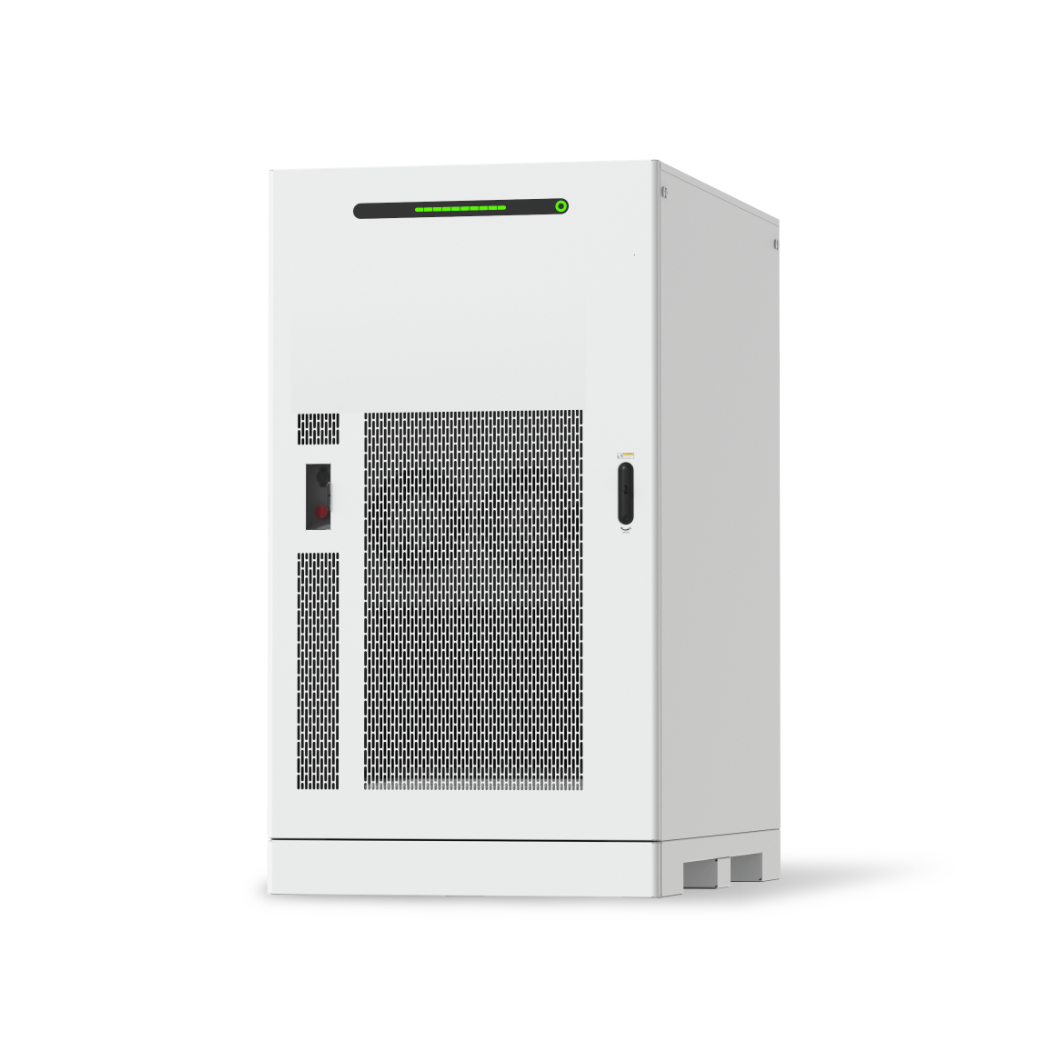
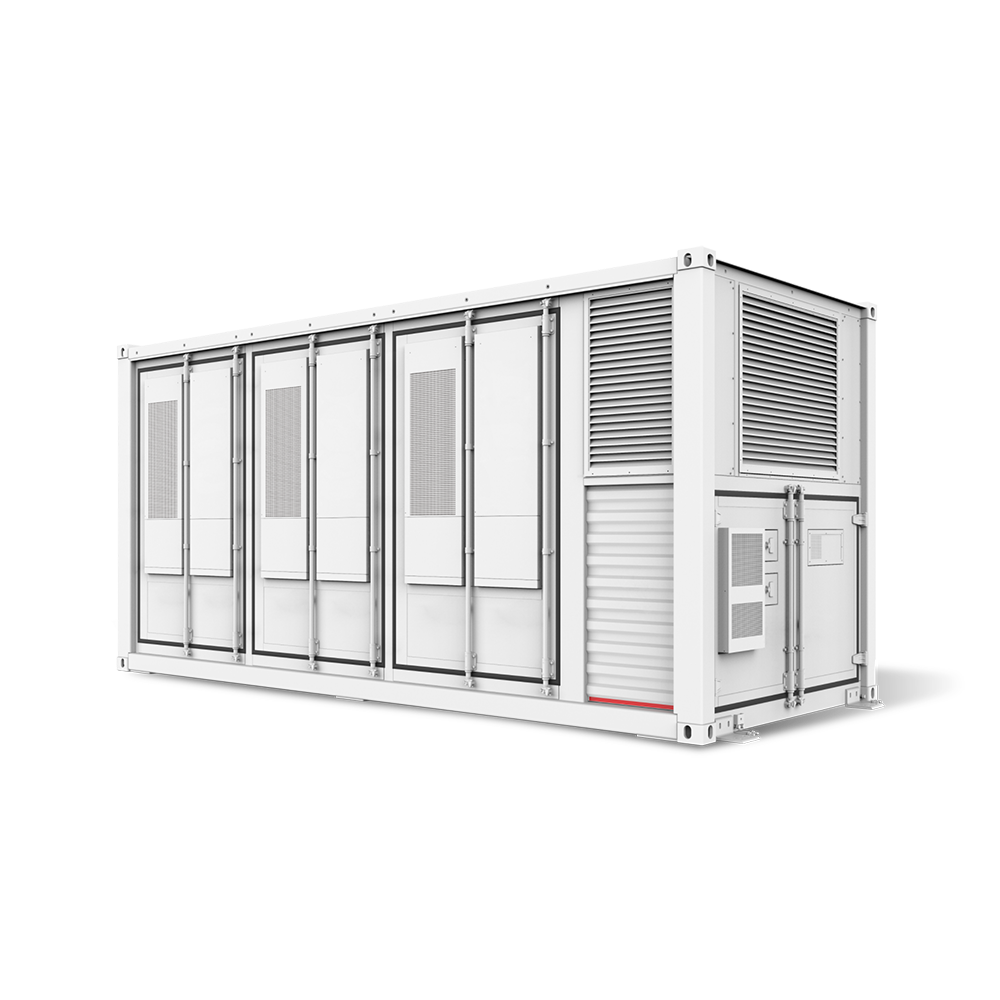
Battery Storage
Batteries store excess solar energy, allowing it to be used during periods of low sunlight or at night.
Battery storage is crucial for off-grid systems and beneficial for grid-tied setups, providing backup power
during outages. The inclusion of battery storage in solar solutions enhances reliability and energy
security, particularly in areas prone to frequent power cuts.
Choosing the Right Solar Solution for Your Needs
Selecting the right solar solution requires considering your specific energy requirements. From residential
systems tailored to homeowners' needs to large-scale commercial and industrial applications, understanding
the available options helps ensure optimal performance and cost savings.
Residential Solutions
For homeowners, the ideal home solar solutions depend on energy needs, budget, and available space.
Grid-tied systems are often the most cost-effective, while hybrid systems provide additional security with
backup power. For those looking to achieve total independence, off-grid systems may be the preferred choice,
especially in rural areas where grid connectivity is unreliable.
Commercial and Industrial Applications
Businesses can benefit from larger-scale solar installations to reduce energy costs and enhance
sustainability efforts. Hybrid systems are particularly advantageous, providing energy security while
reducing reliance on the grid. For industries, solar charge solutions ensure continuous power supply,
mitigating the impact of power outages and reducing operational costs.
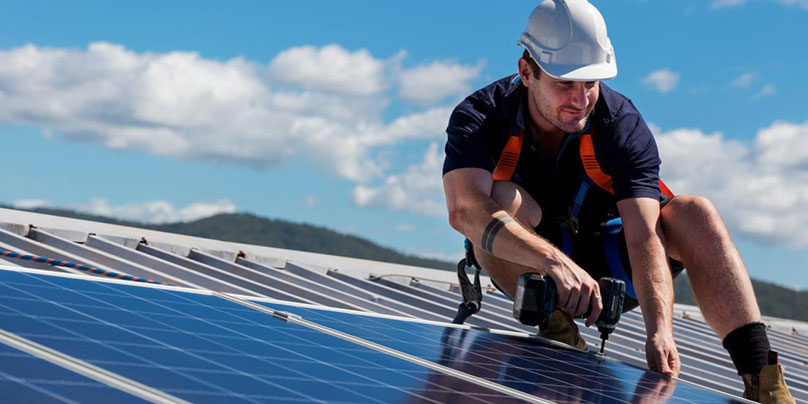
Installation of PV Systems
The successful implementation of a solar PV system goes beyond selecting the right type and components;
proper installation is the key to achieving the desired outcomes. Follow these straightforward installation
instructions:
● Obtaining Permits: Secure the necessary permits and approvals required for installation.
● Site Assessment: Evaluate the location to determine the best placement for solar panels and other system
components.
● System Design: Design the PV system based on energy needs, available space, and budget.
● Installation of Panels, Inverters, and Batteries: Install the solar panels, inverters, and batteries
according to the system design.
Note: Professional installers ensure optimal placement and connection for maximum efficiency.
Financial Benefits of Solar Solutions
Investing in solar solutions offers significant financial benefits, making it a wise choice for both
residential and commercial users.
Cost Savings
Solar solutions can significantly reduce electricity bills by generating your own power. Depending on the
system type, excess energy can be sold back to the grid, further offsetting costs. The adoption of
affordable solar solutions enables more households and businesses to benefit from these cost savings,
enhancing overall energy efficiency.
Incentives and Rebates
Many governments provide incentives, rebates, and tax credits to promote solar adoption. These financial
benefits significantly enhance the attractiveness and affordability of solar investments, making it easier
for individuals and businesses to switch to renewable energy sources and reduce their long-term energy
costs.
The Future of Solar Energy
The future of solar energy worldwide is promising, characterized by rapid technological advancements and
decreasing costs. As governments and businesses prioritize sustainability, solar power is expected to play a
pivotal role in global energy transition. Innovations in energy storage, efficiency, and smart grid
technology will enhance solar's reliability, making it a leading renewable energy source for a sustainable
future.
Conclusion
Solar solutions offer a sustainable, cost-effective way to meet energy needs. By choosing the right system
and components, individuals and businesses can enjoy significant financial and environmental benefits.
Whether opting for grid-tied, off-grid, or hybrid systems, the transition to solar energy represents a
forward-thinking approach to energy independence and sustainability.
FAQs
What is the lifespan of a solar PV system?
Most solar PV systems have a lifespan of 25-30 years, with minimal degradation over time.
How much maintenance do solar PV systems require?
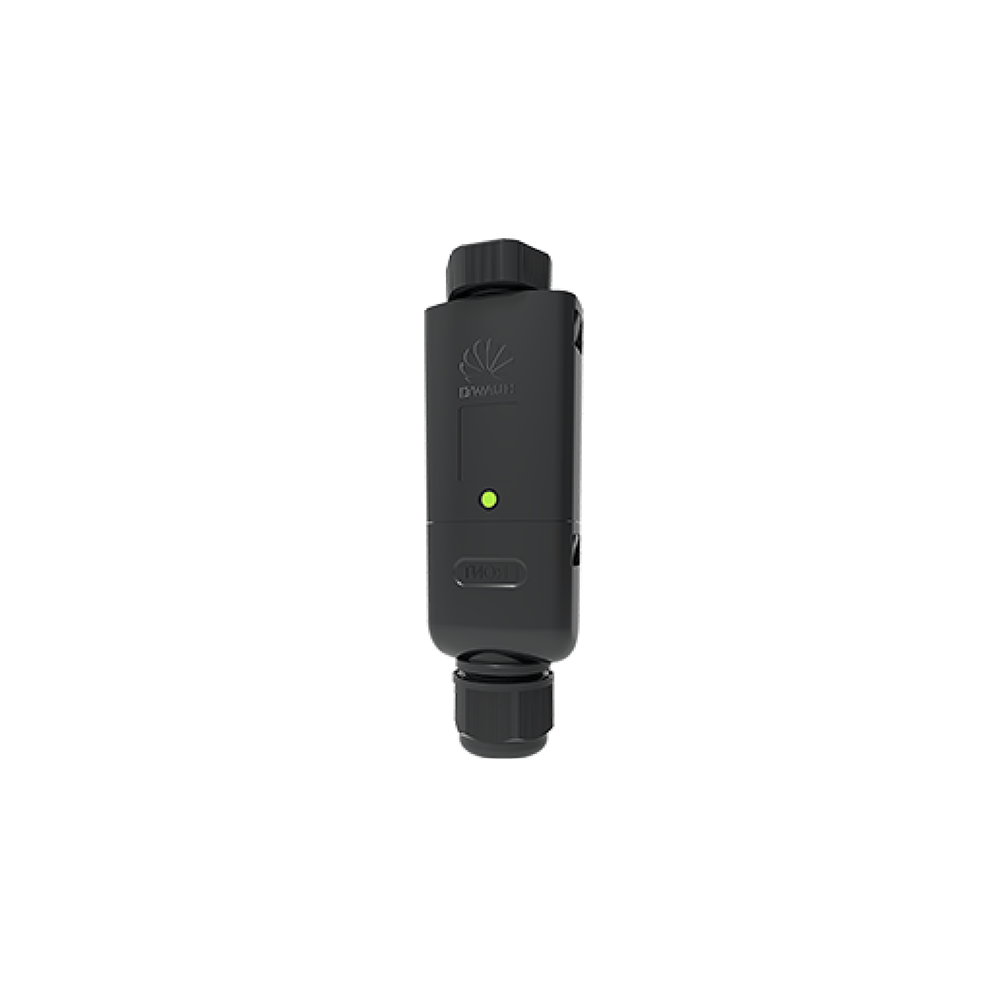
Solar PV systems require minimal maintenance, typically limited to cleaning panels and occasional
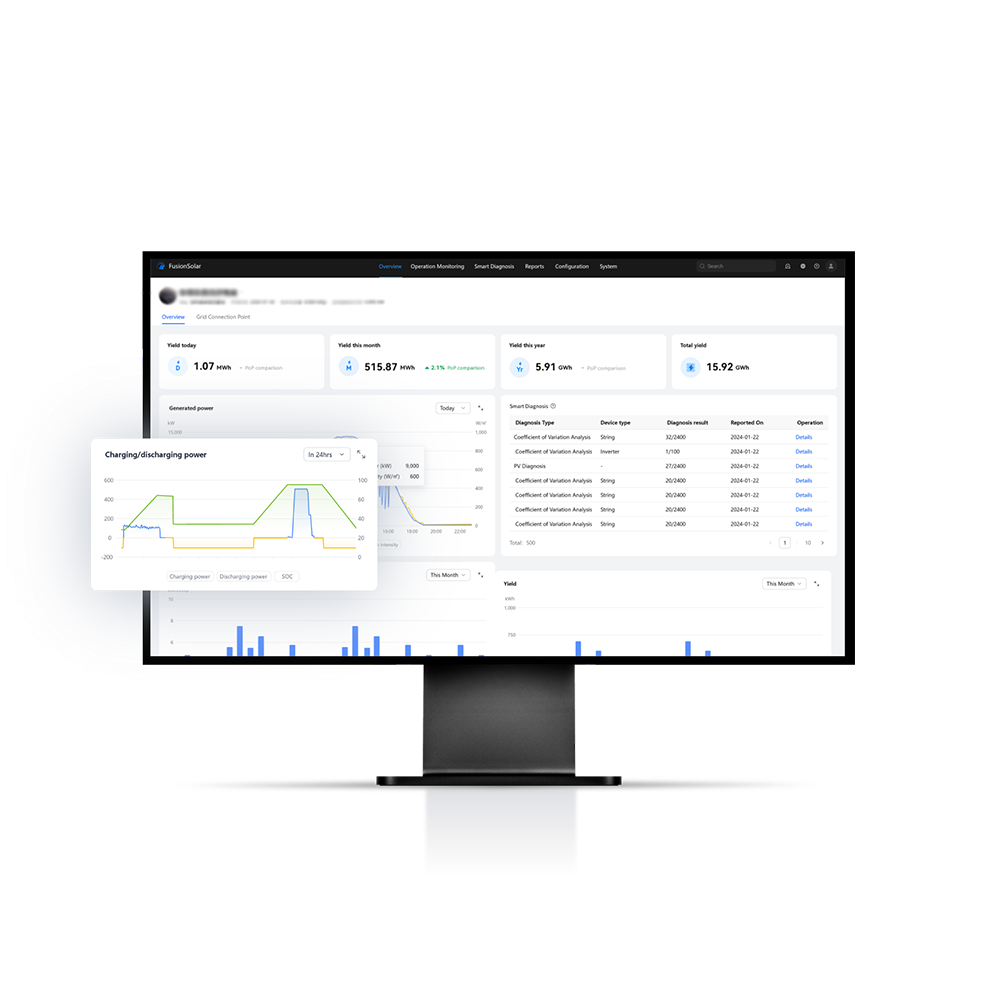
inspections. Monitoring systems can alert users to performance issues, ensuring timely repairs. Regular
maintenance not only extends the lifespan of the PV system but also enhances the efficiency of solar rooftop
solutions by keeping panels clean and functioning optimally.
Can I go completely off-grid with a solar solution?
Yes, but it requires sufficient battery storage and potentially a backup generator to ensure a reliable
power supply.