




Frequently Asked Questions
Can I afford to go solar?

If you can manage your monthly electricity bill, you can likely afford to switch to solar energy. Many regions now offer $0-down solar financing options, allowing homeowners with good credit to start their green transition immediately. Going solar has never been easier or more accessible!
How does going solar save me money?
Switching to solar energy means you can generate your own electricity at home. This can significantly reduce your reliance on your utility company, so you might find yourself buying much less power—or even none at all!
Plus, if your solar system produces more electricity than you use, some utility companies will pay you for that excess power through a system called net metering. Depending on where you live, you might also be eligible for local rebates and tax credits that can further boost your savings.
Your total savings will vary based on factors like your current electricity rates, but for most homeowners, investing in solar is a smart financial move!
Plus, if your solar system produces more electricity than you use, some utility companies will pay you for that excess power through a system called net metering. Depending on where you live, you might also be eligible for local rebates and tax credits that can further boost your savings.
Your total savings will vary based on factors like your current electricity rates, but for most homeowners, investing in solar is a smart financial move!
Will solar panels boost my property value?
Research shows that homes with solar energy systems tend to sell for higher prices compared to those without. It's important to note that to truly benefit from this increase in property value, you should own your solar panels instead of leasing them. In fact, in many areas, investing in solar can boost your home’s value even more than a kitchen renovation! However, keep in mind that the exact increase in value can vary based on your location, local electricity prices, and the ownership status of the solar system.
Can solar power my whole property?
Choosing a solar energy system depends on how much energy you need and the details of your property. You can customize many systems to cover all your daily energy use, but it's also fine to pick one that only meets part of your needs. Even a smaller system can help you save on your energy bills and reduce your impact on the environment. Whether you want total coverage or just a little help, solar power can be a smart choice for your home.
What determines the performance of solar panels?
When it comes to getting the best performance from your solar panels, there are a few key factors to keep in mind:
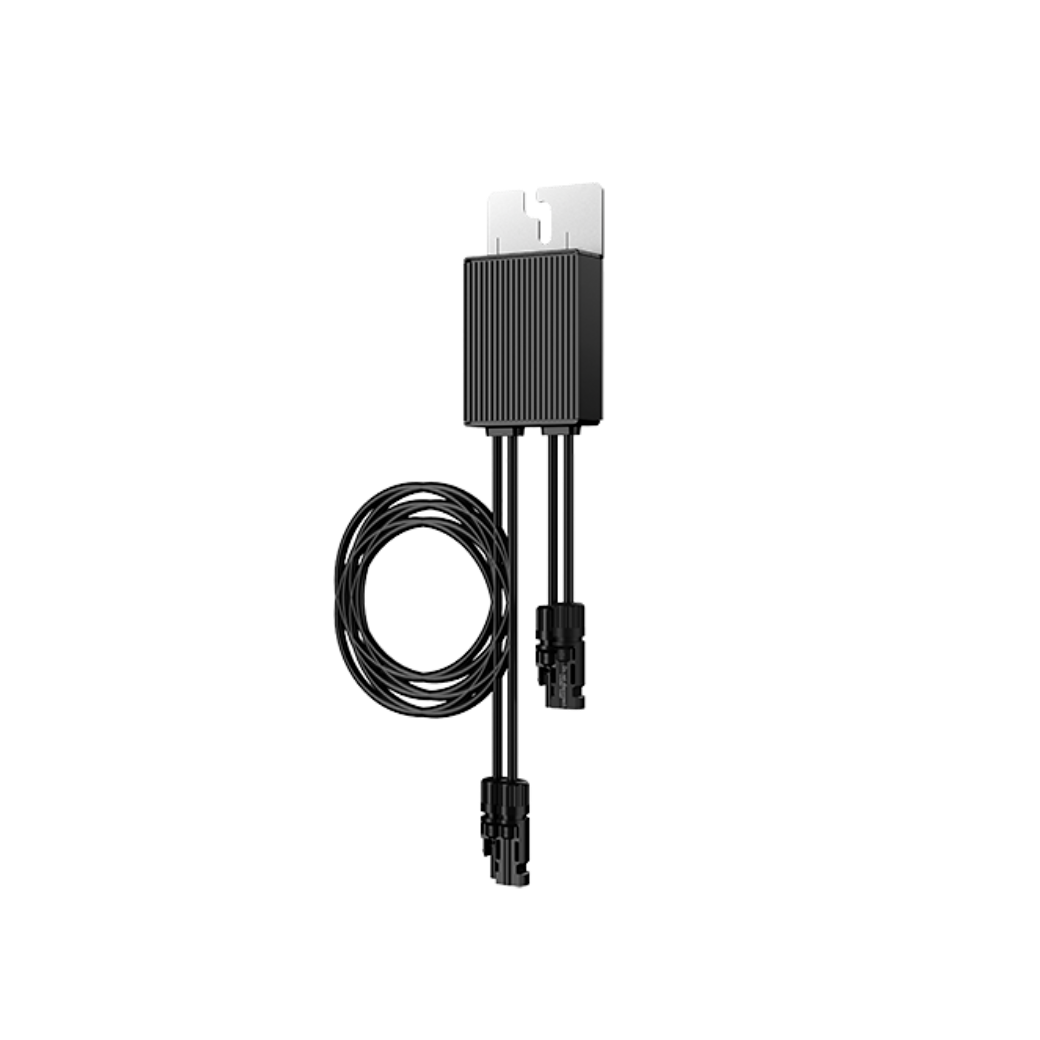
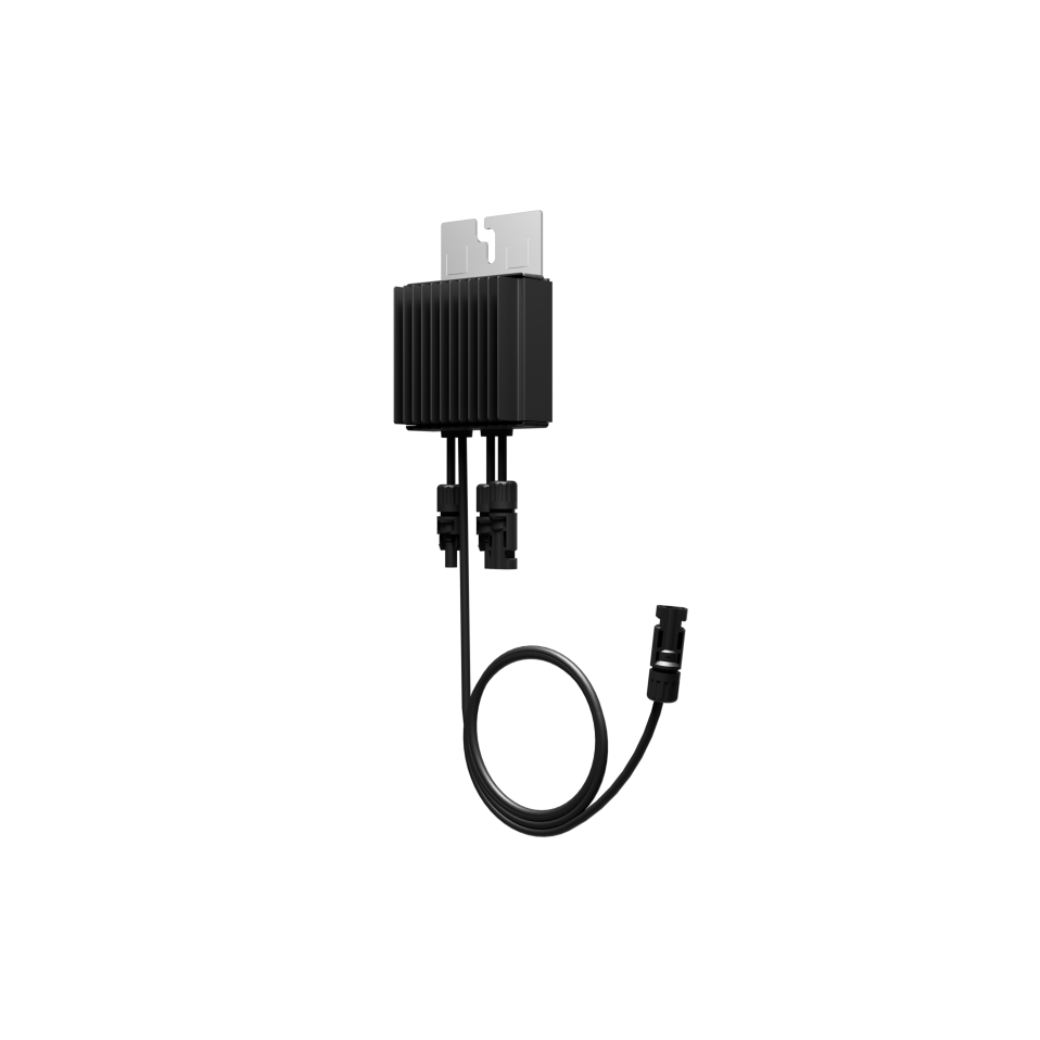
1. Shading: Even a small shadow can impact how much energy your panels generate. If you’re dealing with shading, using microinverters or optimizers can help by isolating underperforming panels.
2. Heat: Higher temperatures can reduce the voltage in solar cells, which means they produce less energy. To help keep your panels cool, consider installing them in a way that allows for good airflow underneath.
3. Soiling: Dust, leaves, and other debris can block sunlight from reaching your solar panels. Regular cleaning can help boost their performance and keep them working efficiently.
4. Orientation and Tilt: To achieve more energy production, your solar panels should ideally face south if you’re in the Northern Hemisphere. Tilting them at an angle close to your local latitude can also help maximize their exposure to sunlight throughout the year.
5. System Quality: The quality of the installation and wiring is crucial. A poorly installed system can lead to energy losses or safety concerns, so it's suggested to invest in a high-quality setup.
1. Shading: Even a small shadow can impact how much energy your panels generate. If you’re dealing with shading, using microinverters or optimizers can help by isolating underperforming panels.
2. Heat: Higher temperatures can reduce the voltage in solar cells, which means they produce less energy. To help keep your panels cool, consider installing them in a way that allows for good airflow underneath.
3. Soiling: Dust, leaves, and other debris can block sunlight from reaching your solar panels. Regular cleaning can help boost their performance and keep them working efficiently.
4. Orientation and Tilt: To achieve more energy production, your solar panels should ideally face south if you’re in the Northern Hemisphere. Tilting them at an angle close to your local latitude can also help maximize their exposure to sunlight throughout the year.
5. System Quality: The quality of the installation and wiring is crucial. A poorly installed system can lead to energy losses or safety concerns, so it's suggested to invest in a high-quality setup.
Will installing solar on my home damage the roof?
Not at all. As long as your solar panels are installed by qualified professionals, there’s no need to worry about any damage to your roof's exterior or structure. By choosing a licensed installer like FusionSolar, you can benefit a lot from their extensive training and testing, making them a reliable choice. You can easily check their certification as well. If your roof is in good shape, rest assured that the installation team will deliver a safe and expert installation. This way, you can embrace solar energy with peace of mind!
Will I have solar power at night or on cloudy days?
Sure. Think of the electrical grid as a bank account for your solar energy. During the day, when your solar panels produce more electricity than you use, the surplus goes back to the grid. This creates credits you can draw upon later, such as at night or on cloudy days when your panels are less productive.
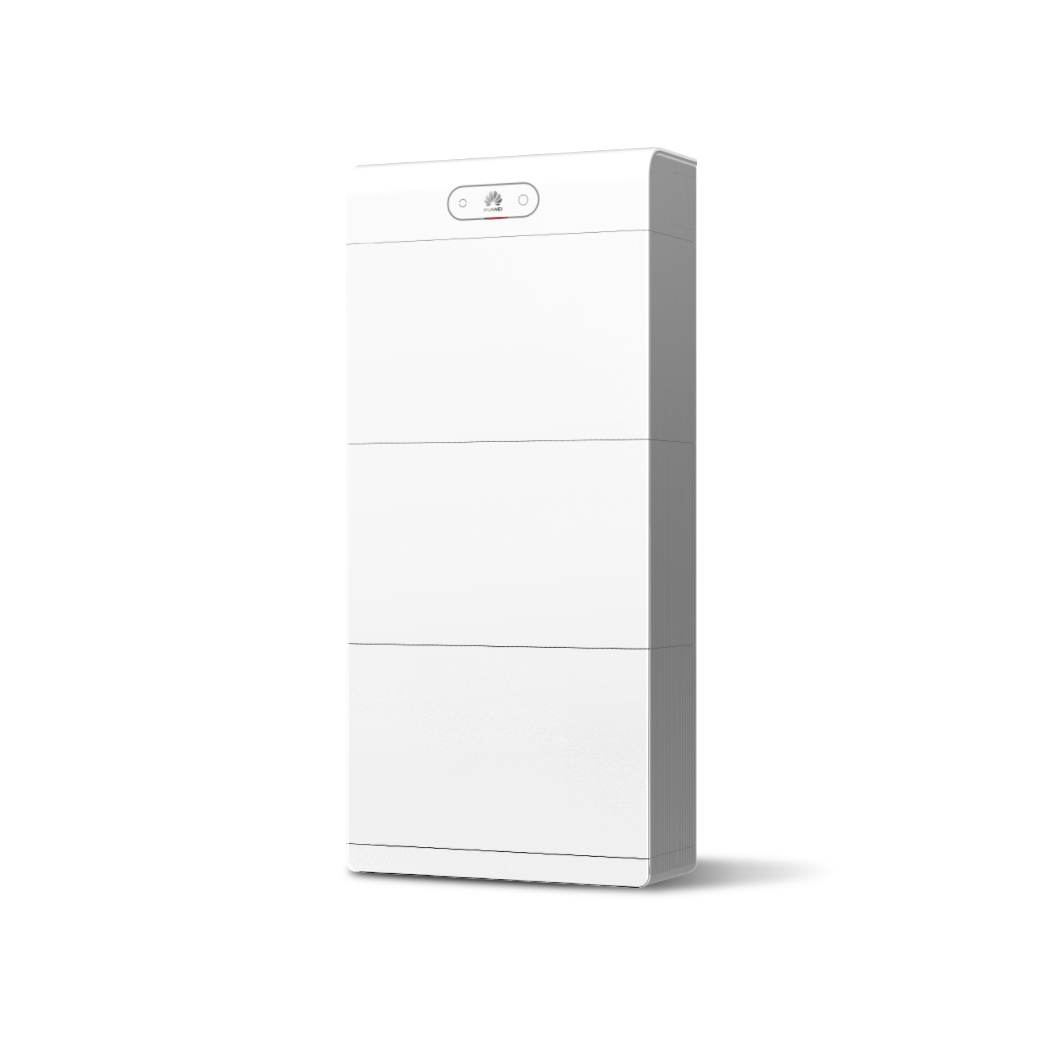
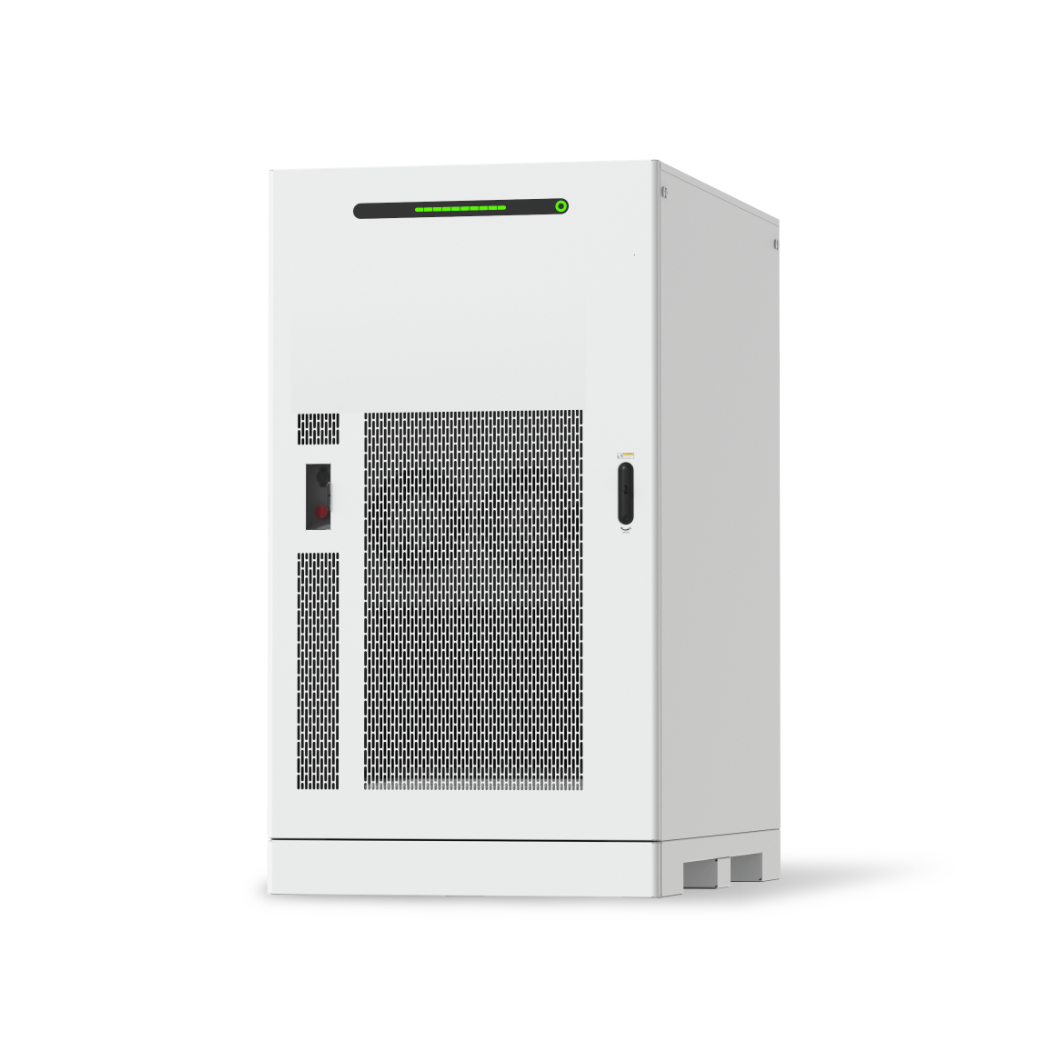
For even better energy management, consider adding an energy storage system to your solar setup. This system allows you to store excess energy. FusionSolar's PV and ESS solution offers intelligent scheduling that optimizes how you use solar energy, storage, and the grid. By considering energy pricing and your daily habits, this approach maximizes efficiency and can help lower your utility bills!
For even better energy management, consider adding an energy storage system to your solar setup. This system allows you to store excess energy. FusionSolar's PV and ESS solution offers intelligent scheduling that optimizes how you use solar energy, storage, and the grid. By considering energy pricing and your daily habits, this approach maximizes efficiency and can help lower your utility bills!
Why should I consider adding batteries to my solar setup?
Adding battery storage to your solar system can really enhance your experience! It allows you to save the extra green energy your solar panels generate during the day for later use at night or during power outages. This way, you can be more self-sufficient with peace of mind.
If you live in an area with time-of-use rates, you can store that cheaper electricity from the afternoon and use it when prices go up in the evening, which can help lower your electric bills. Plus, going partially off-grid can protect you from blackouts and rising utility costs.
While batteries do require an initial investment, they maximize your solar savings over time and keep your home powered when you need it most. It's something worth weighing.
If you live in an area with time-of-use rates, you can store that cheaper electricity from the afternoon and use it when prices go up in the evening, which can help lower your electric bills. Plus, going partially off-grid can protect you from blackouts and rising utility costs.
While batteries do require an initial investment, they maximize your solar savings over time and keep your home powered when you need it most. It's something worth weighing.
How can I prepare for rolling blackouts in my area?
Installing solar panels with battery backup for your home is a wise choice, especially as rolling blackouts become more frequent. These outages are unpredictable, and having solar energy boosts your home's energy resilience, providing peace of mind.
In many areas, utility companies may initiate rolling blackouts during extreme weather or fire threats to ensure safety and grid stability.
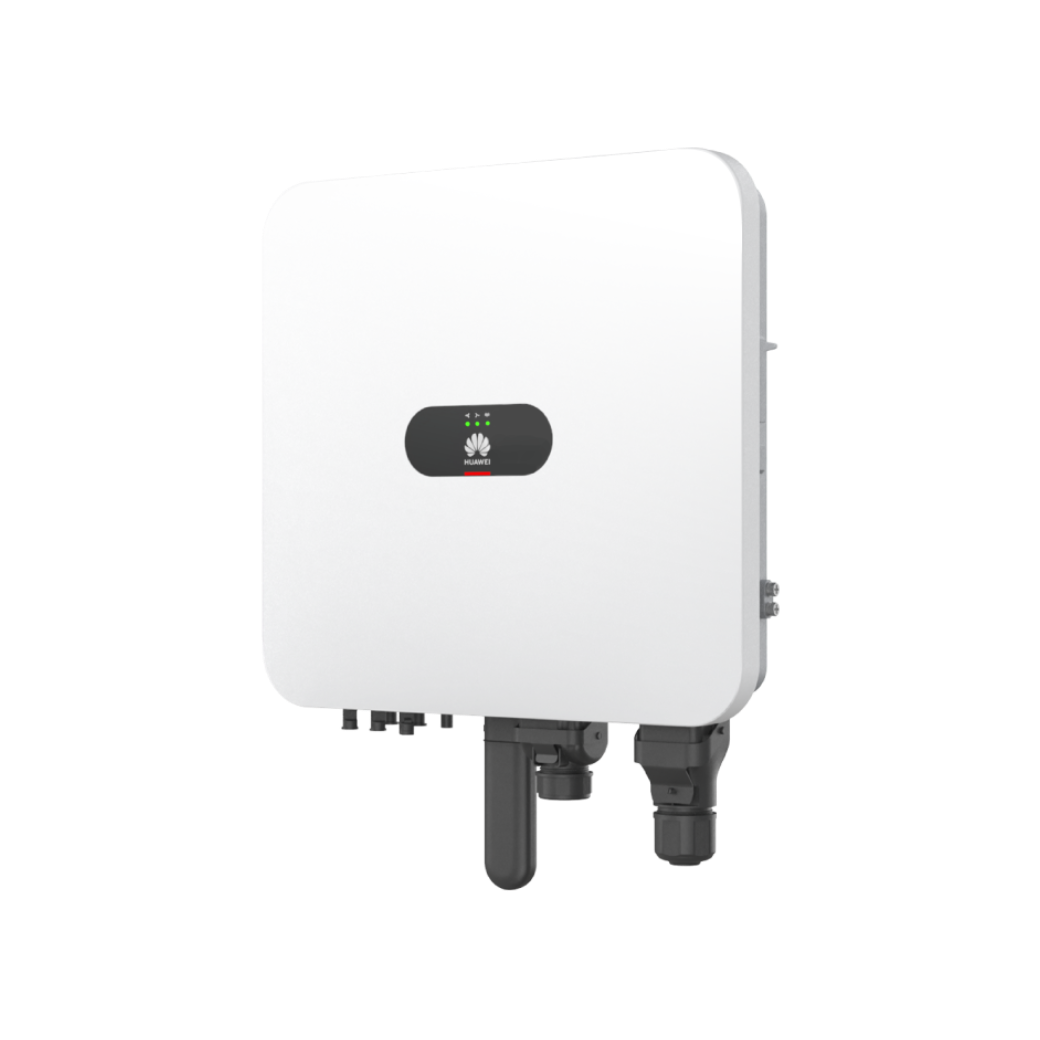
If you want to ensure your home remains powered during a planned outage, winter storm, or hurricane, traditional fuel-powered generators may not be the best solution. Instead, consider a FusionSolar PV and Energy Storage System (ESS). This option delivers a safe and dependable way to keep your home functioning smoothly, even when the grid is down.
In many areas, utility companies may initiate rolling blackouts during extreme weather or fire threats to ensure safety and grid stability.
If you want to ensure your home remains powered during a planned outage, winter storm, or hurricane, traditional fuel-powered generators may not be the best solution. Instead, consider a FusionSolar PV and Energy Storage System (ESS). This option delivers a safe and dependable way to keep your home functioning smoothly, even when the grid is down.
Show all FAQs
Collapse
