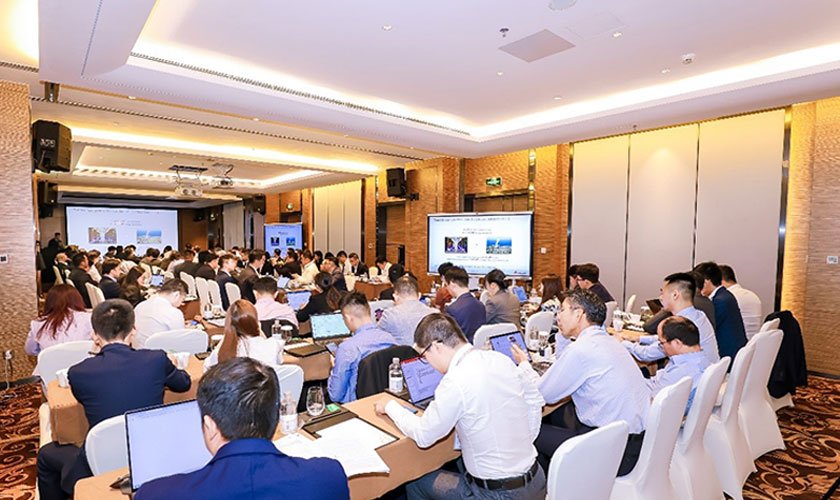
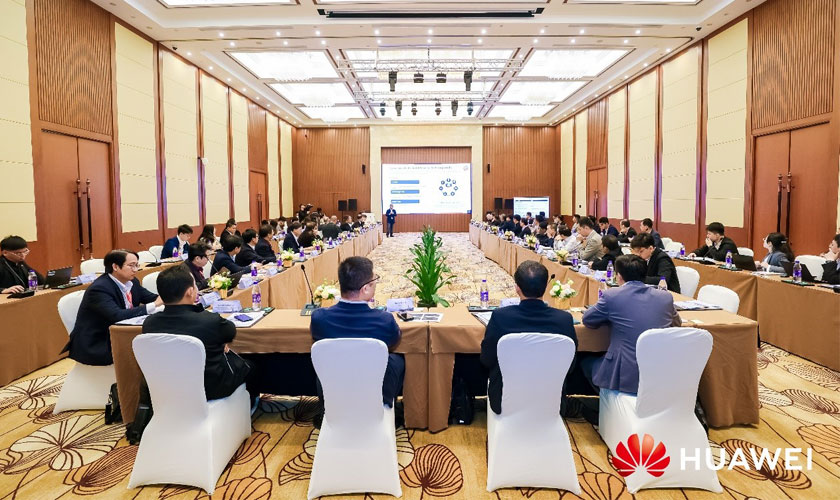
[Shenzhen, China, October 25, 2024] – Huawei Digital Power Asia-Pacific successfully concluded its Smart PV
Technology Workshop with a focus on Battery Energy Storage System (BESS) safety, held from October 23 to 25,
2024, in Shenzhen. This three-day event attracted top industry leaders and professionals from across the
Asia-Pacific region, reinforcing Huawei's commitment to contributing positively to the renewable energy and
energy storage industries.
During the Smart PV Technology Workshop, Steve Zheng, President of Utility Smart ESS
Business, Huawei Digital Power, delivered a welcome speech that outlined Huawei's vision and commitment to
enhancing BESS safety and technology in the renewable energy sector. “As nations progress towards their
clean energy goals, BESS plays an important role to facilitate this transitioning process smoothly, enabling
us to store energy from renewable sources and ensuring a stable power supply in variable weather conditions
and to provide ancillary services to the grid to maintain grid stability. With this growth comes a pressing
responsibility. We must prioritize safety and resilience in our designs to prevent incidents that could harm
individuals or disrupt our power supply,” he said.
The attendees reached a consensus that energy storage solutions still carry inherent uncertainties due to
their intrinsic properties, and smaller, localized safety control units enhance overall system safety.
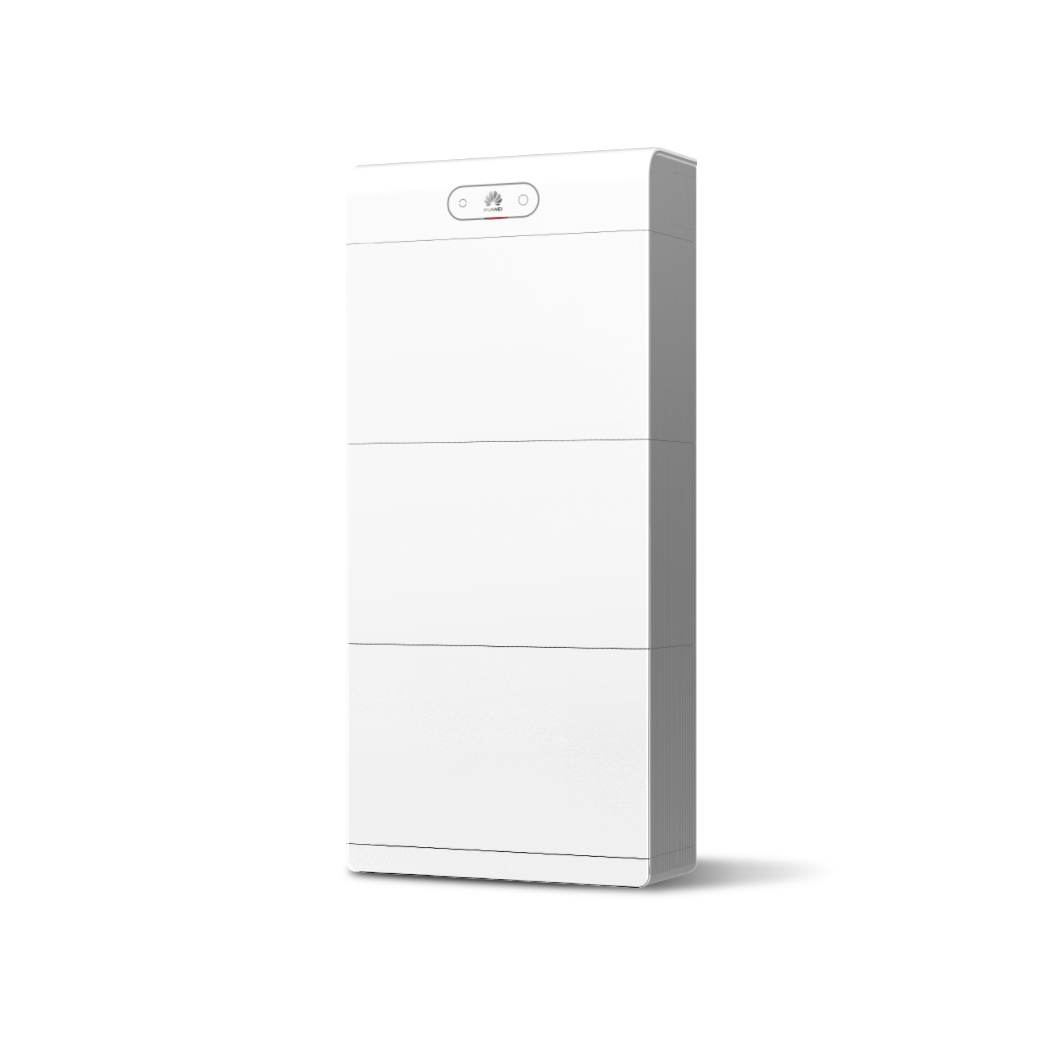
Huawei Digital Power employs a "pack-level thermal runaway non-propagation" design,
implementing layered protection from the cell to the network level. This approach combines preventive and
mitigation measures to minimize the likelihood of thermal runaway. Additionally, by leveraging a Battery
Management System (BMS) with full-chain, multi-dimensional intelligent diagnostics, Huawei significantly
enhances the system’s proactive safety capabilities. This comprehensive strategy supports the sustainable
development of the energy storage industry.
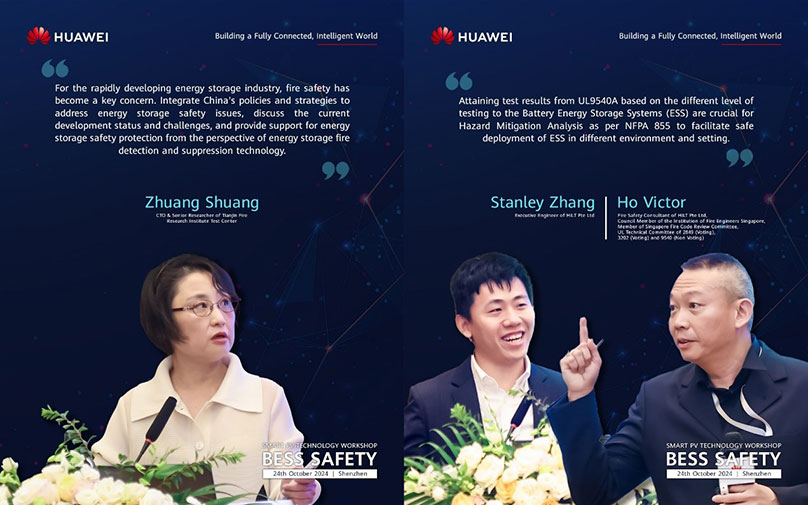
Figure 1: (From the left) Zhuang Shuang, CTO & Senior Researcher of Tianjin Fire
Science and Technology Research Institute Test Center, followed with a presentation titled "Fire Suppression
and Control Technology for Battery Energy Storage Systems. Ho Victor, Fire Safety
Consultant of HiLT Pte Ltd, Council member of the Institution of Fire Engineers, Singapore, and Member of
Singapore Fire Code Review Committee, alongside Stanley Zhang Chenyu, Executive Engineer of
HiLT Pte Ltd, delivered an insightful session titled "The Precaution Measures for Lithium-Ion Battery
Safety.
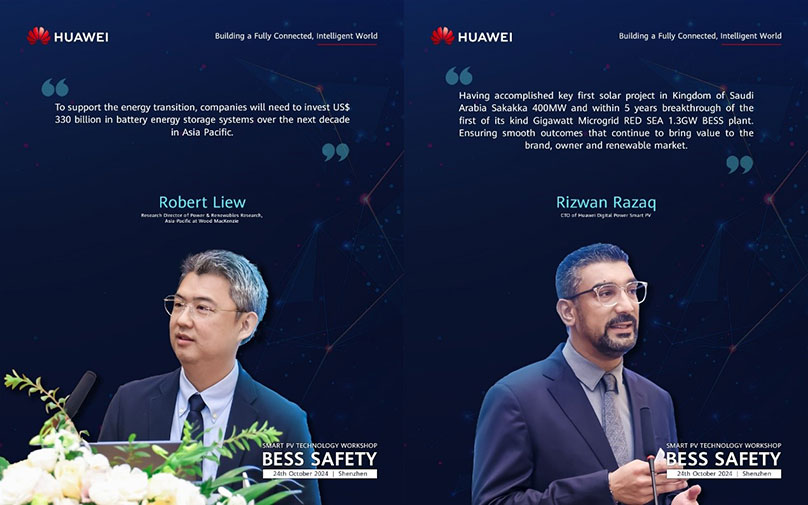
Figure 2: (From the left) Robert Liew, Research Director of Power & Renewables
Research, Asia-Pacific at Wood MacKenzie, provided a broad market perspective with his talk on "Global
Energy Storage Outlook & Asia’s Energy Transition. Rizwan Razaq, CTO of Huawei Digital
Power Smart PV, presented "Huawei BESS Safety Solution: Red Sea Solar & ESS Microgrid 1.3 GW Project
Analysis.
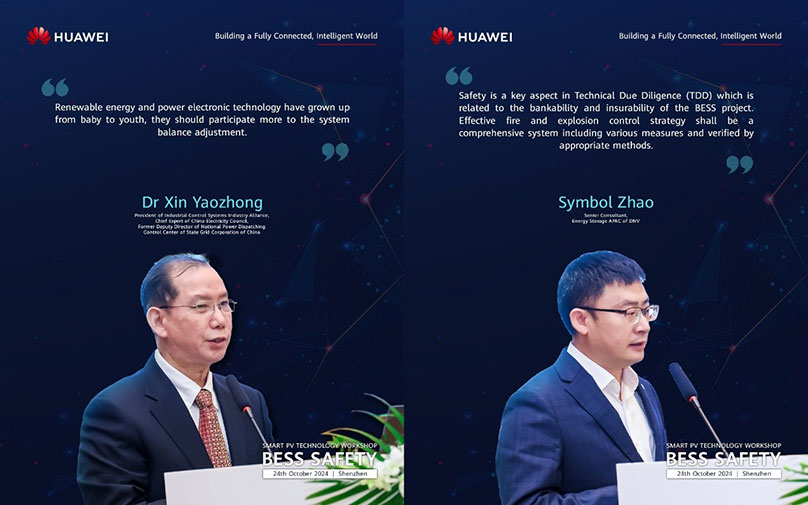
Figure 3: Dr. Xin Yaozhong, President of Industrial Control Systems Industry Alliance,
Chief Expert of China Electricity Council, and Former Deputy Director of National Power Dispatching Control
Center of State Grid Corporation of China, presented on "New Power System Operation Control. Jialin
(Symbol) Zhao, Senior Consultant, Energy Storage APAC of DNV, delivered a session titled
"Safety Review in Battery Energy Storage System (BESS) Technical Due Diligence.
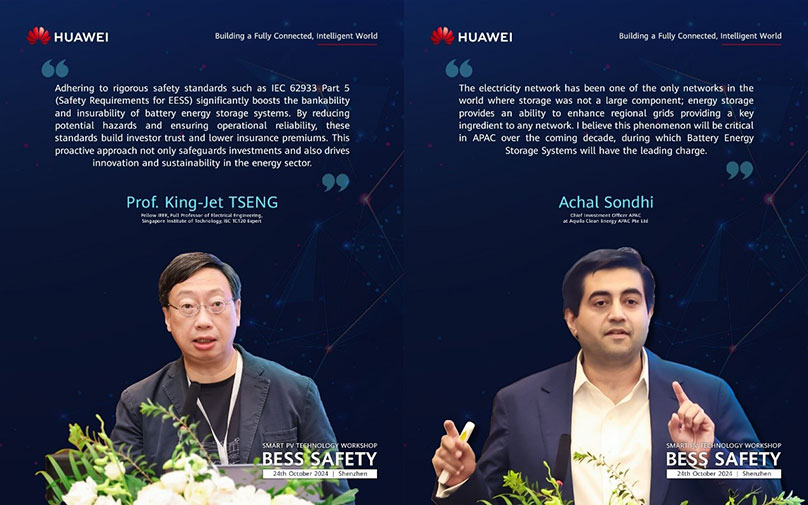
Figure 4: Prof. King-Jet TSENG, Fellow IEEE, Full Professor of Electrical Engineering,
Singapore Institute of Technology, IEC TC120 Expert, presented "IEC 62933 Part 5: Electrical Energy Storage
(EES) Systems - Safety Considerations For Grid-Integrated ESS Systems. Achal Sondhi, Chief
Investment Officer APAC at Aquila Clean Energy APAC Pte Ltd, gave a talk titled "Acceleration of BESS in
APAC and Commercial Models Enabling It.
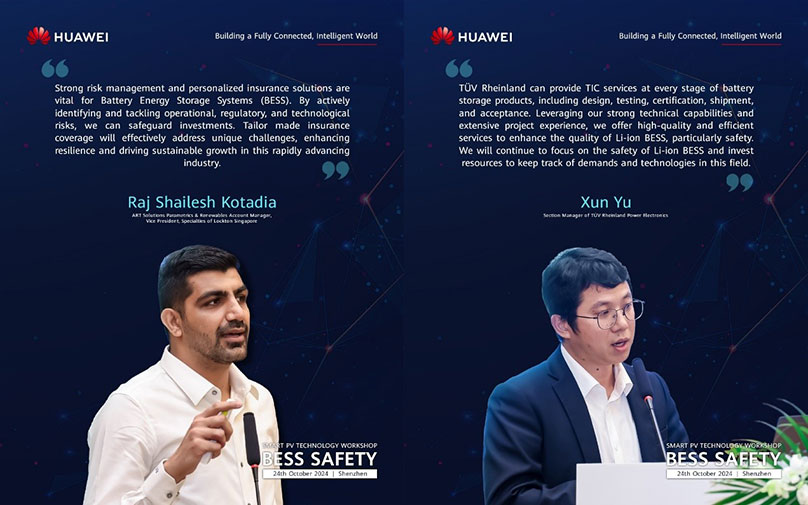
Figure 5: Raj Shailesh Kotadia, ART Solutions Parametrics & Renewables Account Manager,
Vice President, Specialties of Lockton Singapore, spoke on "Safeguarding Energy Storage: Risk Management and
Insurance Solutions. Xun Yu, Section Manager of TÜV Rheinland Power Electronics, discussed
"Safety Evaluation of Li-ion Battery Energy Storage Systems.
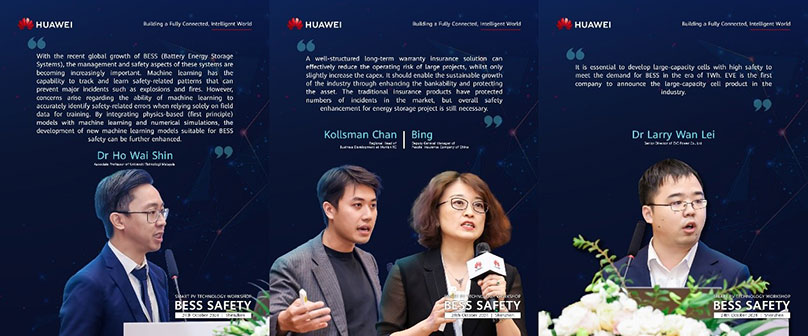
Figure 6: Dr. Ho Wai Shin, Associate Professor of UTM, delivered a compelling presentation
on the "Role of Machine Learning and Artificial Intelligence in BESS Management and Safety. Kollsman
Chan, Regional CEO of Munich RE, alongside Bing, Deputy General Manager of
People’s Insurance Company of China, presented on "Insurance Views on Battery Quality and Safety.
Dr. Larry Wan Lei, Senior Director of EVE Power Co., Ltd, explored "ESS Battery Cells:
Safety Challenges and Solutions.
On the final day of the event, an expert roundtable provided a platform for in-depth discussions on the
practical applications of BESS technology across various sectors, including residential, commercial &
industrial and utility-scale projects. Moderated by Teo Han Guan, Industry Development Manager at Huawei
Digital Power APAC, the panel featured prominent industry leaders, including Prof. King-Jet TSENG, Fellow
IEEE and Full Professor of Electrical Engineering at the Singapore Institute of Technology; Symbol Zhao,
Senior Consultant for Energy Storage APAC at DNV; Achal Sondhi, Chief Investment Officer APAC at Aquila
Clean Energy APAC Pte Ltd; Raj Shailesh Kotadia, ART Solutions Parametrics & Renewables Account Manager
and Vice President of Specialties at Lockton Singapore; Xun Yu, Section Manager of TÜV Rheinland Power
Electronics; and Kollsman Chan, Regional Head of Business Development at Munich RE.
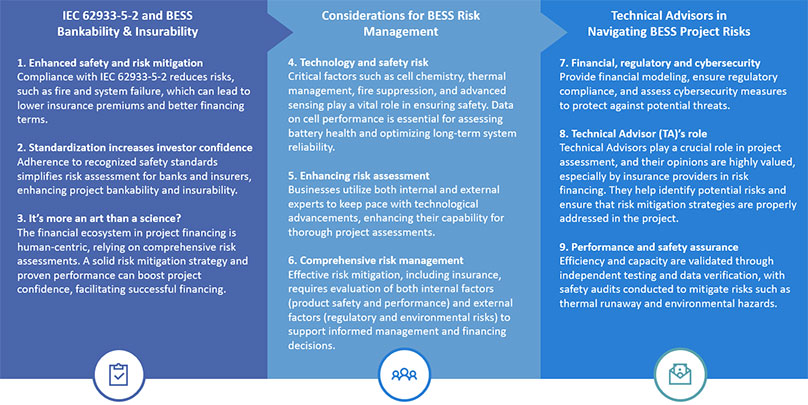
Figure 6: Summary recap of the roundtable discussion
The roundtable discussion built on Smart PV Technology Workshop’s insights, emphasizing the critical role of
safety, risk mitigation, and regulatory compliance in energy projects. Participants underscored how
adherence to IEC standards can reduce risks and improve insurability, while standardization fosters investor
confidence. The group discussed the impact of advanced safety technologies on long-term reliability and
stressed the need for comprehensive risk management, covering cybersecurity, regulatory adherence, and
financial modeling. Technical Advisors’ input was highlighted as key to thorough risk assessment, with
independent validation and safety audits essential to addressing risks like thermal runaway. These measures
support sustainable and financeable energy projects.
As we move forward, Huawei is committed to playing our part in advancing the renewable energy industry. We
believe that through collaboration and innovation, we can address today’s challenges and contribute to a
sustainable future. Together with our partners, we aspire to create meaningful solutions that benefit not
just businesses, but communities around the world.