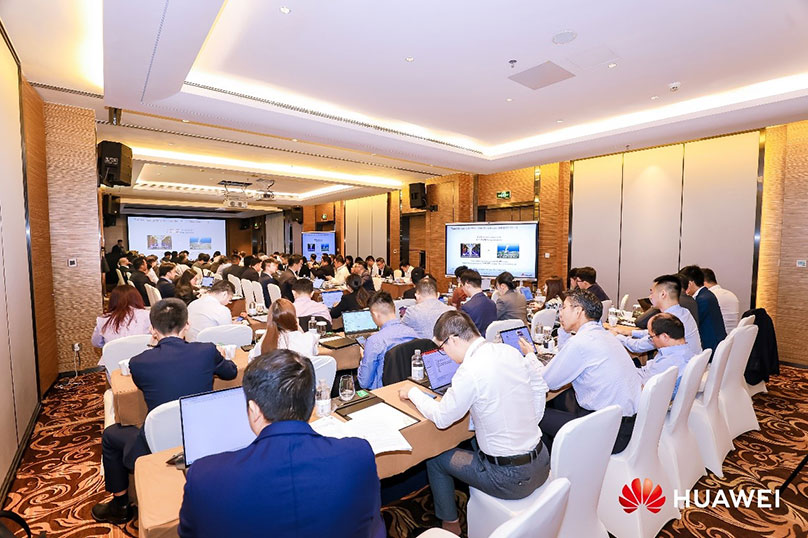
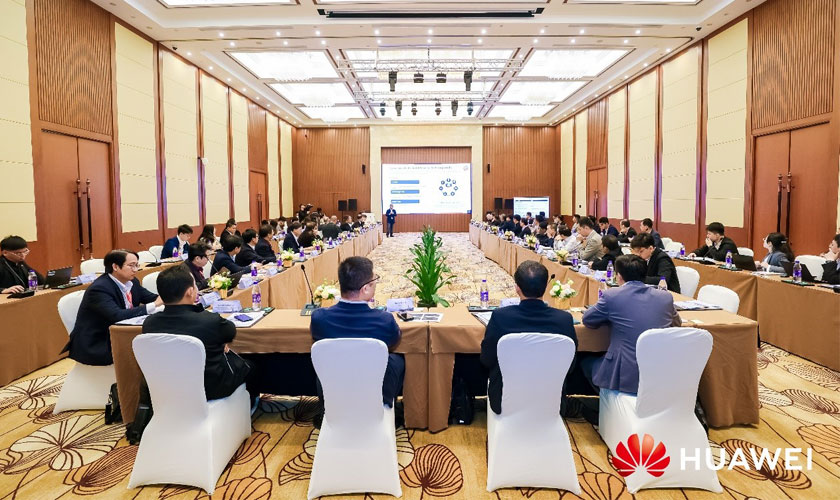
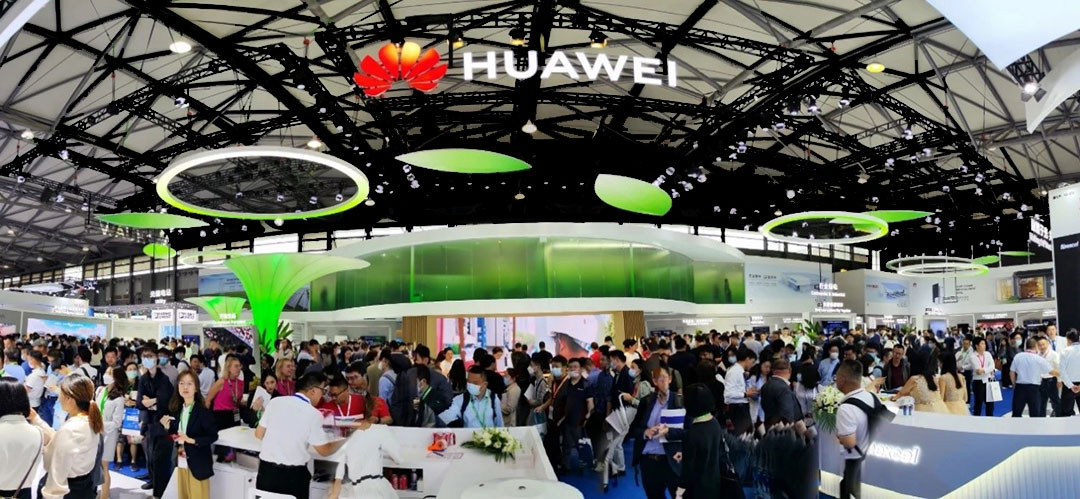
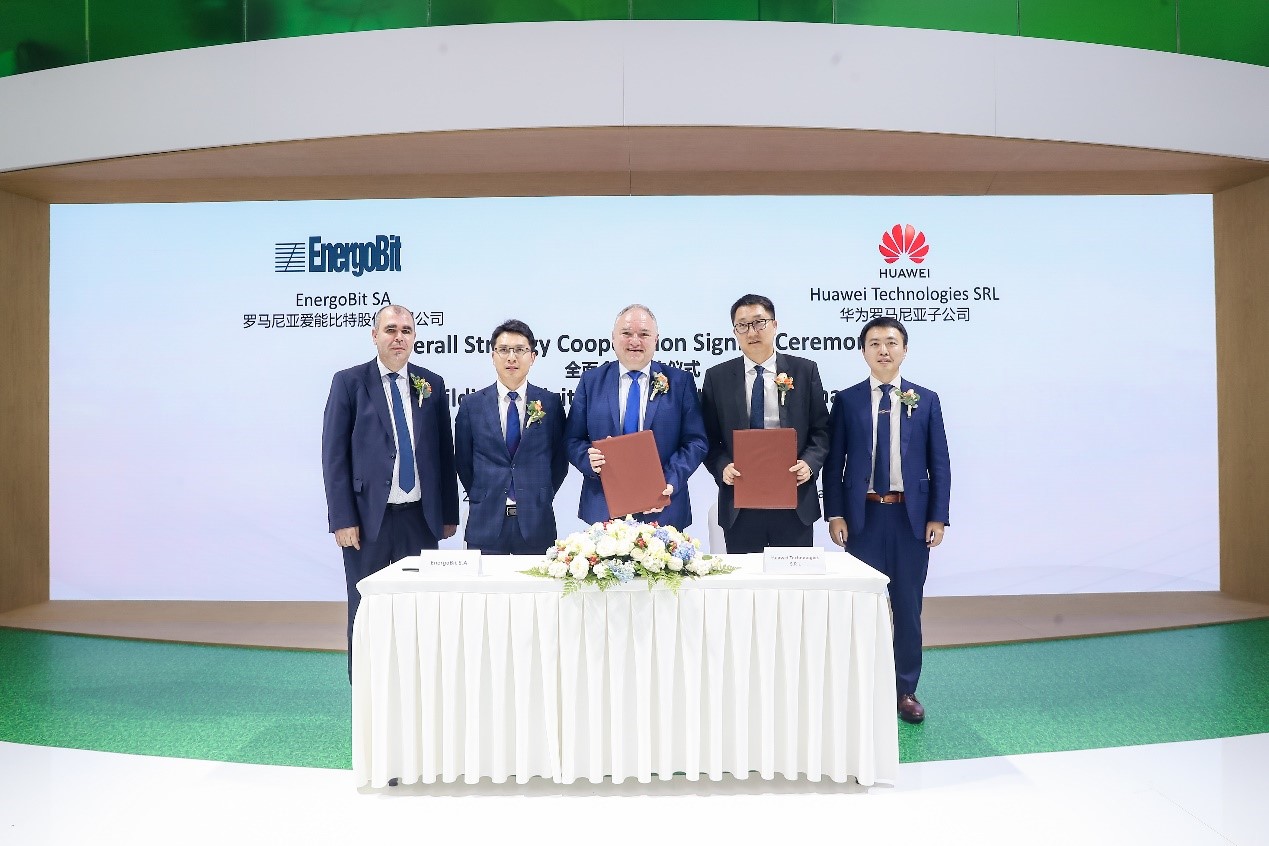
[Shenzhen, China, August 1, 2024] - Huawei FusionSolar APAC Smart PV Technology Workshop, centered on
"Grid-Forming Smart Renewable Energy Generator Solution" was a resounding success. The event brought
together leading operators, industry leaders, and experts from the APAC region to share cutting-edge
perspectives, the latest insights, and successful practices aimed at enhancing grid-forming technology. The
goal was to foster collaboration and innovation, driving advancements that address the challenges of
integrating renewable energy into the grid, and to support the region's transition to a more sustainable and
resilient power system.
Dr. Fang Liangzhou, President of Marketing and Sales Service Strategy & Marketing Dept, Huawei Digital
Power, delivered a welcome speech, setting the tone for an engaging and informative event. Dr. Fang
highlighted the challenges posed by increased PV penetration, including instability and complex technical
issues due to the intermittency of renewable energy. The fluctuating nature of renewable energy can cause
grid frequency imbalances, necessitating load shedding to protect the grid. Grid-forming technology is
emerging as the mainstream solution to ensure grid stability with high renewable energy penetration. Huawei
is positioned at the forefront of this development, committed to pushing the boundaries of this technology
to achieve sustainable energy goals.
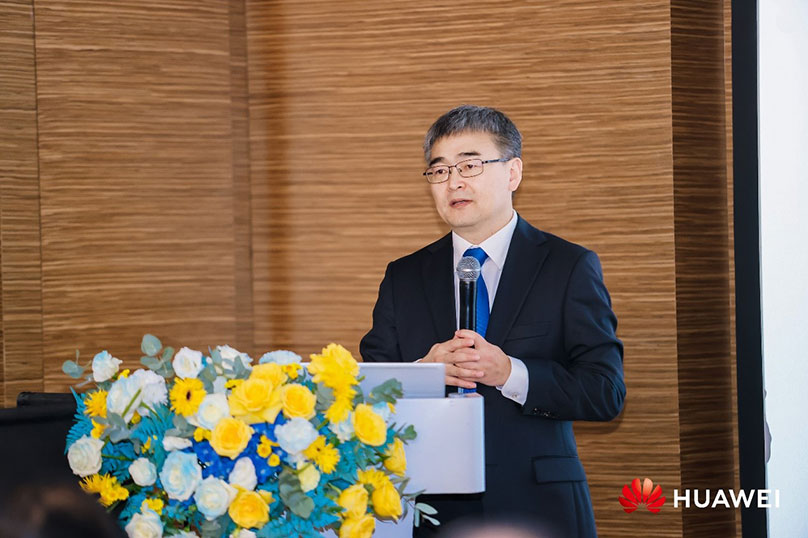
Figure 1: Dr. Fang Liangzhou, President of Marketing and Sales Service Strategy & Marketing Dept,
Huawei Digital Power, delivered a welcome speech.
Prihastya Wiratama, Project Manager of ASEAN Power Interconnection, Fossil Fuel, Alternative Energy, and
Storage of the ASEAN Centre for Energy (ACE), shared valuable insights in his presentation titled "RE
Integration Potential in ASEAN Power Grid." He highlighted that ACE promotes regional cooperation to advance
energy sectors across ASEAN, focusing on enhancing security, accessibility, affordability, and
sustainability. Key initiatives include developing the ASEAN power grid and increasing renewable energy
shares to 23% of total primary energy supply and 35% of installed power capacity by 2025.
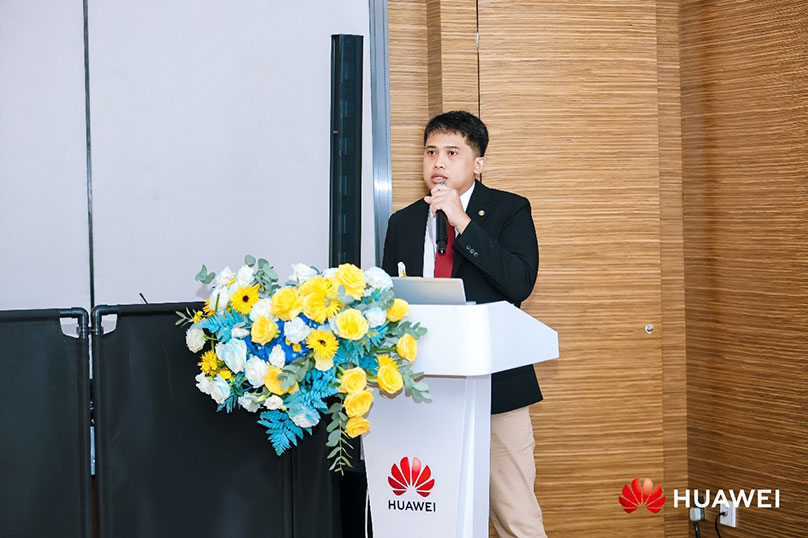
Figure 2: Prihastya Wiratama, Project Manager of ASEAN Power Interconnection, Fossil Fuel,
Alternative Energy, and Storage of the ASEAN Centre for Energy (ACE), presented on "RE Integration
Potential in ASEAN Power Grid".
Dr. Liu Yunfeng, Chief Scientist of Huawei Digital Power, delivered an enlightening presentation titled
"Future Semiconductor Power System and Grid-Forming Technology." He provided a comprehensive overview of the
evolving energy landscape, highlighting the growth of solar power and the integration of semiconductors in
energy systems. Dr. Liu focused on challenges like transient stability and inertia in large-scale renewable
integration, emphasizing the crucial role of energy storage. He also discussed NREL's research roadmap and
global trends in grid-forming inverter technology, showcasing successful case studies such as a smart PV and
energy storage system in Qinghai, China. Dr. Liu's insights offered a forward-looking perspective on
semiconducting power systems and grid-forming technology.
“The Increasing demand of large-scale renewable energy has driven the solution to be more environmentally
friendly and decarbonized. However, there are more technical challenges surfacing, one being the grid
stability of existing power infrastructure. Grid-forming technology is one of the reliable solutions to
resolve the increasing penetration of intermittent renewable energy sources. With the integration of this
technology, the grid can support more intermittent renewable power resources feed into the grid. “He
emphasized.
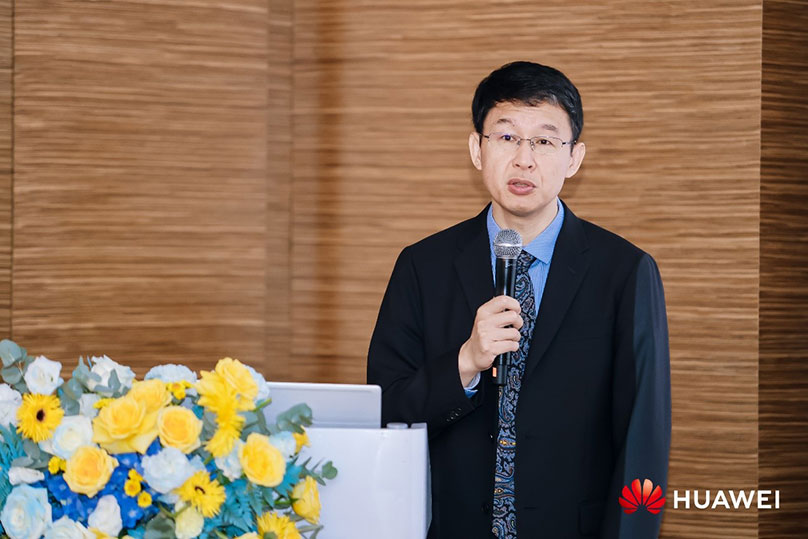
Figure 3: Dr. Liu Yunfeng, Chief Scientist of Huawei Digital Power, delivered an enlightening
presentation titled "Future Semiconductor Power System and Grid-Forming Technology".
Huawei's Grid-Forming Smart Renewable Energy Generator Solution for Enhanced Stability and
Reliability
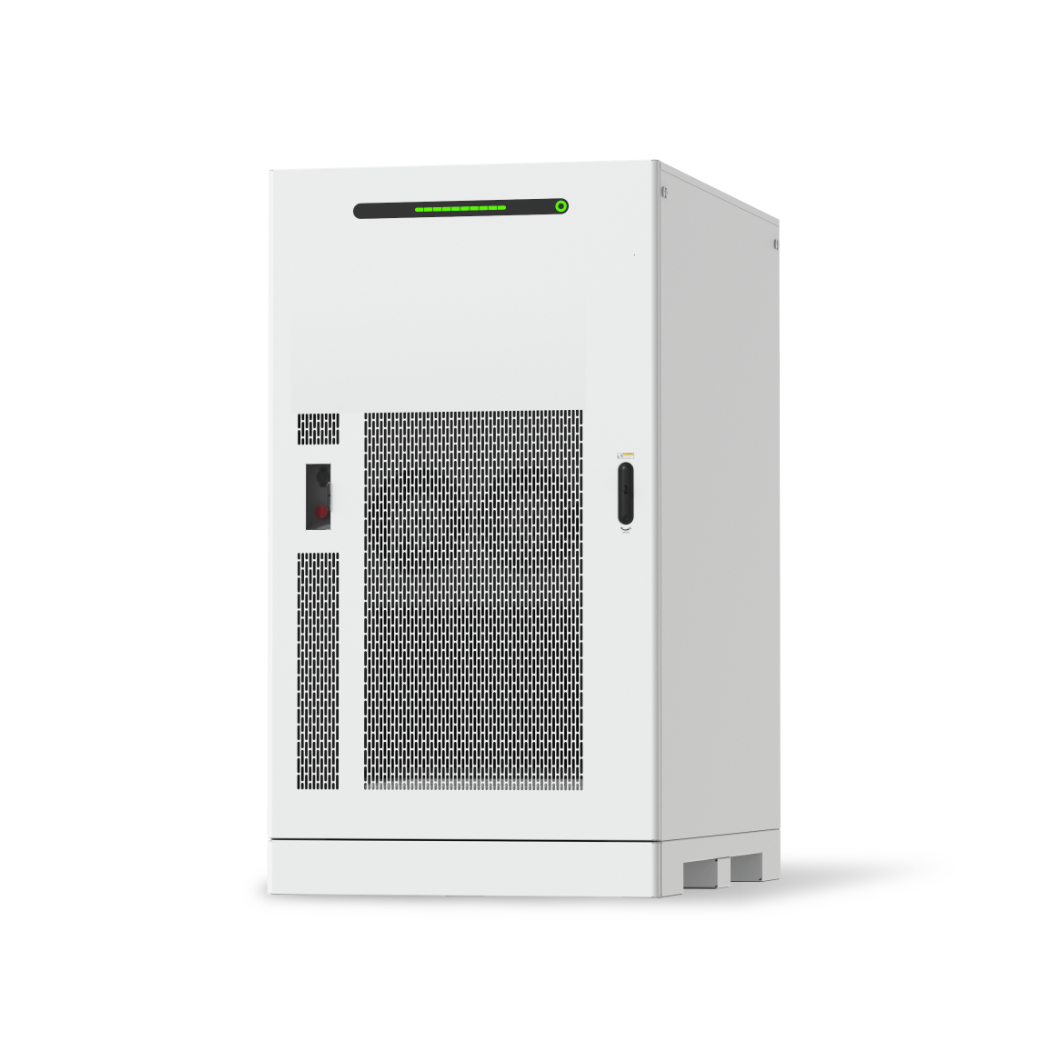
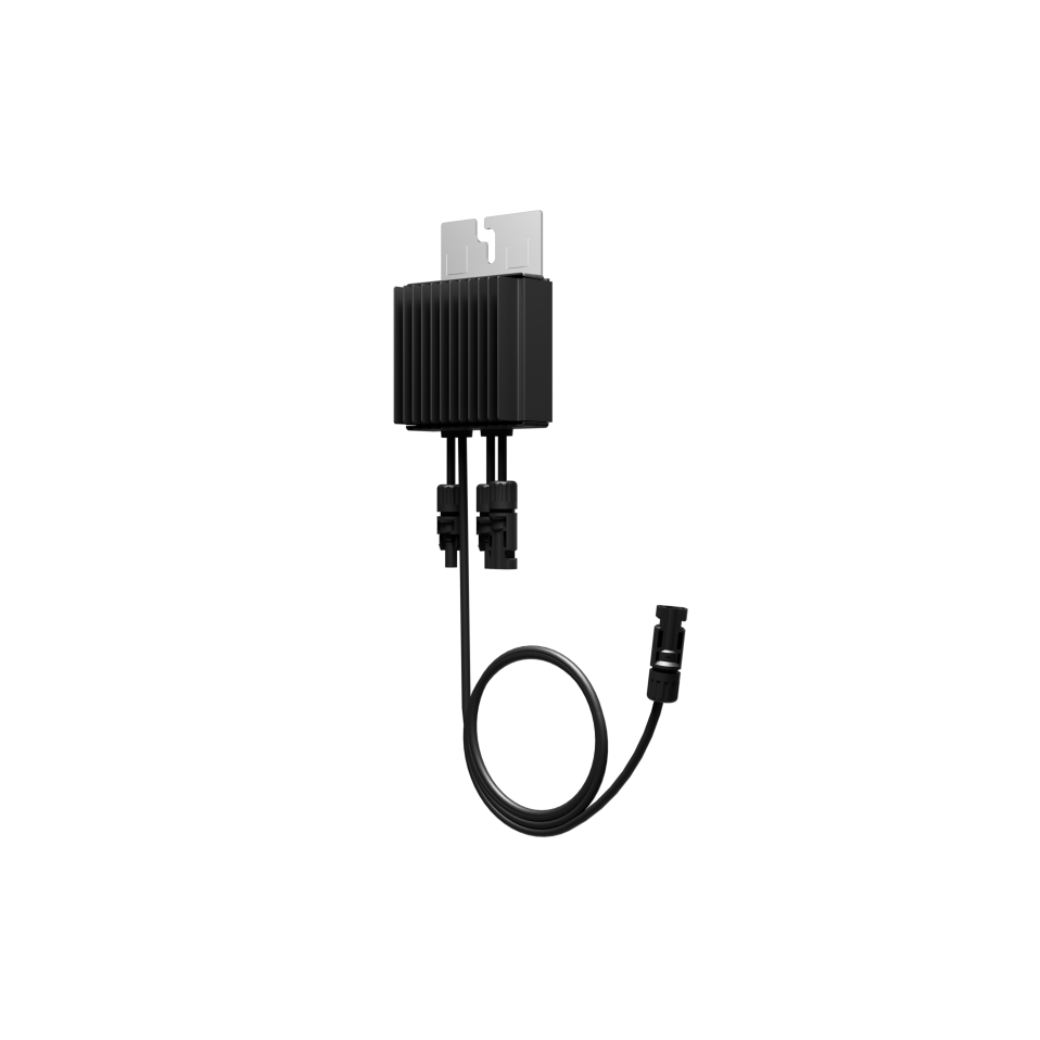
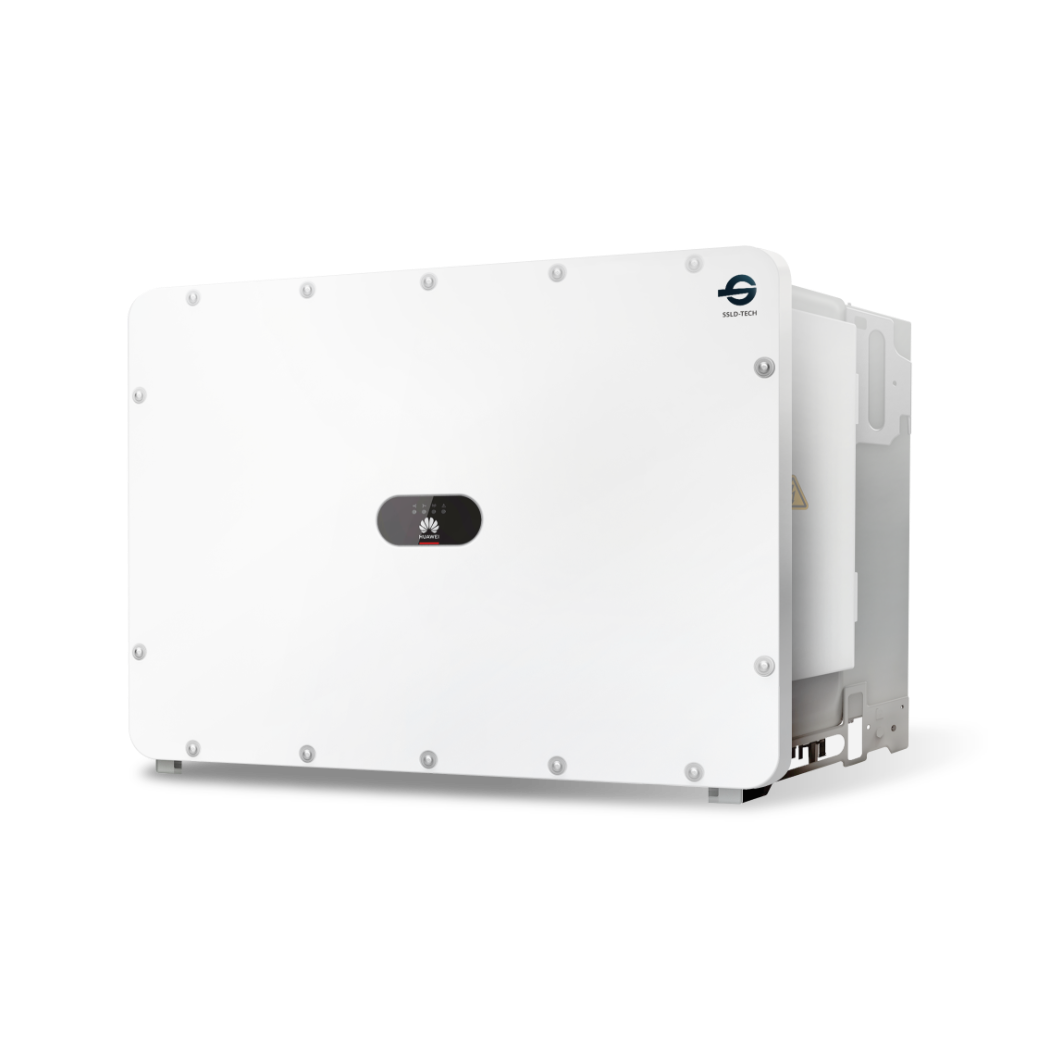
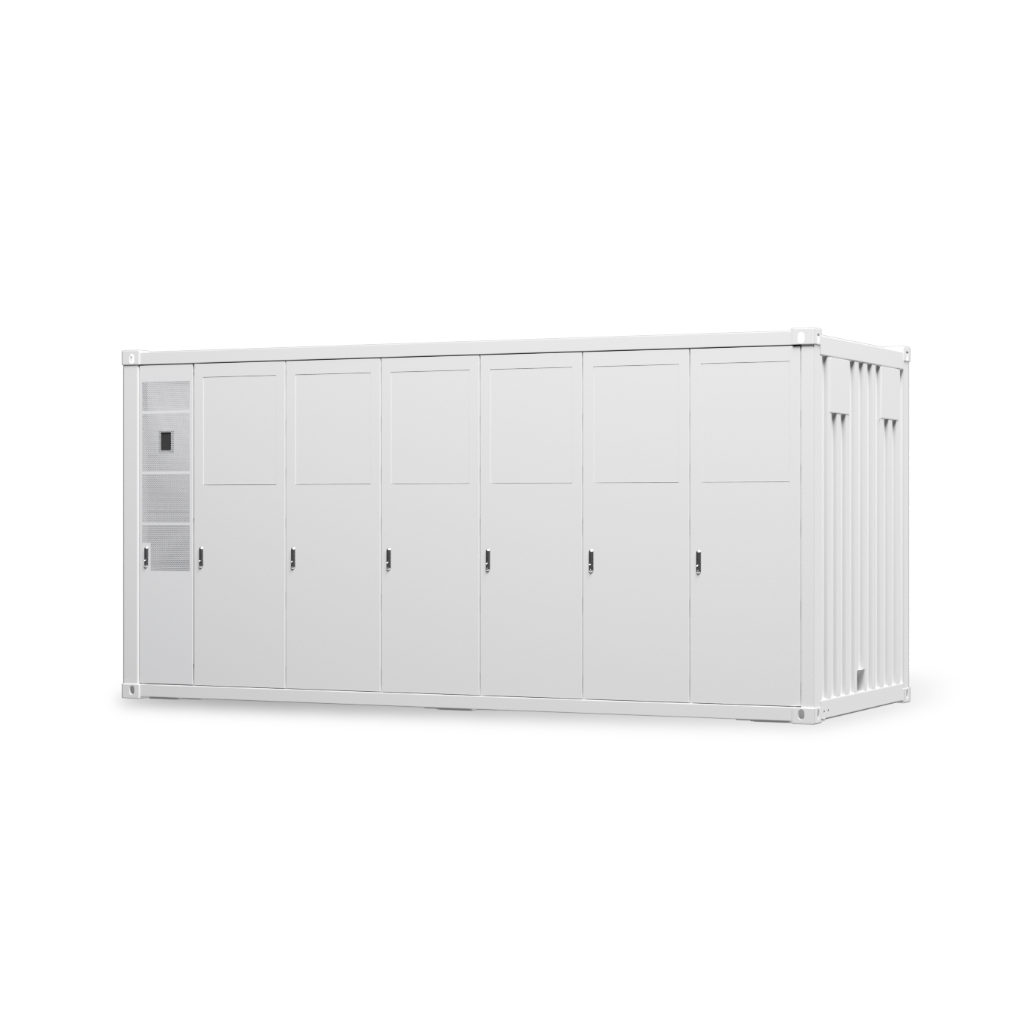
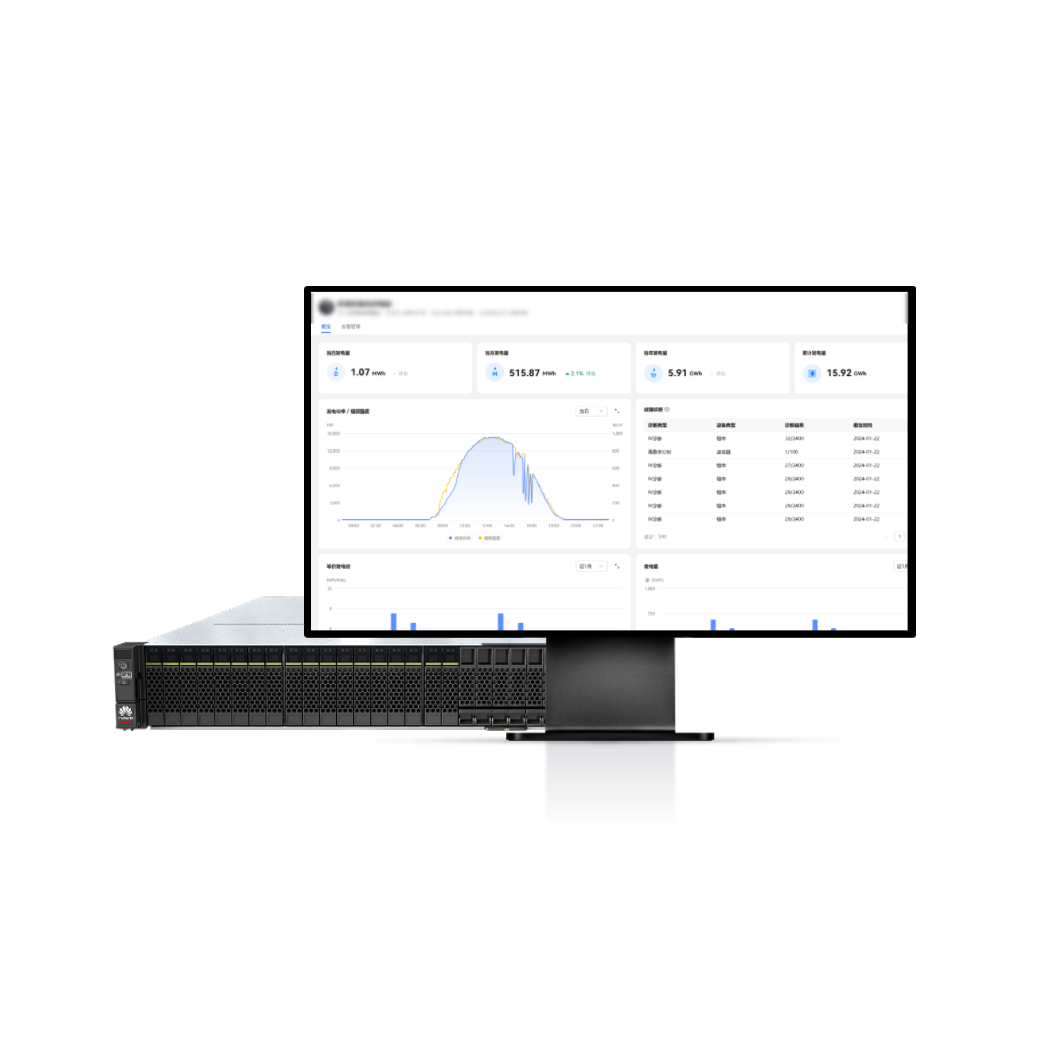
To cope with the preceding challenges, Huawei has launched its innovative Grid-Forming Smart Renewable
Energy Generator Solution by leveraging its expertise in PV, energy storage, and particularly, grid-forming
technologies. The Grid-Forming Smart Renewable Energy Generator Solution increases the proportion of
new energy access by 40%, redefines voltage, frequency and phase angle stability, and ensures safe &
reliability. It is a comprehensive digitalization that integrates digital and power electronics
technologies to realize the comprehensive digitalization of power plants.
Dr. Xin Yaozhong, President of Industrial Control Systems Industry Alliance, Chief Expert of China
Electricity Council, Former Deputy Director of National Power Dispatching Control Center of State Grid
Corporation of China, delivered a keynote speech entitled "New Power System Operation Control". According to
Dr. Xin, achieving net-zero carbon emissions differs from zero carbon, as various industries require
different carbon levels; for instance, the industry needs low carbon, while agriculture needs high carbon.
Renewable energy and power electronics have matured significantly and should play a greater role in system
balance adjustment. If nuclear fusion technology cannot break through, a global grid should be established
within the next 100 years to promote the development of renewable energy and ensure a sustainable future for
humanity.
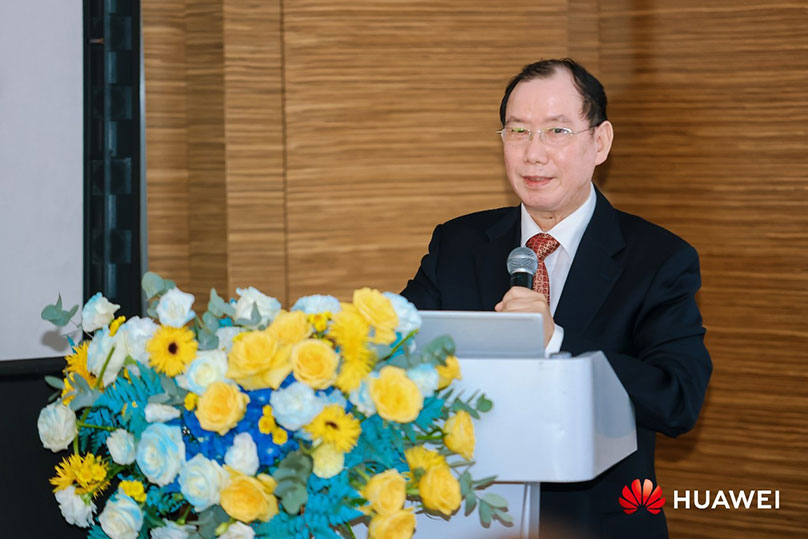
Figure 4: Dr. Xin Yaozhong, President of Industrial Control Systems Industry Alliance, Chief Expert
of China Electricity Council, Former Deputy Director of National Power Dispatching Control Center of
State Grid Corporation of China, delivered a keynote speech entitled "New Power System Operation
Control".
Red Sea Project: World's Largest 1.3 GWh Micro-grid Infrastructure Construction in Saudi
Arabia
As the world's first GWh-level microgrid project, it features 400 MW PV and 1.3 GWh energy storage. Huawei
provides a modular and pre-integrated microgrid energy storage solution, assisting in project preparation,
planning, implementation, and field experiment design to ensure rapid deployment. con leveraging Huawei's
expertise in design, simulation, and microgrid testing platforms. Huawei has supported customers in logic
design and simulation for the past two years, covering PV+ESS grid-forming, power grid SCR design, energy
distribution logic, power grid stability control, transient state management, primary and secondary voltage
and frequency regulation, dynamic voltage regulation for PV/BESS/SVG, post-load shedding frequency and
voltage control, synchronous black start for over 1000 PCSs, collaborative multi-switching in the power
grid, and synchronous/asynchronous operation. These capabilities have been validated in real-world
environments to achieve stable operational goals.
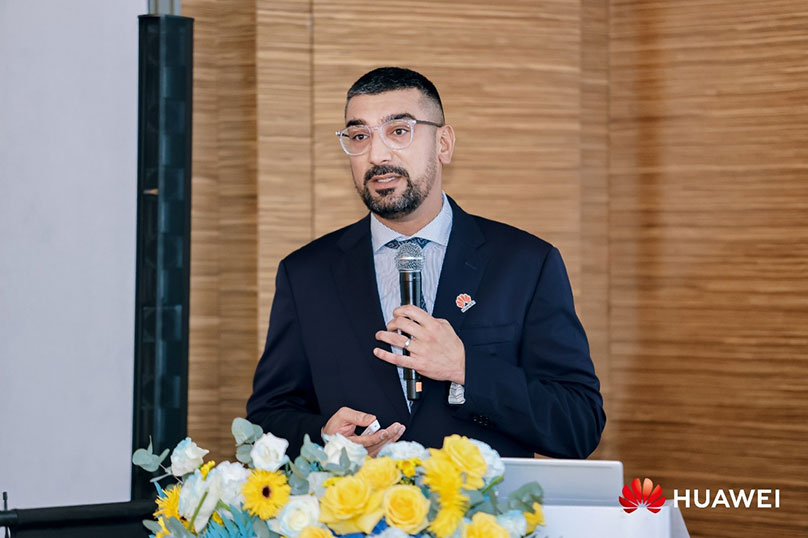
Figure 5: Rizwan Razaq, Huawei Digital Power Smart PV CTO of Middle East, has shared valuable
insights and analyze on the world's first GWh-level microgrid project in Saudi Arabia
We are delighted to have had the esteemed participation of all keynote speakers at the event, who
highlighted the latest trends, challenges, and requirements in the APAC Region. These included Mr. Anawach
Wetwatana, Power System Engineer of Power System Analysis Section, Control and Protection System Division at
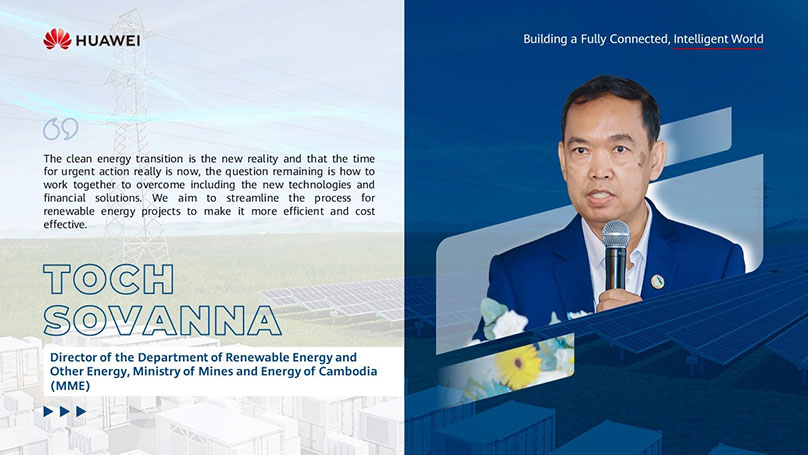
Electricity Generating Authority of Thailand; Mr. Toch Sovanna, Director of the Department of Renewable
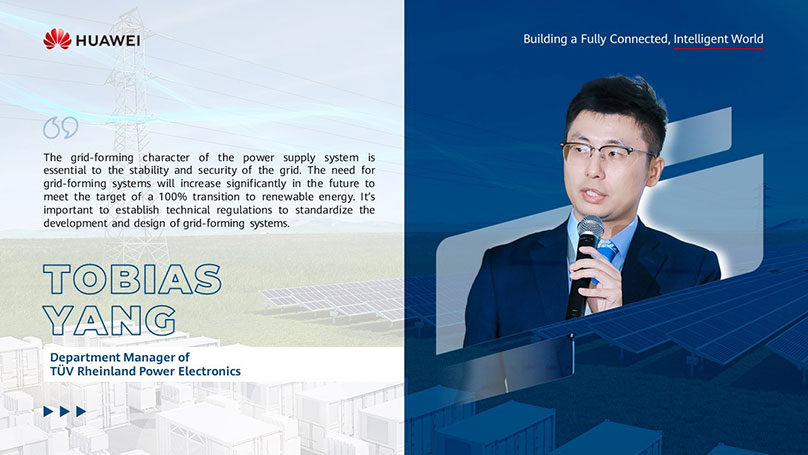
Energy and Other Energy at the Ministry of Mines and Energy, Cambodia; Tobias Yang, Department Manager at
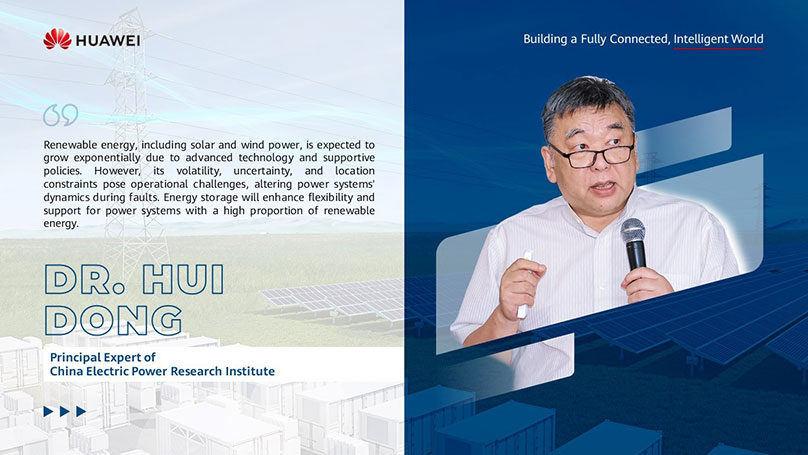
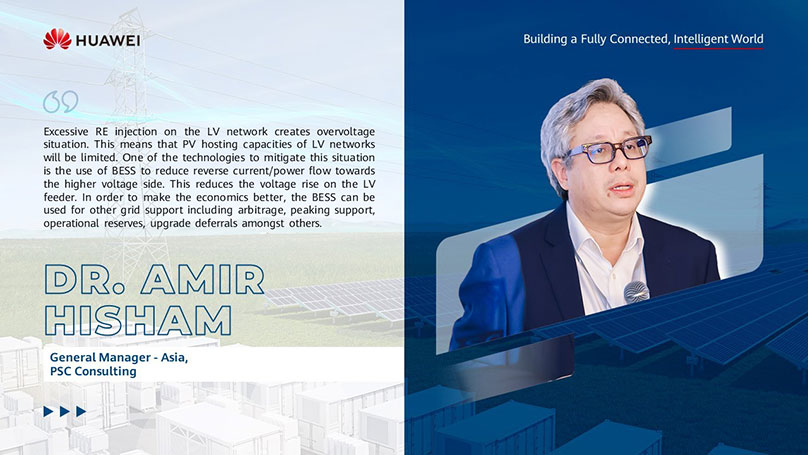
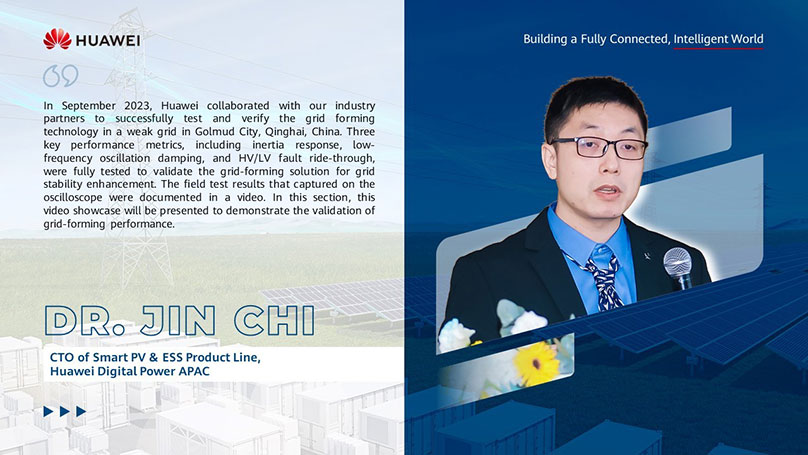
TÜV Rheinland Power Electronics; Dr. Amir Hisham Bin Hashim, General Manager of Asia PSC Consulting; Dr. Jin
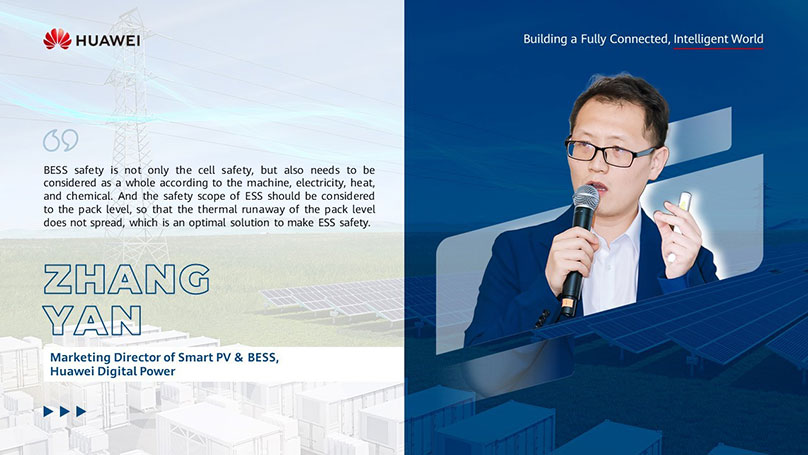
Chi, CTO of Smart PV & ESS Product Line at Huawei APAC Digital Power; Dr. Huidong, Principal Expert at
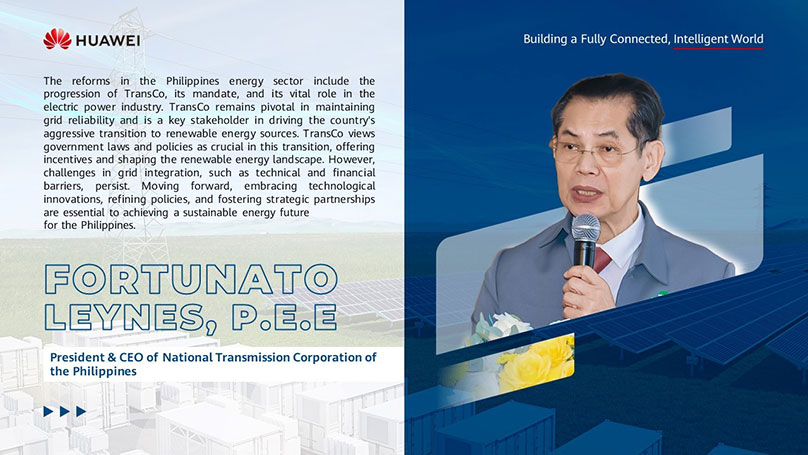
the China Electric Power Research Institute; Zhangyan, Huawei Digital Power BESS Solution Expert; Fortunato
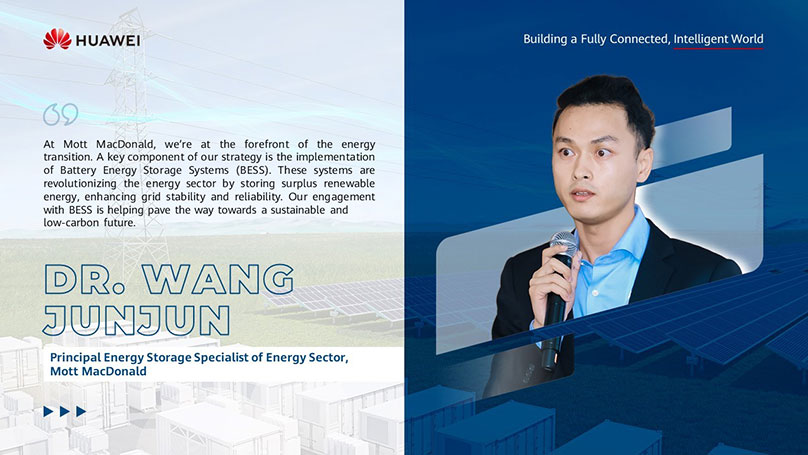
Leynes, P.E.E, President & CEO of National Transmission Corporation of the Philippines; Dr. Wang Junjun,
Principal Energy Storage Specialist at Energy Sector, Mott MacDonald.
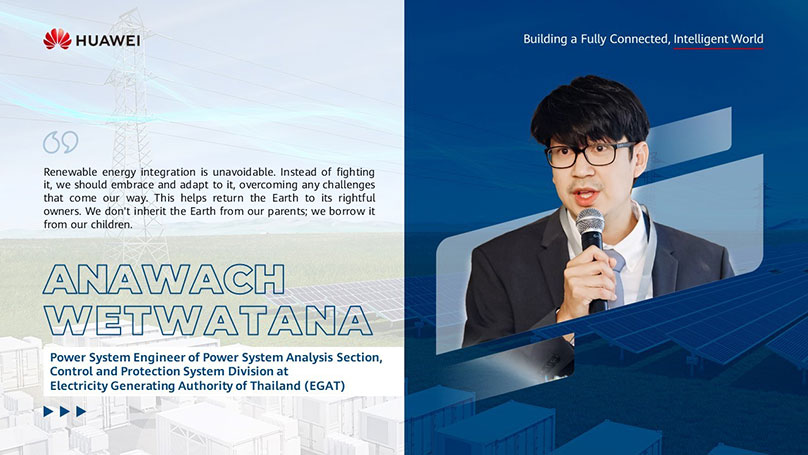
Lastly, the event concluded with Chen Yong, President of Huawei APAC Digital Power Smart PV & ESS
Business, delivering closing remarks. He emphasized the project's strategic importance and Huawei's
dedication to enhancing grid stability and integrating renewable energy. The successful validation of these
capabilities in real-world environments underscores Huawei's leadership in advancing sustainable energy
solutions.
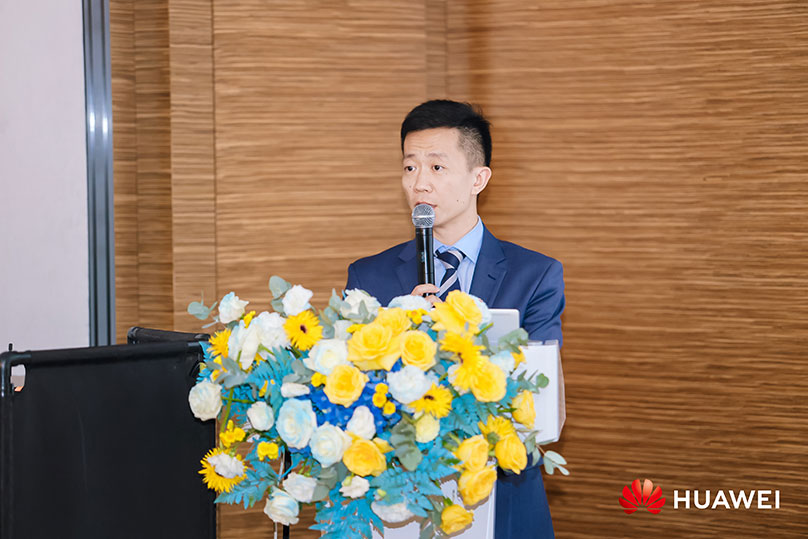
Figure 6: Chen Yong, President of Huawei APAC Digital Power Smart PV & ESS Business, delivering
closing remarks
Looking ahead, Huawei Digital Power is dedicated to continuous innovation and collaboration with customers
and partners. Together, we are driving the development of grid-friendly technologies and accelerating the
green and low-carbon transition of the energy structure in the region. This collective effort aims to build
a new power system centered on renewable energy, contributing to a sustainable and resilient future.