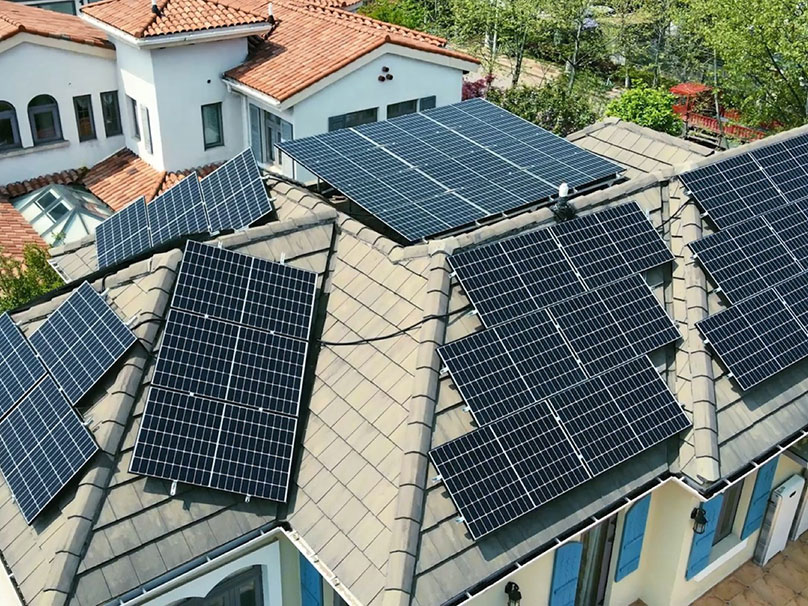
Selecting the optimal solar system size is not just about enhancing energy efficiency—it's a vital step in
tailoring your energy solution to meet your unique requirements. This guide demystifies the concept of solar
system sizing, providing you with the essential knowledge needed to make an informed decision, from
exploring the standard system sizes, and practical steps for accurate determination, to key factors that
affect output. This article serves as your comprehensive roadmap to navigating the intricacies of solar
system sizing, ensuring your energy needs are met with precision and sustainability.
Common Solar System Sizes
In South Africa, the wide variety of solar system sizes caters to a broad spectrum of energy needs, making
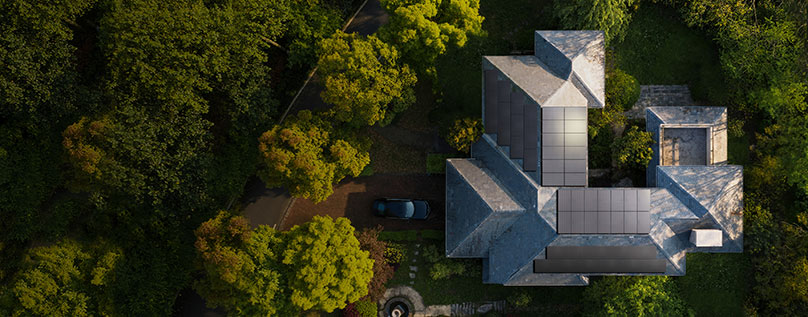
solar power a versatile choice for both households and businesses. Typically, residential setups vary from
small-scale systems of around 1–3 kW, suitable for low-energy households, to more robust systems within the
average home solar system size range of 5–10 kW for larger homes with greater energy demands. For businesses
and industrial applications, systems can escalate significantly, starting from 10 kW and extending beyond
100 kW, depending on operational requirements. This scalability ensures that solar power is accessible and
adaptable, providing a sustainable energy solution that can be customized to meet specific energy
consumption patterns.
How to Determine the Size of Your Solar System
Determining the optimal size for your solar system is a critical step towards achieving energy independence
and reducing your carbon footprint. Here's a comprehensive guide to help you accurately determine the size
of your solar system:
1. Assess Your Energy Consumption: The first step is to understand your household's average
energy usage. Examine past electricity bills to calculate your monthly energy consumption in kilowatt-hours
(kWh). This figure provides a baseline for the size of solar system you'll need for your home.
2. Understand Peak Sunlight Hours: The amount of solar energy your panels can generate
depends significantly on the peak sunlight hours in your location. South Africa is fortunate to have an
average of 4.5 to 6.5 peak sunlight hours per day, making it an ideal region for solar power. Use local
solar insolation maps to find the average peak sunlight hours for your specific area.
3. Efficiency of Solar Panels: Solar panel efficiency plays a crucial role in how much
energy your system can produce. Higher efficiency panels generate more power per square meter, allowing for
a smaller-size solar system if space is a concern. Consider the efficiency ratings of available panels and
how they impact your system's overall size and output.
4. Future Energy Needs: While current energy usage is a crucial factor, it's also
important to consider any anticipated changes in your energy consumption. Whether you plan to expand your
home, purchase an electric vehicle, or anticipate an increase in energy needs, factor in these
considerations to ensure your solar system can accommodate future demands.
5. Shading and Installation Site: Examine the proposed installation site for potential
shading from trees, buildings, or other obstacles. Shading can significantly reduce the efficiency and
output of your solar panels. Choose a location with minimal shading to maximize your system's energy
production.
Calculation example:
To calculate the size of the solar system needed, we can use the information from the steps above in this
example below:
Current monthly energy needs: 600 kWh
Future additional monthly energy needs (e.g., for an electric vehicle): 200 kWh
Total future monthly energy needs: 800 kWh
Average peak sunlight hours in Johannesburg: 5.5 hours
Using the formula:
Considering system inefficiencies and potential future increases in energy consumption, the recommended
solar system size would be a 5 kW system.
Factors Affecting Solar System Output
The performance and effectiveness of the size of a solar system can be influenced by several factors that
either enhance or impede its ability to generate electricity. Understanding these factors is crucial for
maximizing the output of your solar installation.
● Geographic Location: The amount of sunlight your area receives is perhaps the most significant factor
affecting your solar system’s output. Sunlight intensity varies greatly depending on geographic location.
For example, locations closer to the equator typically receive more intense and direct sunlight compared to
those further north or south. This variation directly impacts the amount of energy your panels can generate.
● Panel Orientation and Tilt: The positioning of your solar panels plays a critical role in their
efficiency. The orientation (the direction the panels face) and tilt (the angle at which they are set)
should ideally be optimized to capture the maximum amount of sunlight. In the northern hemisphere, solar
panels typically perform best when facing south at an angle that equals the latitude of the location.
● Shading: Shading from trees, buildings, and other structures can significantly reduce the output of your
solar panels. Even partial shading can affect the efficiency of a solar panel. It’s important to consider
the path of the sun throughout the day and seasonally to minimize the impact of shadows cast on the panels.
● Local Weather Conditions: Weather is another critical factor in the overall performance of a solar system.
Locations with high levels of sunlight and minimal cloud cover naturally allow for higher energy production.
Conversely, areas that experience many cloudy, rainy, or snowy days will see a decrease in solar output.
Understanding your local weather patterns can help in planning the optimal configuration for your solar
system, ensuring it is as productive as possible throughout the year.
Conclusion
Determining the optimal solar system size for your needs is a critical step towards achieving energy
efficiency and sustainability. By understanding common system sizes, assessing your unique energy
requirements, and considering the various factors that influence solar output, you can make an informed
decision tailored to your situation. FusionSolar offers cutting-edge solutions that cater to these needs,
empowering you to harness the sun's power more effectively. Embrace the potential of solar energy with
FusionSolar and start your journey towards optimizing your solar system size for a greener, more sustainable
future.
FAQ
Here are some frequently asked questions about solar system size.
Can Too Much Sun Damage Solar Panels?
While solar panels are designed to absorb sunlight, excessive heat can potentially reduce their efficiency.
However, modern solar panels are built to withstand most weather conditions, including extreme sunlight.
Damage is more likely in extreme and prolonged heat situations without proper ventilation or cooling
mechanisms.
Do Solar Panels Work in Winter?
Yes, solar panels do work in winter. Their efficiency hinges on sunlight exposure rather than temperature.
Snow can reflect light and potentially increase performance. However, accumulation on panels can obstruct
light, reducing output.
Is 4 kW Enough to Power a House?
A 4 kW solar system can be sufficient for a small household with moderate energy consumption, but actual
power needs vary widely depending on the size of the home and the appliances used. Assessing your specific
energy usage is key to determining if a 4 kW system is adequate.