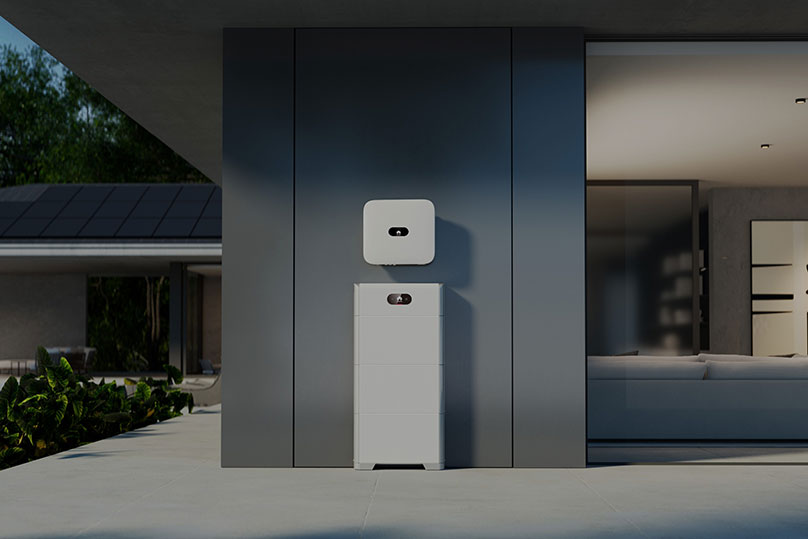
An inverter plays an indispensable role in converting energy generated by solar panels into usable
electricity. That's why knowing when and how to replace your solar inverter is important. In this article,
we'll guide you through the process of solar inverter replacement, including the cost, timing, and factors
that influence this decision. We'll also highlight the importance of choosing a reliable manufacturer to
ensure that you get the most out of your solar energy experience.
What Is a Solar Inverter?
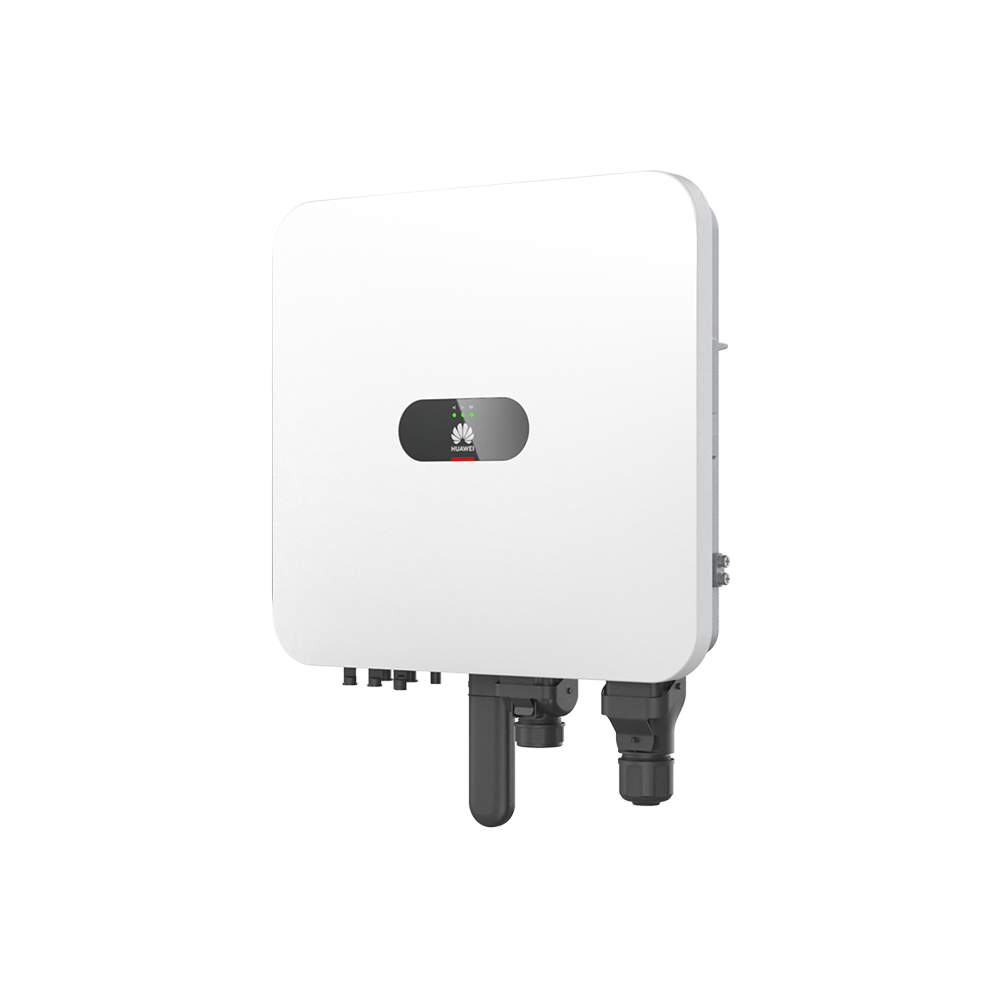
A solar inverter is vital to a solar photovoltaic (PV) system. Its primary function is to convert the direct
current (DC) output generated by the solar panels into alternating current (AC) that is suitable for use by
a local, off-grid electrical network and/or can be fed into a commercial electrical grid. It is a critical
bridge between the solar panels and the systems that consume the energy produced. Generally boasting a
conversion efficiency range between 93% and 99%, the solar inverter's performance directly impacts the
overall efficiency and function of a solar power system.
When Does a Solar Inverter Need to Be Replaced?
The need for solar inverter replacement is typically signaled by a decrease in the energy output of a solar
PV system or operational issues that indicate inefficiency or failure. While most inverters have a lifespan
of about 5 to 10 years, their longevity can be extended up to 15 years with high-quality equipment and
regular maintenance. On the other hand, cheaper or poorly maintained units may only last around 5 years.
It's important to perform health checks on the inverter before making conclusions, as decreasing
productivity may also be due to degradation in other parts of the system. A decline in efficiency or
outright failure necessitates a replacement, and users must consider compatibility, as different inverters
might have unique AC/DC connectors, which could make switching brands a more complicated and expensive
process.
Estimated Cost of Replacing a Solar Inverter
How much does it cost to replace a solar inverter? Here's an estimated replacement cost for a solar
inverter:
String Inverters
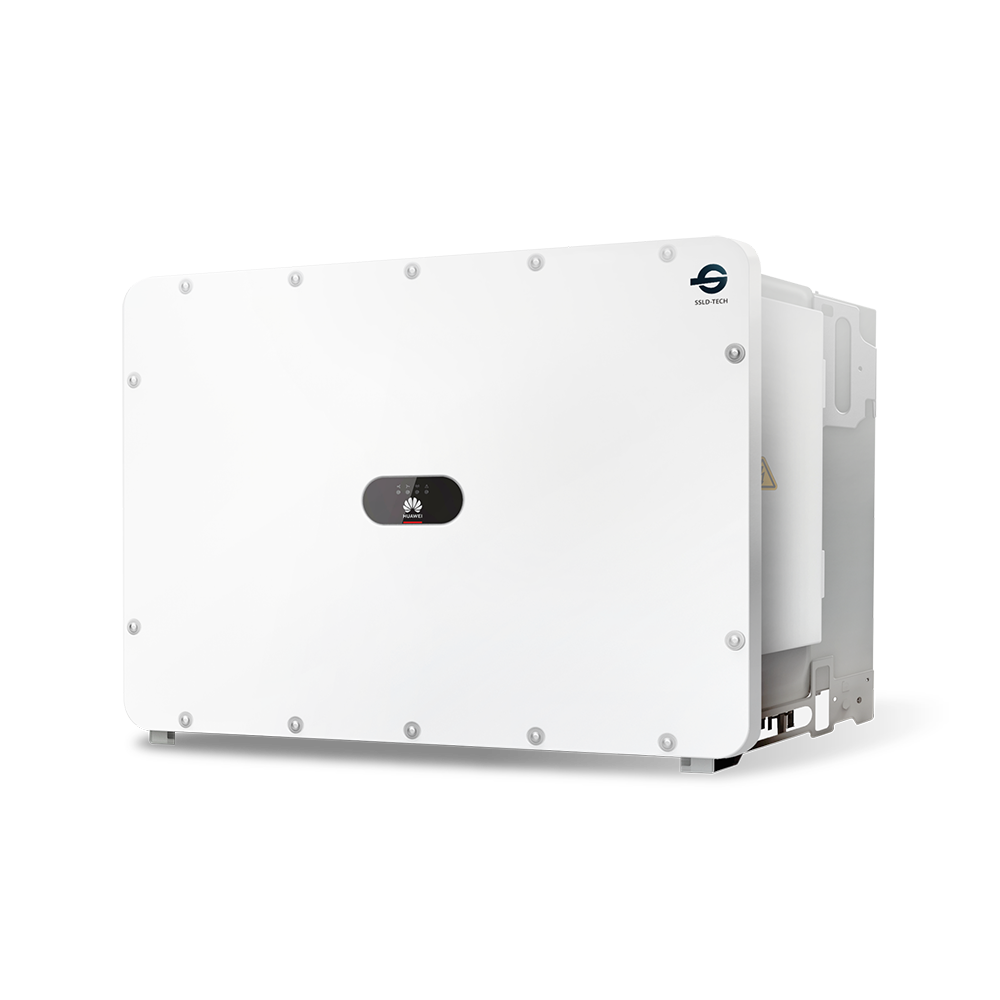
String inverters are the more affordable option for PV system owners to consider. This type of inverter
operates by gathering DC from a sequence of solar panels, known as a 'string'. The solar inverter
replacement cost generally ranges from R10,000 to R30,000. Even though they are more cost-effective upfront,
their only downfall is overreliance on the string's weakest panel, meaning one poorly performing panel can
affect the entire string's efficiency. A typical warranty lasts 5 to 10 years, which is shorter than the
solar panels themselves, indicating that at least one replacement will be necessary during the solar
system's lifespan.
Micro Inverters
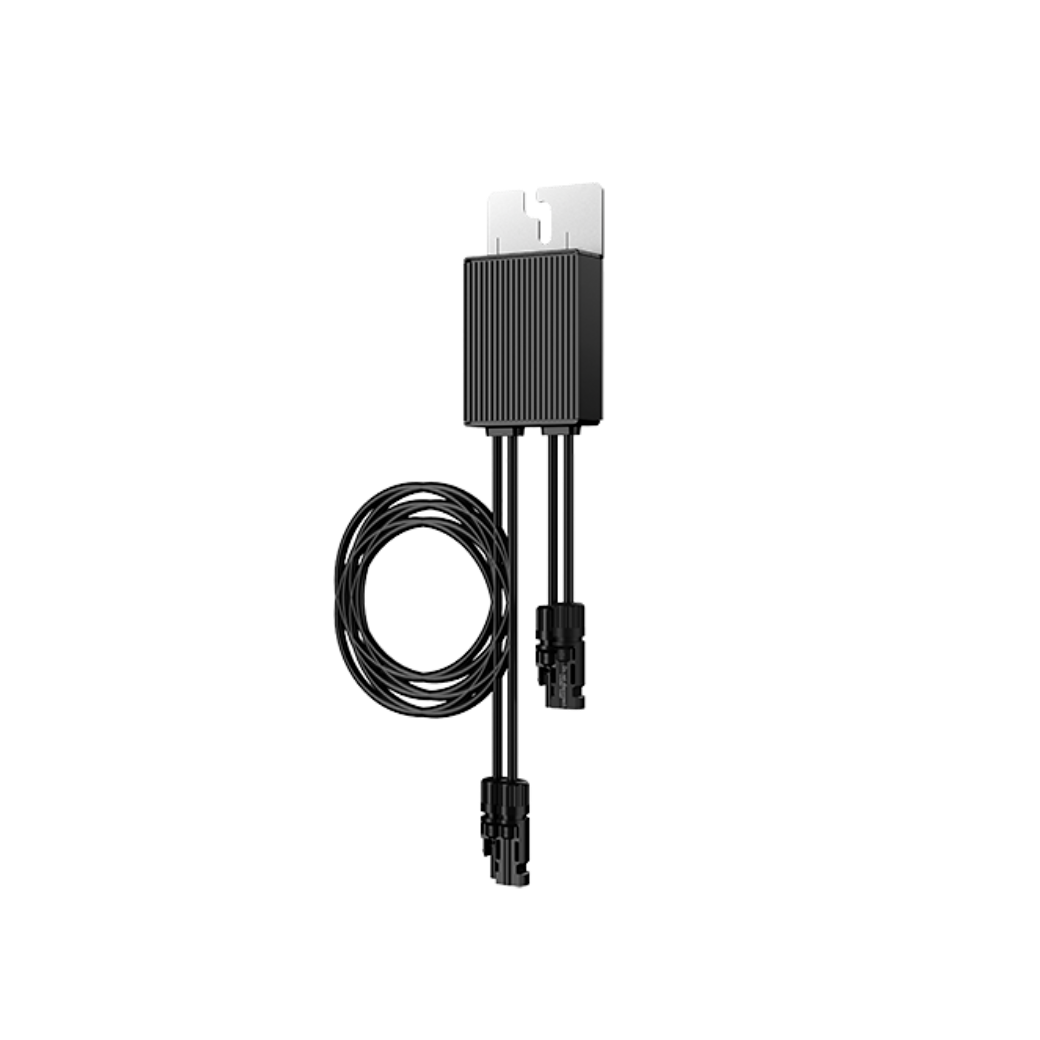
Micro inverters, on the other hand, present a different financial and technical picture. With costs ranging
from R400 to R2,000 per unit, the total solar inverter replacement cost could exceed R50,500 when
installation aspects such as wiring are included, based on an average South Africa system with about 15
panels. They are installed directly behind individual solar panels, allowing each panel to operate
independently, which enhances system performance, particularly in shaded conditions and reduces the impact
of a single panel's failure. The heightened cost of solar inverter replacement reflects both the
technology's modularity, which offers space-saving benefits and a longer life expectancy. Sometimes, it can
reach up to 25 years, with warranties typically stretching from 15 to 25 years. Despite the higher upfront
expenditure, micro inverters' long-term reliability and independence can justify the investment.
Factors Affecting Solar Inverter Replacement Costs
Here are some factors that can impact the cost of replacing a solar inverter:
Solar Inverter Dimensions
The dimensions of a solar inverter can significantly influence the replacement cost. Due to the increased
use of materials and components, bigger inverters typically translate to higher costs. Additionally, larger
inverters may demand sturdier mounting structures and possibly more complex installation measures, adding to
the cost factor.
Types of Solar Inverters
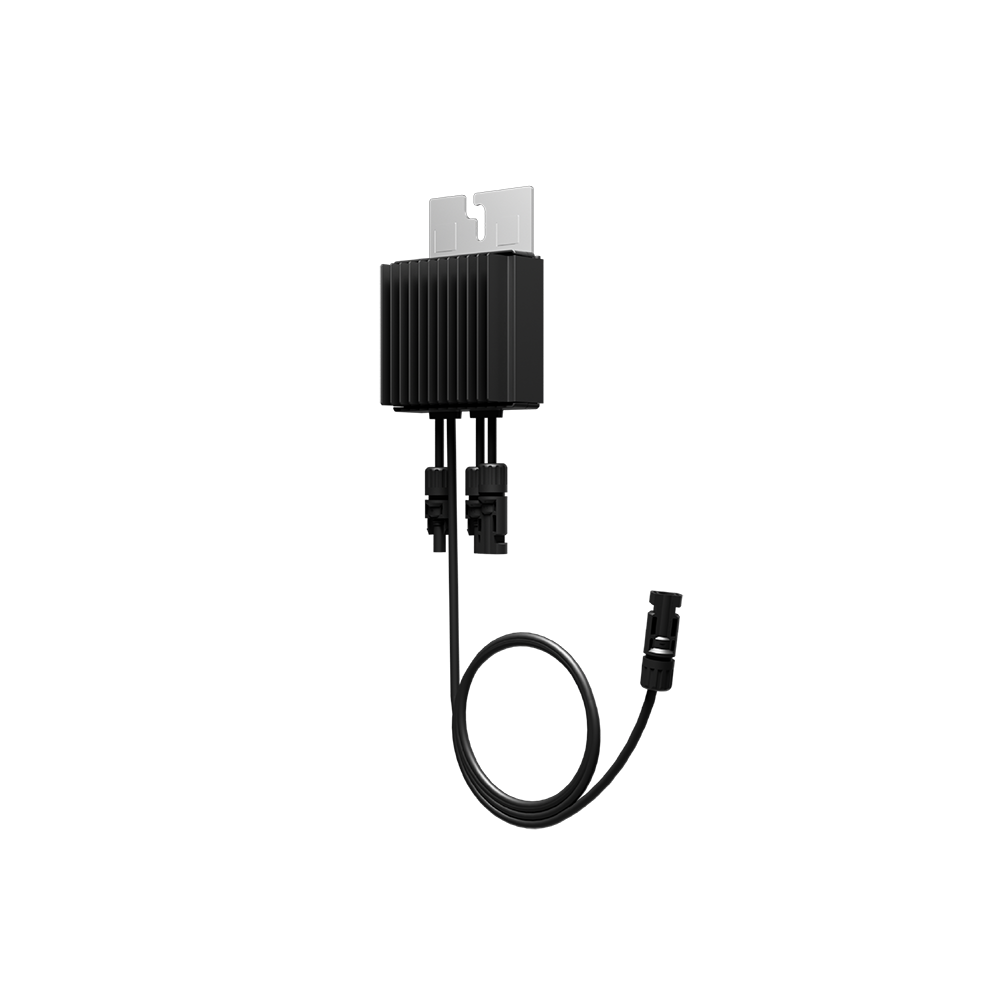
There are various types of solar inverters, including string inverters, micro inverters, and power
optimizers. Each possesses unique traits and price ranges. String inverters are generally more
cost-effective but less efficient; micro inverters and power optimizers are pricier but offer higher
efficiency and functionality.
Labor Costs in Your Region
Labor costs are a key determinant of the overall replacement cost. These costs vary significantly from
region to region and can be influenced by factors such as local labor rates, the difficulty level of the
job, and the time it takes to complete the replacement.
Warranty
Warranty terms may offset some replacement costs. If your solar inverter is under warranty, the manufacturer
could cover the replacement cost, either partially or in full. The type of warranty (limited/full), its
coverage time, and the parts covered significantly impact your potential out-of-pocket expenses. Make sure
to review your warranty conditions thoroughly before embarking on the replacement process.
How to Choose a Reliable Solar Inverter Manufacturer?
When choosing a reliable solar inverter manufacturer, consider the following aspects:
1. Quality: Look for a reliable manufacturer that provides quality inverters. Research
whether the inverter conversion efficiency meets industry standards. A higher conversion efficiency means
greater solar system performance.
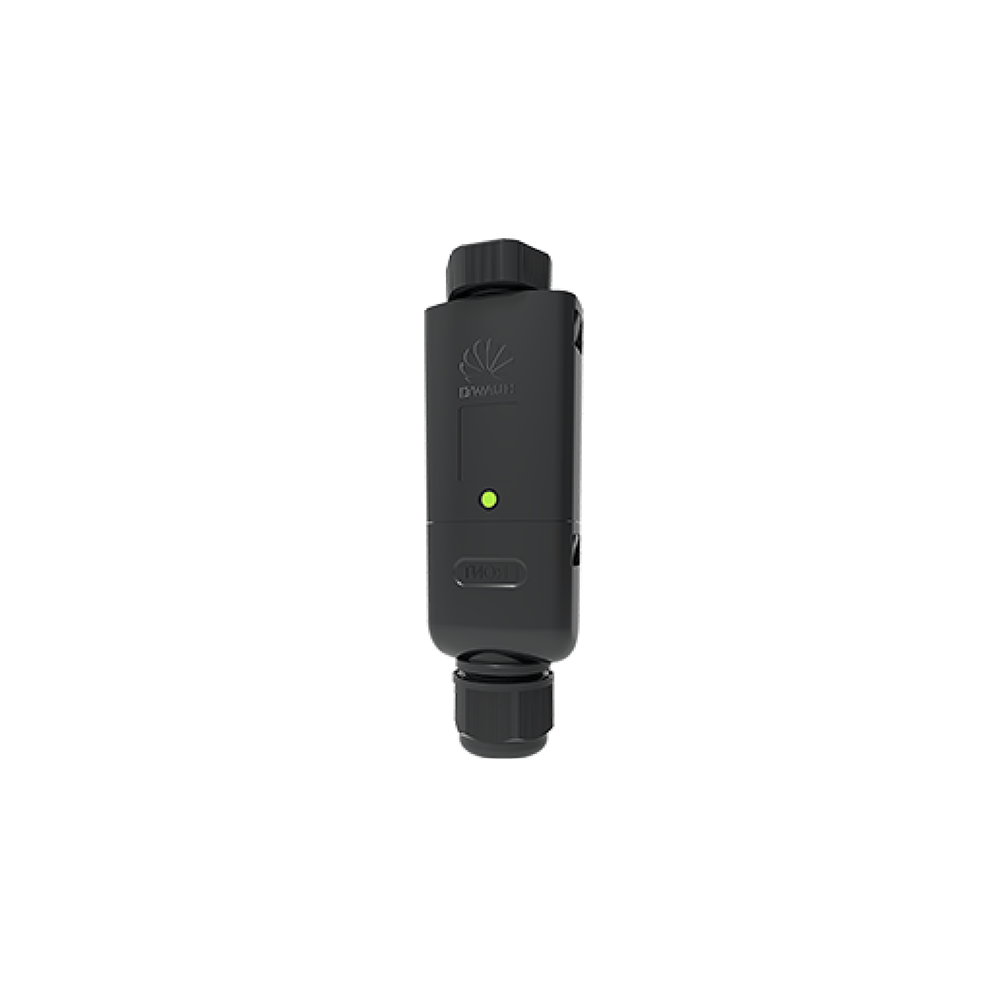
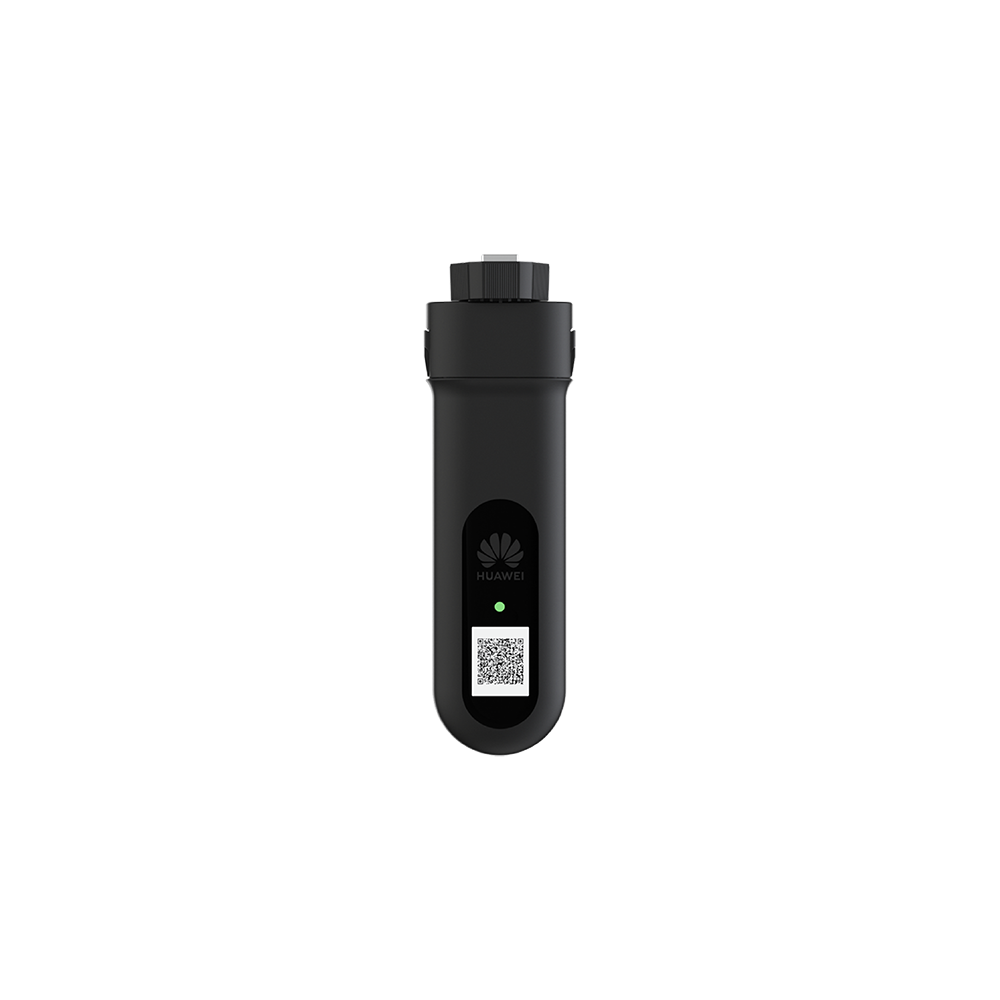
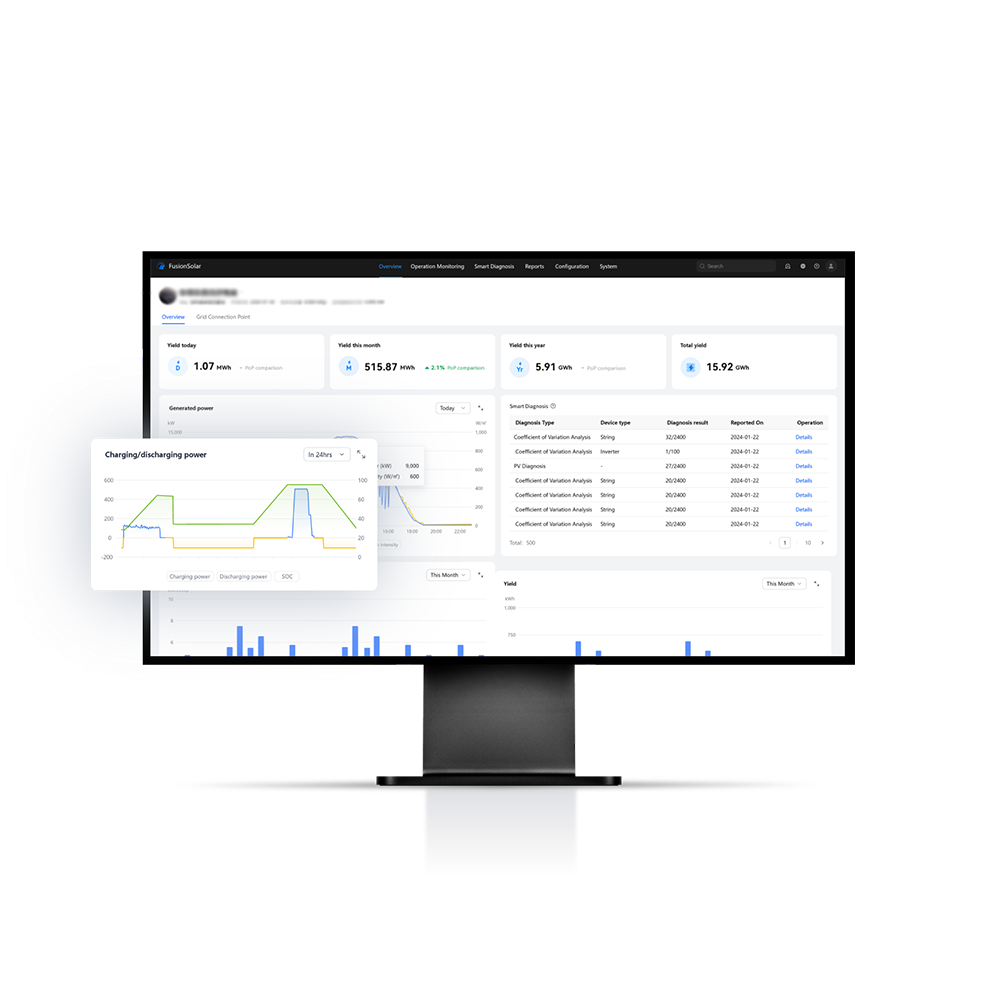
2. Features: Consider smart features such as Wi-Fi enablement for wireless connection to a
monitoring system. It provides real-time data of your solar energy usage and system health.
3. Warranty: Look for a warranty term that covers the expected lifespan of the solar
inverter, which is typically 10–15 years. This provides insurance against future issues.
4. Aftersales Service & Support: Investigate the manufacturer's reputation for aftersales
service and customer support, as these services are crucial to properly maintain your solar system.
In applying these criteria to evaluate solar inverter manufacturers, one standout option is FusionSolar.
Notably recognized for high conversion efficiency, our products also boast advanced features like Wi-Fi
connectivity for effortless tracking of solar energy usage and system health. Additionally, our inverters
come with a competitive warranty period aligning with industry standards, ensuring long-term reliability.
Moreover, FusionSolar's commitment to exceptional aftersales service and customer support further enhances
our appeal, making us a compelling choice for those seeking a dependable solar inverter solution.
Conclusion
Solar inverter replacement is crucial for maintaining a highly efficient solar installation. Don't wait
until it's too late! Understanding your inverter's role and recognizing signs of wear and tear can go a long
way toward saving you money on utility bills and contributing to a greener environment. With the right
knowledge and resources, you can wisely decide when to replace your inverter and take advantage of the
opportunity to upgrade your energy system.
FAQ
Here are some frequently asked questions on solar inverter replacement.
Can I Replace My Own Solar Inverter?
Yes, you can replace your own solar inverter if you possess the necessary technical knowledge, skills in
electrical systems, and follow the safety protocols. However, it's worth noting that working with electrical
equipment can be dangerous, so it is often recommended that a qualified electrician or a certified solar
technician carry out the replacement to ensure it is done safely and in compliance with local regulations
and warranty requirements.
How Long Does It Take to Replace a Solar Inverter?
Replacing a solar inverter can typically take a few hours (1–2 hours). The exact time depends on the
complexity of the system, the inverter's accessibility, and whether any additional updates to the system are
required. An experienced technician can complete the process more quickly, while a less experienced
individual may need additional time to ensure a safe and proper replacement.
What Is the Life Expectancy of a Solar Inverter?
The life expectancy of a solar inverter is generally around 10 to 15 years, which is shorter than the
lifespan of solar panels themselves. This disparity is primarily due to the inverter's continuous operation
and its conversion of variable direct current (DC) to alternating current (AC), which causes wear and tear
over time. Regular maintenance can help extend an inverter's lifespan, but it will likely need to be
replaced at least once during the overall lifecycle of a solar panel system.